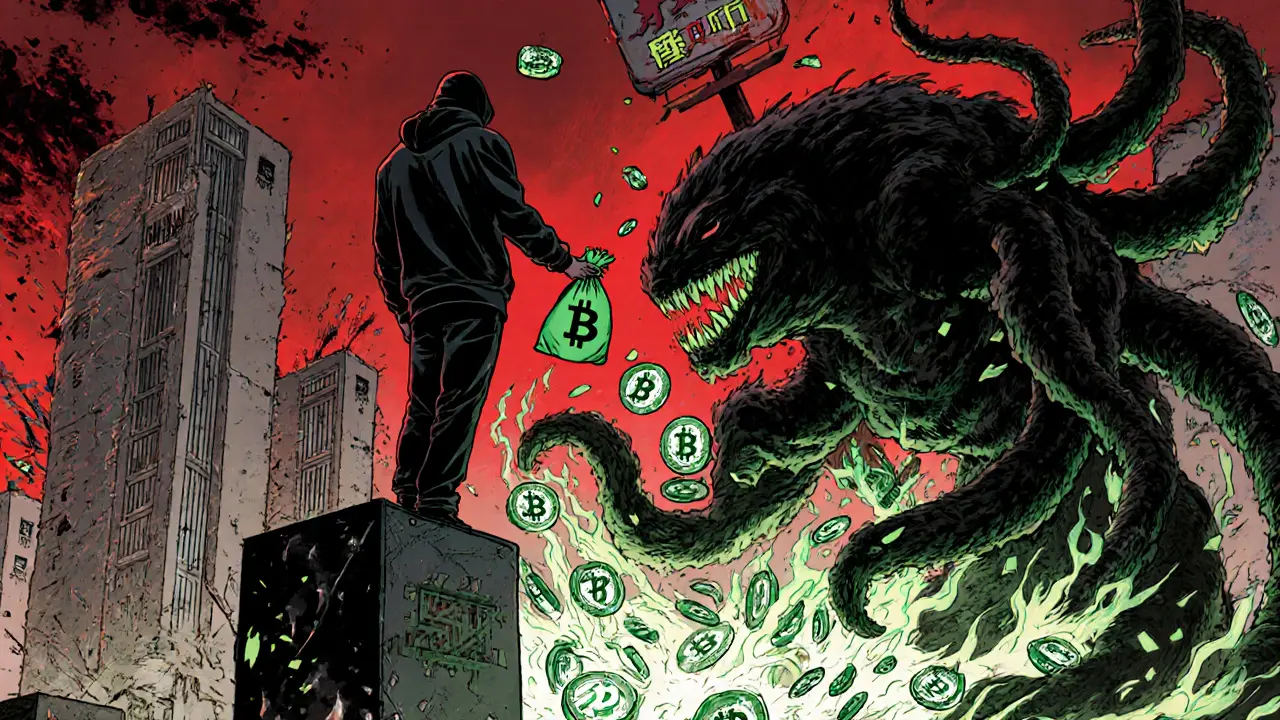
Crypto Tumblers: How They Work and Why People Use Them
When you send crypto tumblers, services that mix cryptocurrency transactions to hide their origin and destination. Also known as Bitcoin mixers, they act like a laundry service for digital money—taking in coins from many users, shuffling them, and sending back different coins to each person. This breaks the public trail on the blockchain, making it harder to trace who sent what. It’s not about hiding illegal activity—it’s about protecting your financial privacy in a system where every transaction is permanently recorded.
People use crypto tumblers for different reasons. Some are privacy-conscious traders who don’t want their spending habits tracked by exchanges or advertisers. Others live in countries with strict capital controls, like Iran or Russia, where using crypto is the only way to move value across borders. In places like Myanmar, where Bitcoin is banned but still used underground, tumblers help people avoid government surveillance. And then there are those who just don’t want their wallet address linked to every purchase they’ve ever made—whether it’s buying coffee with ETH or sending ETH to a friend.
But here’s the catch: crypto tumblers aren’t foolproof. Law enforcement agencies have cracked some of the biggest ones. In 2022, the U.S. Treasury sanctioned a major tumbler after it was used to launder over $1 billion in stolen crypto. And if you use a shady mixer, you might end up with coins that are flagged or blacklisted—making them impossible to cash out later. That’s why some users prefer decentralized mixers like Tornado Cash, which run on smart contracts instead of trusting a company. But even those come with legal risks, especially in the U.S. and EU.
What you’ll find in these posts isn’t a guide on how to use a tumbler—it’s the real stories behind them. You’ll read about exchanges that block known mixer addresses, how whale movements on crypto exchanges can expose mixing activity, and why some memecoins get flagged just because they passed through a mixer. You’ll see how a simple transaction fee calculation can reveal if someone tried to hide their trail. And you’ll learn why platforms like Kraken and Crypto.com now block deposits from addresses linked to tumblers. This isn’t theory. It’s what’s happening right now, in real markets, with real money.