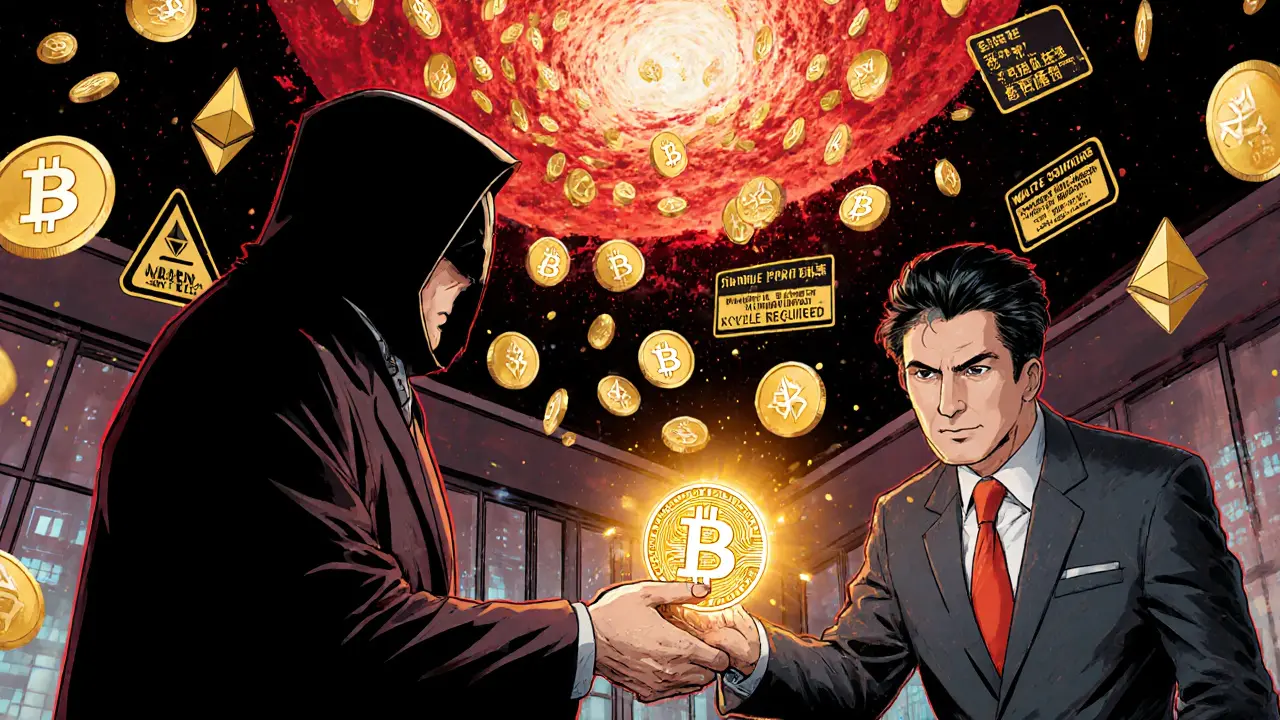
DeFi Security: Protect Your Assets on Decentralized Networks
When you interact with DeFi security, the practices and tools that protect users from hacks, exploits, and scams in decentralized finance. Also known as blockchain security, it’s what stands between your crypto and a hacker who’s already coded a way to drain your wallet. Unlike banks, there’s no customer service to call if something goes wrong. If a smart contract has a flaw, or you click a fake link, your money is gone — forever.
Smart contracts, self-executing code on blockchains that run DeFi apps like lending, trading, and staking are the backbone of DeFi. But they’re not magic. A single line of bad code can cost millions. In 2022, the Poly Network hack lost $610 million because of a vulnerability nobody caught. Most DeFi exploits aren’t about breaking cryptography — they’re about tricking users or exploiting sloppy logic in code. That’s why checking a contract’s audit report isn’t optional — it’s survival.
Crypto scams, fraudulent projects designed to steal funds under false pretenses are everywhere. Fake airdrops, cloned websites, and phishing links disguised as official DeFi dashboards are how most people lose money. Look at the posts below — projects like Lucent and PVC Meta weren’t hacked. People gave their keys away willingly. And in cases like CELT and ZOO Crypto World, users chased phantom airdrops because they didn’t know how real ones work. DeFi security isn’t just about tech — it’s about knowing when to say no.
Your wallet security, how you store and manage your private keys and access to crypto assets matters more than the app you use. A hardware wallet won’t save you if you approve a malicious transaction. A simple mistake — like connecting your wallet to a fake site or signing a permission you don’t understand — can empty your account in seconds. Most DeFi users don’t realize that approving unlimited token spending gives hackers a blank check. Always check the approval amount. Always review the contract address. Always assume everything is a trap until proven otherwise.
DeFi protocols, decentralized platforms offering financial services without intermediaries like BloctoSwap or Stader ETHx can be safe — if you know what you’re doing. But they’re also the front door for scams. A project might look legit because it’s built on Ethereum or Solana. But that doesn’t mean it’s secure. The real test is how long it’s been live, whether the team is doxxed, and whether the community has raised red flags. Look at FRED or VORTEX — no team, no roadmap, no utility. Just a ticker and a hype cycle. DeFi security means asking hard questions before you click "Connect Wallet."
Below, you’ll find real cases — the good, the bad, and the terrifyingly easy to miss. Some posts show how people lost money by trusting fake exchanges. Others explain how to spot a scam airdrop before you sign anything. There’s no magic fix for DeFi security. But there are habits that keep you alive. Learn them here.