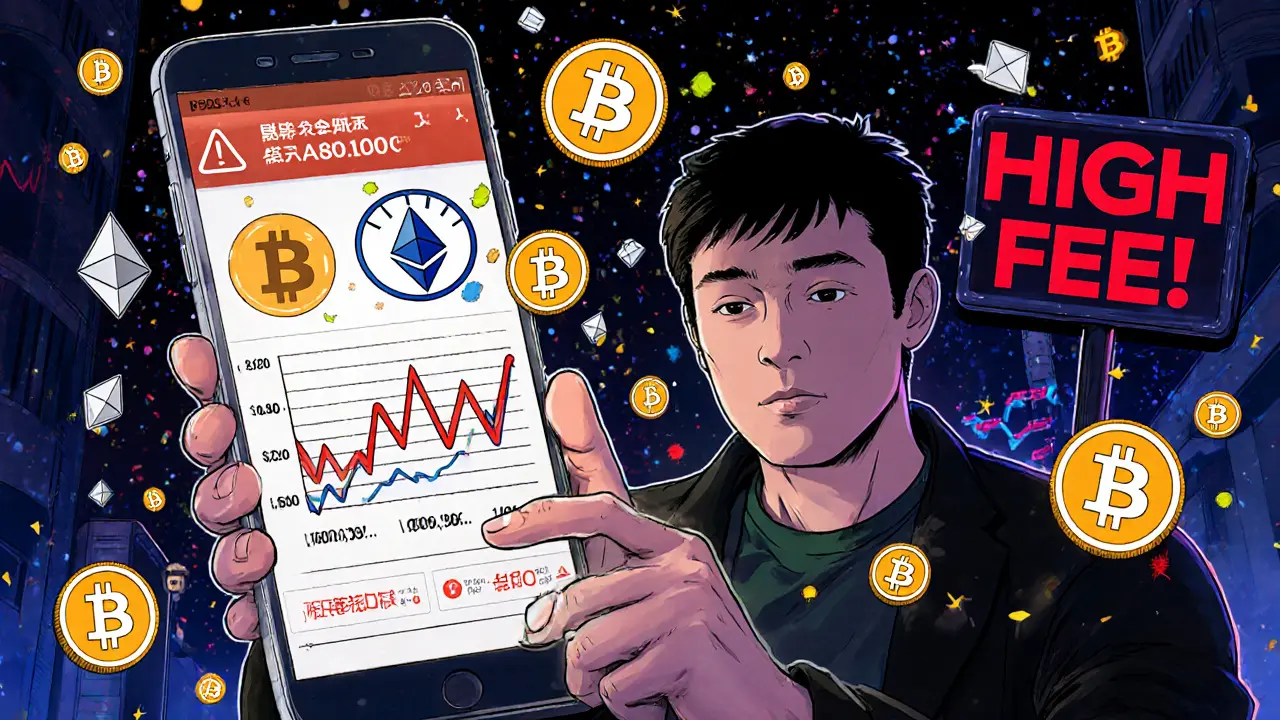
Gas Fees Explained: What They Are, Why They Matter, and How to Save
When you send crypto, swap tokens, or interact with a smart contract, you pay a gas fee, the cost to process your transaction on a blockchain network. Also known as transaction fees, it’s what keeps networks like Ethereum running—miners or validators get paid to confirm your action. Without gas fees, the system would be flooded with spam, and no one would get their transaction done in time.
Gas fees aren’t random. They rise and fall based on how busy the network is. If everyone is trading memecoins or minting NFTs at once, like during the 2021 crypto boom, gas fees spike. You might pay $50 to send $100 worth of ETH. That’s not a glitch—it’s supply and demand. The more people competing for space in the next block, the higher the bid you need to make your transaction go through. On slower chains like Ethereum, this gets expensive fast. On faster ones like Solana or Base, fees stay under $0.01 most of the time. That’s why many users now move their trades to Layer 2s or alternative chains just to avoid the high cost.
It’s not just about speed. Ethereum gas, the specific unit used to measure computational work on Ethereum. Also known as wei, it’s the smallest denomination of ETH used to calculate fees. When you see a fee of 20 gwei, that’s 0.00000002 ETH. Multiply that by the price of ETH, and you get your dollar cost. Tools like Etherscan or DeFi Saver show you real-time gas prices so you don’t guess. You can even schedule transactions for off-peak hours—late at night or early morning—when fewer people are active and fees drop by 70% or more.
Some projects try to fix this with gas-less trading, a feature where a third party pays the fee on your behalf. Also known as sponsorship, it’s used by platforms like Definitive (EDGE) to make DeFi feel more like using a regular app. But that’s not free money—it’s built into their business model. You’re still paying indirectly, either through higher token prices or locked liquidity. The truth? There’s no magic button to eliminate gas fees. They’re the price of decentralization. But you can learn to pay less.
Check your wallet settings before hitting confirm. Many wallets auto-fill gas fees at the highest rate, thinking you want speed. You don’t. If you’re not in a rush, lower it. You might wait 5 extra minutes, but you’ll save $10. That’s a free coffee every week. And if you’re doing regular trades, consider using a chain with low fees. Base, Arbitrum, Polygon—they all handle the same tokens, but cost pennies. You’re not giving up security. You’re just choosing a better highway.
Gas fees aren’t going away. They’re the heartbeat of blockchain. But you don’t have to be the one bleeding cash every time you interact with it. Whether you’re buying a memecoin on Solana, staking ETH on Layer 2, or trading on a DEX, knowing how gas works gives you control. The posts below show you exactly how real users got burned by high fees, how some projects hacked around them, and which networks actually deliver on low-cost transactions. You’ll see what works, what doesn’t, and how to avoid paying more than you have to.