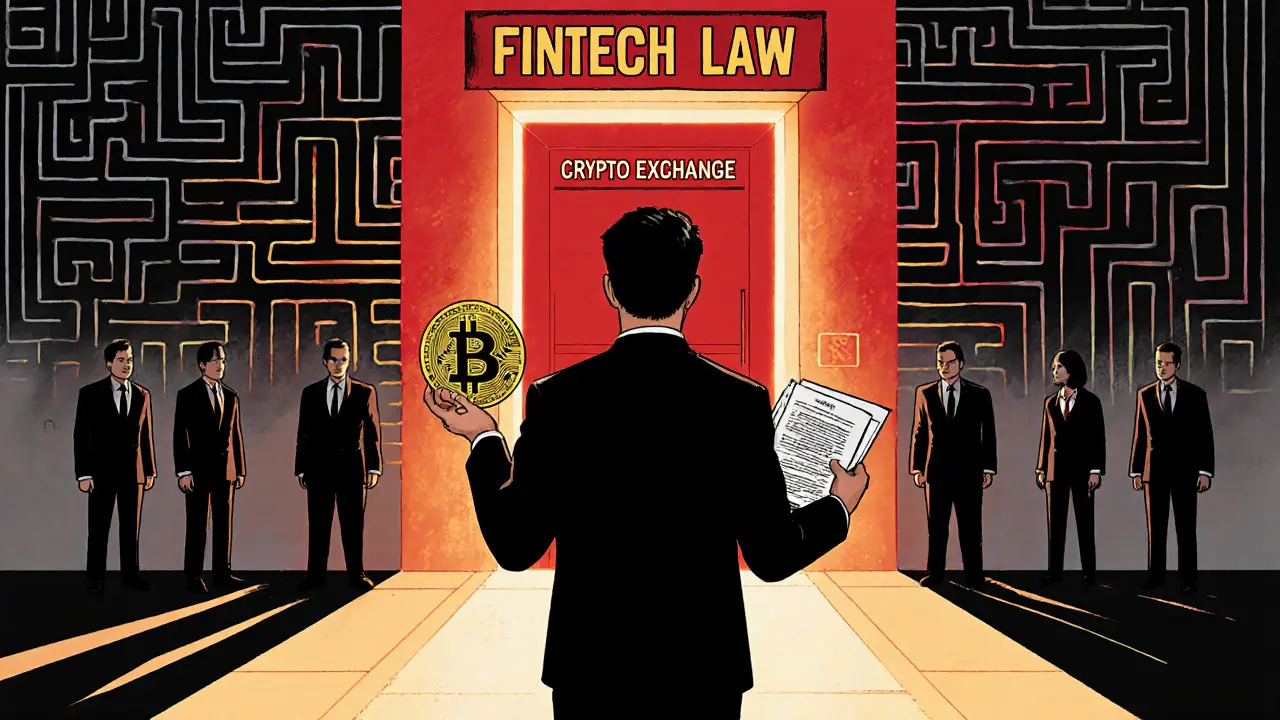
Mexico FinTech Law: What It Means for Crypto, Tokens, and Digital Payments
When Mexico FinTech Law, a 2018 regulatory framework that brought digital financial services under official oversight. Also known as Ley para Regular las Instituciones de Tecnología Financiera, it turned Mexico into one of the first Latin American countries to create clear rules for crypto, digital wallets, and blockchain-based payments. Before this law, the financial system operated in a gray zone—no one knew if a crypto exchange could legally operate, or if a startup could issue a token without risking a government crackdown. Now, the law defines exactly who can offer financial tech services, what licenses they need, and how they must protect users.
The crypto regulation Mexico, the official stance on digital assets under the FinTech Law doesn’t ban cryptocurrency—it just says you can’t use it as legal tender. That means you can buy, sell, and trade Bitcoin or Ethereum, but you can’t pay for your taco with it at a street vendor unless the vendor voluntarily accepts it. What’s regulated are the platforms: exchanges, custodians, and payment processors must register with the Mexican Central Bank and follow strict AML and KYC rules. This is why you’ll see Mexican crypto platforms like Bitso and Binance MX listed as authorized—because they jumped through the legal hoops. It also means unregistered platforms, even if they’re based overseas, can’t legally target Mexican customers.
For users, this law means more protection but also more friction. If you use a licensed exchange, your funds are held in segregated accounts, and the platform must report suspicious activity. But if you try to send crypto to an unlicensed wallet provider, you’re on your own—and if something goes wrong, there’s no legal recourse. The law also opened the door for digital payments Mexico, the use of blockchain-based systems for everyday transactions—like payroll apps, remittances, and even micropayments for digital content. Companies like Uquid and Bitso Pay now offer crypto-to-peso conversion at point-of-sale, helping small businesses accept digital money without the volatility risk.
What’s missing? Clear rules on token sales and DeFi. The law doesn’t mention NFTs, staking rewards, or decentralized protocols. That’s why you’ll see so many Mexican crypto projects launch on foreign chains—Ethereum, Solana, Polygon—where the rules are clearer. It’s also why local airdrops and IDOs are rare: no one wants to risk being labeled a securities issuer without a license. The FinTech Mexico, the ecosystem of regulated digital finance players is growing, but it’s still cautious. Most startups focus on payments and custody—not speculation.
And here’s the real impact: the Mexico FinTech Law didn’t kill crypto—it forced it to grow up. It pushed out the fly-by-night operators and created space for serious players. Now, if you’re using crypto in Mexico, you’re not dodging the law—you’re operating inside it. That’s a big shift from just five years ago. Below, you’ll find real-world examples of how this law affects token launches, exchange operations, and everyday users—no theory, just what’s actually happening on the ground.