C2CX Crypto Exchange Review: What You Need to Know Before Trading
C2CX crypto exchange doesn't exist - it's a scam. Learn how fake exchanges trick users, what real platforms look like, and how to protect your funds from crypto fraud.
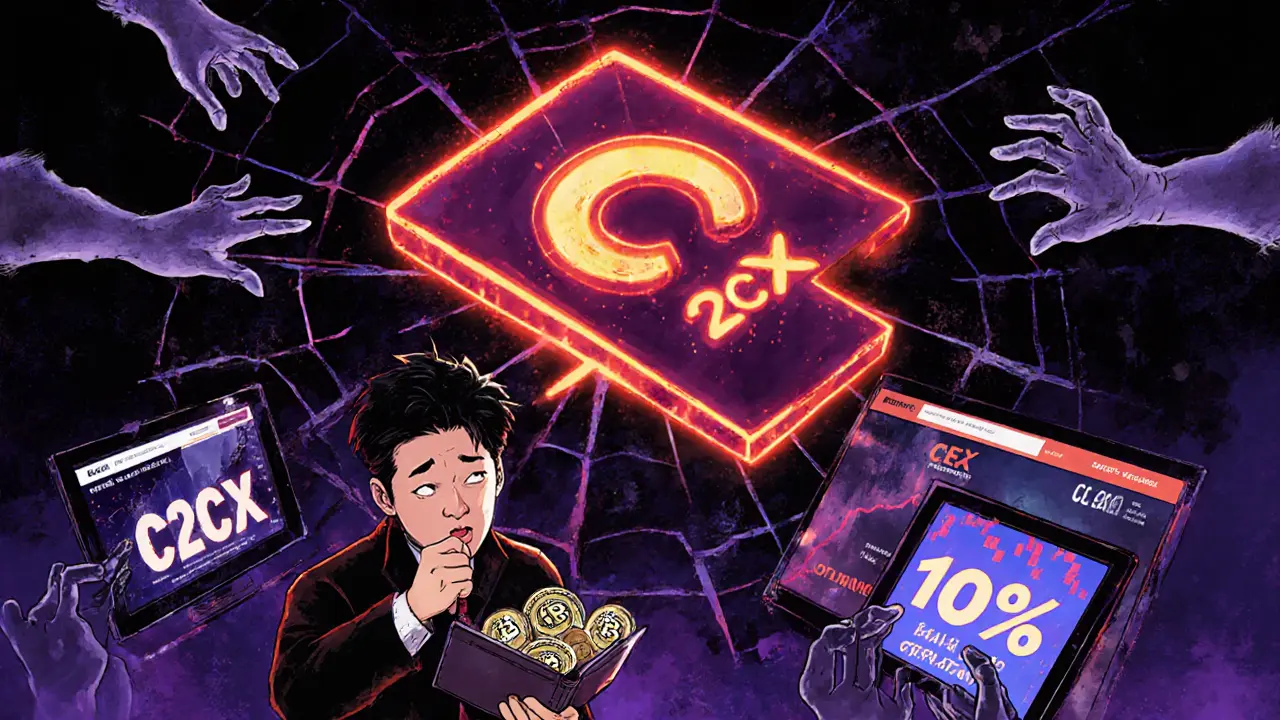
When you hear about C2CX, a fraudulent crypto platform that promised high returns through fake trading and staking. Also known as C2CX token scam, it’s one of the many schemes designed to steal your crypto by pretending to be a legitimate exchange or investment platform. Unlike real platforms like BloctoSwap or Deribit, C2CX doesn’t let you trade—it traps you. Users deposit funds, see fake balances rise, and then can’t withdraw a cent. The whole thing collapses when the operators vanish with the money.
This isn’t just about one bad app. C2CX is part of a larger pattern: fake crypto exchanges, platforms built to look real but with no infrastructure, no liquidity, and no oversight. These platforms often mimic real ones—using similar logos, fake testimonials, and even cloned websites. They target people looking for quick gains, especially those new to crypto. And they thrive where regulation is weak or ignored, like in markets with high crypto adoption but low enforcement, such as Vietnam or Myanmar. The same tricks show up in other scams like Lucent crypto exchange and ZOO Crypto World Mega Event airdrop—both of which were never real. The playbook is always the same: promise high yields, pressure you to act fast, and block withdrawals once you’ve deposited.
What makes C2CX dangerous isn’t just the theft—it’s the illusion. The platform shows your balance growing daily, sometimes doubling in a week. But those numbers aren’t real. They’re just pixels on a screen, pulled from a script that makes you feel rich while you’re being emptied. Real DeFi platforms like Uniswap V3 or Curve Finance don’t promise guaranteed returns. They show you fees, risks, and liquidity pools. C2CX hides everything. No whitepaper, no team, no audit. Just a website and a wallet address.
And here’s the kicker: once you’re in, they make it hard to leave. Withdrawals are delayed, then denied. Customer support vanishes. Then the site goes dark. This is classic Ponzi scheme crypto, a model that pays early users with money from later ones, not from actual profits. It only works as long as new people keep joining. When traffic drops, the whole thing collapses—leaving everyone who came later with nothing. You’ll see this same structure in other scams like CELT airdrop (which never happened) or MTRM token (which has no utility). They all rely on hype, not hardware.
So how do you avoid it? First, never invest because someone DM’d you a link. Second, check if the platform is listed on trusted exchanges or has a live, audited smart contract. Third, if it promises more than 5% monthly return, it’s a scam. Real yield comes from liquidity provision or staking on verified protocols—not magic algorithms. And fourth, if you can’t find a single credible review outside their own site, walk away.
The posts below show you exactly how these scams operate—whether it’s fake airdrops, phantom exchanges, or meme coins with no team. You’ll see how real crypto projects differ from frauds, what to look for in a platform, and how to protect your assets before it’s too late. This isn’t about fear. It’s about awareness.
C2CX crypto exchange doesn't exist - it's a scam. Learn how fake exchanges trick users, what real platforms look like, and how to protect your funds from crypto fraud.