Are Crypto Payments Allowed in Nigeria? 2026 Rules, Licensing, and Tax Guide
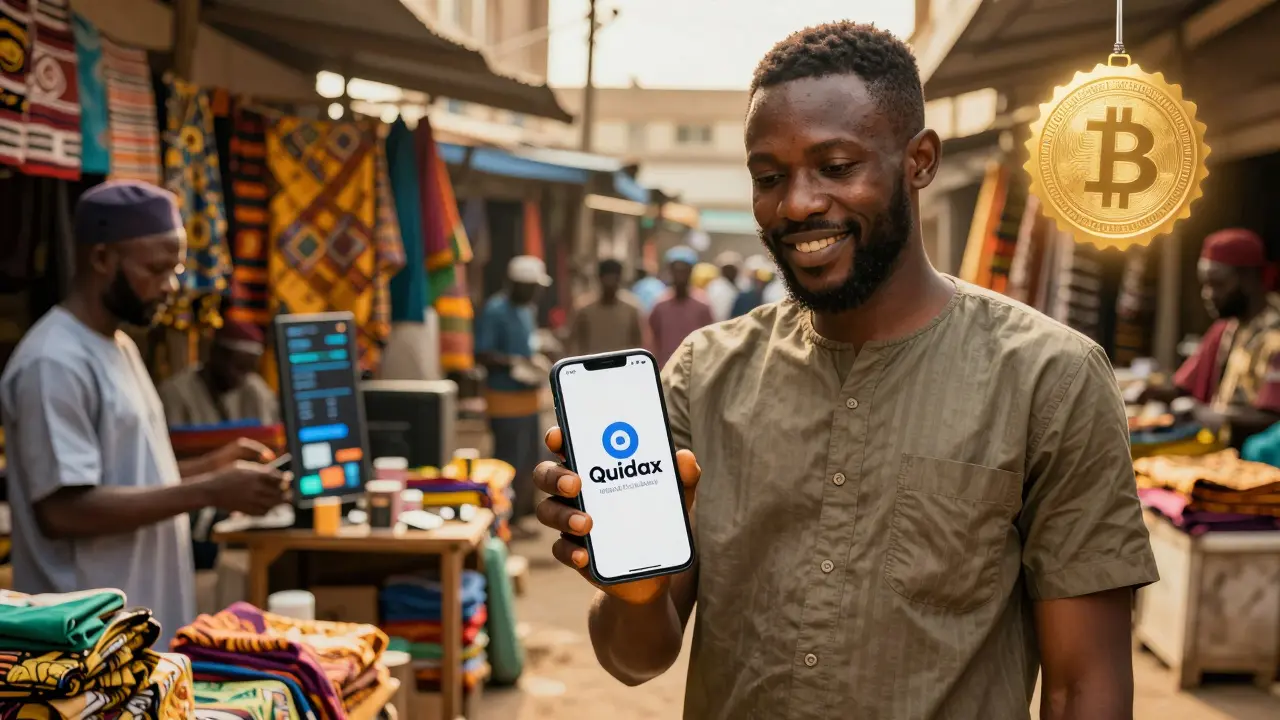
Can you actually use Bitcoin or Ethereum to pay for goods in Nigeria? The answer isn’t simple - but it’s no longer a gray zone. As of 2026, crypto payments are allowed in Nigeria - but only if they follow strict rules set by the government. This isn’t the wild west of crypto anymore. It’s a regulated market with clear winners, losers, and consequences for breaking the law.
Yes, Crypto Payments Are Legal - But Only Through Licensed Providers
Nigeria doesn’t treat Bitcoin or Dogecoin like the naira. You can’t use them to pay your electricity bill or buy a government bond. But you can use them to pay a freelancer, buy imported goods from a local store that accepts crypto, or send money to family abroad - as long as the platform handling the transaction is licensed by the Securities and Exchange Commission (SEC). The big shift happened in March 2025, when President Tinubu signed the Investments and Securities Act (ISA) 2025. For the first time, crypto assets were officially recognized as securities under Nigerian law. That means exchanges, payment processors, and wallet providers now need a license to operate. Unlicensed platforms? They’re illegal. And the SEC has already started shutting them down. Platforms like Quidax and Busha got their licenses in late 2024. They’re now the only ones legally allowed to connect Nigerian bank accounts to crypto wallets. If you’re using a foreign exchange like Binance or Kraken without a Nigerian license, you’re operating in a legal gray area - and your funds could be frozen if regulators decide to act.Who’s Watching? The Three Agencies That Control Crypto in Nigeria
It’s not just one agency in charge. Three powerful bodies now police crypto payments in Nigeria:- Securities and Exchange Commission (SEC): The main regulator. They license all crypto businesses, enforce rules, and can shut down non-compliant platforms. Fines start at ₦10 million ($6,693) for missing deadlines.
- Central Bank of Nigeria (CBN): They control banks. Since December 2023, they’ve allowed banks to work with SEC-licensed crypto firms. That means you can now deposit naira into a licensed exchange and withdraw crypto - legally.
- Nigerian Financial Intelligence Unit (NFIU): They track money laundering. Every crypto transaction over ₦500,000 must be reported. Suspicious activity? They can request your phone records and bank history.
How Crypto Payments Work Today - Step by Step
Here’s how a real Nigerian user makes a crypto payment in 2026:- You find a local business that accepts crypto - maybe a tech startup or an import-export firm.
- You open an account on a licensed exchange like Quidax or Busha.
- You deposit naira via bank transfer (this is now legal because the CBN allows it).
- You buy Bitcoin or USDT on the exchange.
- You send the crypto to the merchant’s wallet address.
- The merchant converts the crypto to naira through their own licensed provider and gets paid in local currency.
Taxes on Crypto Payments Changed on January 1, 2026
Before 2026, most Nigerians didn’t pay tax on crypto. Now, you absolutely must. The Nigerian Tax Administration Act (NTAA) 2025 came into force on January 1, 2026. Here’s what it means:- You don’t pay tax when you buy crypto - only when you sell or trade it for profit.
- Individuals: Profits are taxed as income, up to 25% depending on your total earnings.
- Businesses: If your company makes over ₦25 million in crypto profits a year, you pay 20% corporate tax. Over ₦100 million? That jumps to 30%.
- Transaction fees: Any platform charging fees (like Quidax) must charge 7.5% VAT on those fees.
What’s Still Banned? Fraud, Scams, and Unlicensed Platforms
Just because crypto is legal doesn’t mean everything goes. The law explicitly bans:- Ponzi schemes disguised as “crypto investment clubs”
- Unlicensed exchanges that take deposits but don’t report transactions
- Platforms that allow anonymous trading without KYC (Know Your Customer) checks
Why Nigeria Leads the World in Crypto P2P Trading
Despite the rules, Nigeria still leads the world in peer-to-peer (P2P) crypto volume. Between July 2024 and June 2025, Nigerians moved over $92 billion in crypto. That’s more than South Africa, Kenya, and Ghana combined. Why? Three reasons:- High inflation: The naira lost 40% of its value against the dollar between 2023 and 2025. People turned to crypto to save money.
- Remittances: Nigerians abroad send home $20 billion a year. Crypto cuts fees from 10% to under 2%.
- Tech-savvy youth: Over 60% of Nigerians under 35 use smartphones daily. Crypto apps are easy to install and use.
What Happens If You Use an Unlicensed Exchange?
You might not get caught right away. But if you do, the consequences are serious:- Your bank account can be frozen for “suspicious activity”
- You can’t withdraw funds if the platform gets shut down
- You lose legal protection - no recourse if you’re scammed
- You risk being investigated by NFIU or EFCC if your transactions are large
The Future: More Clarity, More Control
The Nigerian government isn’t trying to kill crypto. They’re trying to own it. By bringing it into the legal system, they gain tax revenue, reduce fraud, and give young entrepreneurs a real path to build businesses. Expect more changes in 2026:- More exchanges will get licensed - possibly over 20 by year-end
- More banks will offer crypto-linked debit cards
- Government agencies may start accepting crypto for certain fees (like visa applications or business registrations)
Is it legal to use Bitcoin to pay for goods in Nigeria?
Yes, but only if the payment goes through a platform licensed by Nigeria’s Securities and Exchange Commission (SEC). You can’t use Bitcoin directly like cash - it must be processed through a regulated exchange or payment provider. Unlicensed platforms are illegal.
Can Nigerian banks handle crypto transactions?
Yes - but only for SEC-licensed crypto businesses. Since December 2023, the Central Bank of Nigeria reversed its ban and now allows banks to open accounts for approved exchanges like Quidax and Busha. You can deposit naira and withdraw crypto legally through these channels.
Do I have to pay tax on crypto profits in Nigeria?
Yes, since January 1, 2026. Crypto is treated as property. You pay income tax on profits when you sell or trade it. Individuals pay up to 25%, companies pay 20-30%, and platforms charge 7.5% VAT on fees. No tax is due just for holding crypto.
What happens if I use Binance or Kraken in Nigeria?
You can still use them, but they’re not licensed in Nigeria. That means your funds aren’t protected by local law, your bank may freeze transactions, and regulators could block access at any time. For safety and legal protection, use only SEC-licensed platforms like Quidax or Busha.
Are NFTs legal in Nigeria?
Artistic NFTs (like digital art or collectibles) are not regulated by the SEC. But NFTs sold as investment contracts - such as fractional property or profit-sharing tokens - are treated as securities and require SEC approval. Most creators are safe, but sellers offering returns on NFTs need a license.
Can I start a crypto payment business in Nigeria?
Yes, but you need an SEC license as a Virtual Asset Service Provider (VASP). The process includes submitting financial records, KYC systems, AML compliance plans, and paying fees. The SEC has approved only a few so far, and the vetting is strict. It’s expensive and time-consuming - but legal.
Rod Petrik
January 18, 2026 AT 17:58Sarah Baker
January 18, 2026 AT 22:24Liza Tait-Bailey
January 19, 2026 AT 19:21nathan yeung
January 20, 2026 AT 12:53Bharat Kunduri
January 22, 2026 AT 11:57Chris O'Carroll
January 23, 2026 AT 17:27Kelly Post
January 23, 2026 AT 23:25Chidimma Okafor
January 23, 2026 AT 23:54Bill Sloan
January 24, 2026 AT 11:57ASHISH SINGH
January 25, 2026 AT 09:25Vinod Dalavai
January 26, 2026 AT 16:35Tony Loneman
January 27, 2026 AT 02:13Callan Burdett
January 27, 2026 AT 03:56Anthony Ventresque
January 28, 2026 AT 05:39Nishakar Rath
January 28, 2026 AT 12:50Jason Zhang
January 30, 2026 AT 00:57Katherine Melgarejo
January 31, 2026 AT 08:36