Bitcointry Exchange Review 2026: Is This Hybrid Crypto Platform Safe?

Picking a place to trade your digital assets usually feels like a choice between two extremes. You either go with a big-name centralized exchange and hand over every piece of your identity for a KYC check, or you use a decentralized platform where the interface feels like it was designed by a rocket scientist. Bitcointry Exchange is a hybrid cryptocurrency trading platform that attempts to bridge this gap by combining the liquidity of a centralized exchange with the privacy of Web3 connectivity. Launched on January 1st, 2023, by Devcode Technology, it positions itself as a flexible alternative for those who want fast trades without the traditional bureaucratic hurdles.
If you are tired of spending hours uploading passports just to buy a few coins, Bitcointry's approach is refreshing. However, as with any platform handling your money, the real question isn't just about convenience-it's about whether your funds are actually secure. We will look at the fees, the hybrid model, and the conflicting security reports to see if this exchange earns a spot in your trading toolkit.
The Hybrid Model: Best of Both Worlds?
The standout feature here is the dual-access system. Most platforms force you into one lane, but Bitcointry lets you choose how you enter the market. You can use a standard Web2 login, which is your typical email-and-password setup. This is great for people who prefer a managed account and a familiar dashboard experience.
On the flip side, the platform supports one-click Web3 wallet connectivity. This means you can link your Metamask, Trustwallet, Coinbase Wallet, or Binance Wallet and start trading immediately. The magic here is that the Web3 path bypasses the usual KYC (Know Your Customer) and 2FA requirements. For users who prioritize privacy and autonomy, this is a massive win, as it allows for "hassle-free" deposits and withdrawals without revealing your identity to the platform.
Trading Fees and the BTTY Token
Fees can eat your profits alive, especially if you are day trading. Bitcointry keeps things simple with a flat trading commission of 0.2%. In a market where some platforms charge significantly more for basic trades, this is quite competitive. To make it even cheaper, the exchange introduced its own utility token.
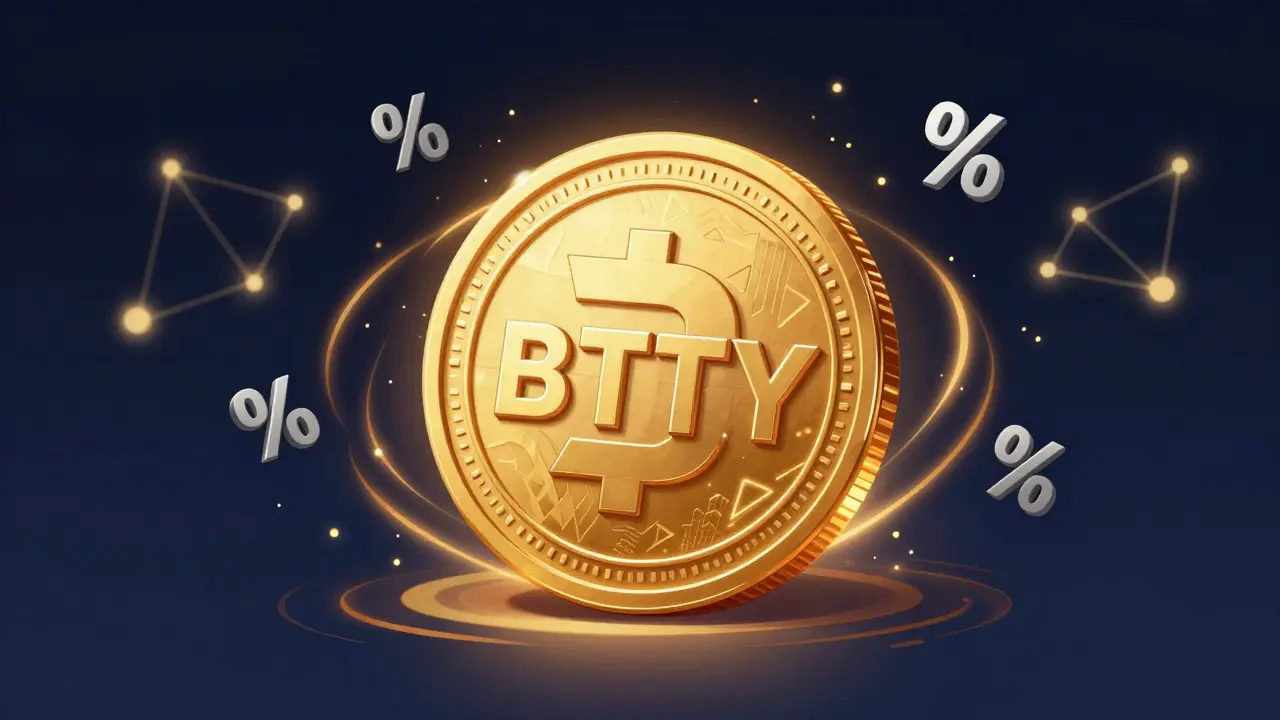
The BTTY token is the engine behind the platform's ecosystem. It is issued across several networks, including Ethereum, Binance Smart Chain (BSC), Arbitrum (ARB), and the CORE chain. Holding BTTY doesn't just give you a stake in the platform; it actually lowers your trading fees. Beyond discounts, BTTY holders can participate in governance proposals, meaning you get a vote on how the exchange evolves.
| Feature | Detail | Value/Standard |
|---|---|---|
| Trading Fee | Standard Commission | 0.2% |
| Asset Variety | Listed Cryptocurrencies | 51 Coins / 59 Pairs |
| Registration | Regulatory Jurisdiction | Seychelles (since 2025) |
| Web3 Support | Integrated Wallets | Metamask, Trustwallet, etc. |
| Primary Pair | Most Active Market | BTC/USDT |
Market Liquidity and Asset Selection
Bitcointry isn't trying to be a "everything store" like Binance. With 51 cryptocurrencies and 59 trading pairs, it focuses on the essentials. If you are looking for the newest, most obscure meme coin, you might not find it here, but the core assets like Bitcoin, Ethereum, and Solana are well-supported.
In terms of volume, the platform is a mid-tier player. Reported 24-hour trading volumes fluctuate, with some data points showing around $10.3 million and others closer to $2.6 million. The BTC/USDT pair dominates the activity. While this is plenty for the average retail trader, institutional whales might find the liquidity lacking compared to the giants of the industry. However, for most people, this volume is sufficient to execute trades without significant slippage.
The Security Paradox: User Love vs. Technical Ratings
This is where the review gets complicated. If you look at user feedback, Bitcointry looks like a star. Traders Union gave it a 4.2 out of 5, noting that customers are generally happy and complaints are rare. This suggests the user interface is intuitive and the basic functions-buying and selling-work exactly as they should.
However, if you dig into the technical audit side, the picture changes. CER.live gave the exchange a security score of 46.20%, ranking it 121st. The red flags here are technical: there is no documented proof of funds verification, no ongoing bug bounty programs, and no certified penetration testing. Essentially, the "plumbing" of the exchange hasn't been publicly stress-tested by third-party security experts.
Why the difference? Most users judge an exchange by how fast the app is and if their money arrives on time. Technical auditors judge it by how hard it would be for a hacker to break in. Bitcointry's shift in 2025 to register in the Seychelles was a strategic move to align with international regulatory standards, but the gap in security certifications remains a point of caution.
User Experience: Web and Mobile
The onboarding process is designed to be frictionless. Whether you are using the web platform or the mobile app on the Google Play Store, the goal is a "three-step" path to owning your first coin. The interface is clean and provides real-time market data, which is critical when prices are swinging wildly.
The mobile app is particularly useful for those who want to manage their portfolio on the go. It emphasizes secure trading without third-party interference, which fits the platform's overall philosophy of giving the user more control. If you prefer the Web3 route, the integration is seamless-you just connect your wallet and you're in, which eliminates the tedious process of creating accounts and verifying emails.

Final Verdict: Who is this for?
Bitcointry isn't for everyone. If you are a high-net-worth investor who needs the absolute highest level of certified security and insurance, you might stick to the tier-one exchanges. But if you are a regular trader who values privacy, hates KYC, and wants low fees, this hybrid model is very attractive.
The platform is clearly evolving. Moving its registration to the Seychelles shows a commitment to growing into a globally recognized entity. While the technical security scores are a reminder to be cautious-perhaps by not storing your entire life savings on any single exchange-the user satisfaction suggests a reliable day-to-day experience.
Do I need to provide ID to use Bitcointry Exchange?
It depends on how you log in. If you use the Web2 email login, you may encounter standard requirements. However, if you connect via a Web3 wallet (like Metamask or Trustwallet), you can access the platform without KYC or 2FA requirements.
How do the BTTY tokens help me?
BTTY is the native utility token of the platform. Holding it allows you to get discounts on trading fees and gives you the power to vote on governance proposals to influence the exchange's future development.
Is the 0.2% fee actually low?
Yes, it is very competitive. Most major exchanges range between 0.1% and 0.5%. A 0.2% flat rate is affordable for most retail traders and is even lower if you use BTTY tokens for discounts.
Which wallets are supported for the hybrid login?
Bitcointry supports several major Web3 wallets, including Metamask, Trustwallet, Coinbase Wallet, Wallet Connect, and the Binance Wallet.
Why is there a difference between its user rating and security score?
User ratings (like those from Traders Union) focus on the customer experience, ease of use, and reliability of service. Technical scores (like from CER.live) focus on infrastructure, such as penetration testing and proof of funds, which the platform currently lacks.
Next Steps for New Users
- For Privacy Seekers: Set up a Metamask or Trustwallet first. Connect it to Bitcointry to experience the no-KYC trading flow.
- For Fee-Conscious Traders: Look into acquiring BTTY tokens on one of the supported chains (like BSC or Ethereum) to reduce your overhead costs.
- For Risk Management: Given the lack of public penetration tests, follow the gold rule of crypto: move your long-term holdings to a cold wallet and only keep what you are actively trading on the exchange.