Bitexen Crypto Exchange Review: Is It Safe for Turkish Traders?

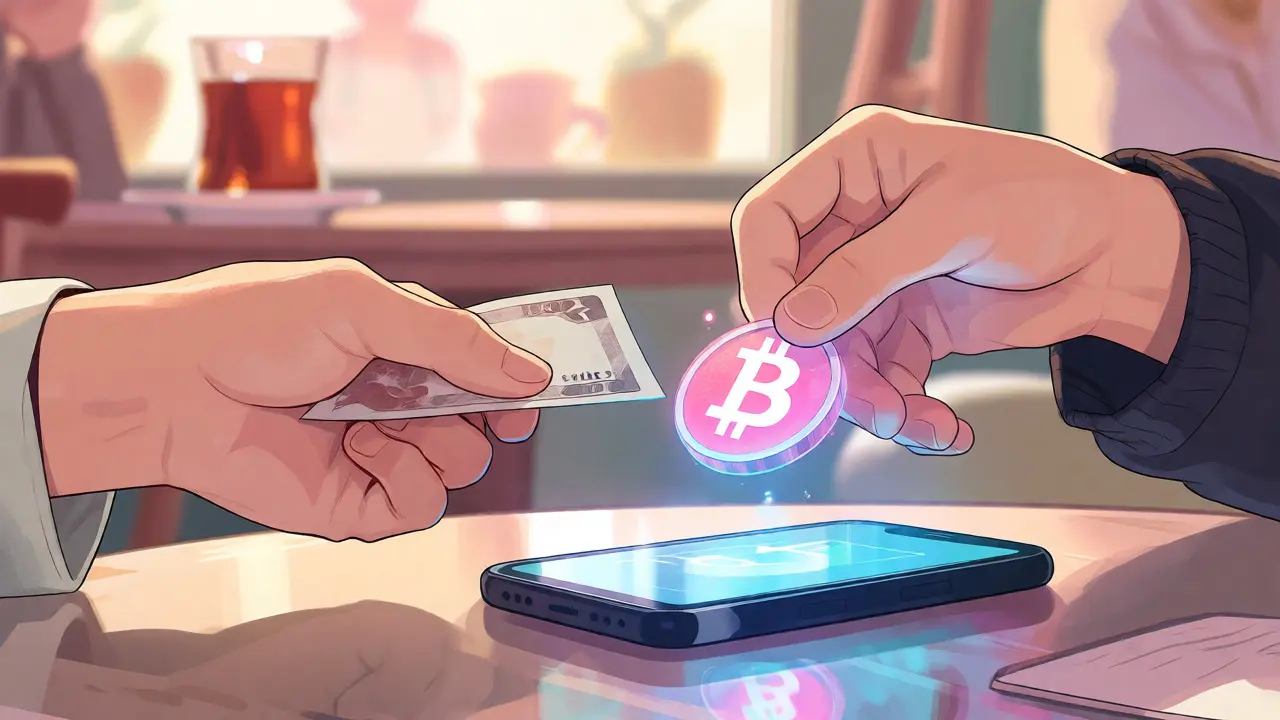
Imagine you’re in Istanbul, watching the Lira fluctuate against the dollar, and you decide it’s time to buy some Bitcoin. You open your phone, search for a local exchange, and land on Bitexen. The interface looks clean, the fees seem low, and everyone around you seems to use it. But is it actually safe? Or are you handing your money over to an unregulated platform with no safety net?
This isn’t just a hypothetical. For millions of users in Turkey, choosing a crypto exchange is a daily dilemma. You want fast transactions, easy bank transfers, and low costs. But you also worry about regulation, security hacks, and whether your assets are actually yours. This review cuts through the noise to tell you exactly what Bitexen offers, where it falls short, and who should actually use it.
The Quick Verdict: Who Should Use Bitexen?
- You live in Turkey: If you have a Turkish phone number and bank account, Bitexen is one of the most accessible options for buying crypto with Lira.
- You prioritize speed over global reach: You want to trade quickly without jumping through international verification hoops.
- You accept moderate risk: You understand that Bitexen lacks tier-1 global regulation and are comfortable with that trade-off for local convenience.
- You don’t need US access: If you are a US resident or investor, skip this one entirely. Bitexen blocks them.
What Exactly Is Bitexen?
Launched in 2018, Bitexen is a cryptocurrency exchange headquartered in Turkey, designed specifically for the domestic market. Unlike global giants like Binance or Coinbase, which try to serve everyone everywhere, Bitexen focuses on one thing: helping Turkish residents convert their Lira into digital assets seamlessly.
Think of it less as a global financial hub and more as a specialized local tool. It supports trading for roughly 28 cryptocurrencies, including major players like Bitcoin, Ethereum, and various altcoins. The platform allows you to deposit and withdraw using the Turkish Lira (TRY), which is its primary fiat currency. This focus on TRY makes it incredibly convenient for locals, but it creates a hard barrier for anyone else.
The user experience is built around mobile-first convenience. Whether you’re on iOS or Android, the app lets you manage orders, check balances, and get push notifications for price movements. For a trader in Ankara or Istanbul, this means you can react to market changes while sitting in a taxi or waiting for coffee. But here’s the catch: the platform restricts access strictly to individuals with Turkish phone numbers. No Turkish SIM? No account. Period.
Fees and Trading Costs: Are They Competitive?
Let’s talk money. Nobody likes hidden fees, and in crypto, they eat into your profits faster than you think. Bitexen’s fee structure is straightforward, which is a plus if you hate complex tiered systems based on volume.
| Fee Type | Rate | Notes |
|---|---|---|
| Maker Fee | 0.15% | Charged when you add liquidity to the order book (limit orders). |
| Taker Fee | 0.25% | Charged when you remove liquidity (market orders). |
| Deposit Fees | Variable | Depends on the specific cryptocurrency network; usually minimal for major coins. |
| Withdrawal Fees | Variable | Deducted from the withdrawal amount; varies by coin. |
Is 0.25% taker fee good? It’s decent. Global exchanges often charge between 0.10% and 0.20% for high-volume traders, but for casual users, Bitexen’s flat rate is predictable. However, remember that these fees apply to every single trade. If you’re day-trading small amounts frequently, those percentages stack up. If you’re holding long-term, you’ll pay once when you buy and once when you sell, so the impact is negligible.
Security Check: Can You Trust Your Assets?
This is the big question. In the crypto world, "not your keys, not your coins" is the golden rule. But if you leave coins on an exchange, you need to trust their security. Bitexen has implemented standard industry protections, but there are gaps.
First, the good news. Bitexen uses Two-Factor Authentication (2FA) to protect accounts. They also store the majority of customer funds in cold wallets, which are offline storage devices immune to online hacks. According to available data, Bitexen has no history of successful major hacks, which is reassuring.
Now, the concern. Security scores from independent auditors like Traders Union place Bitexen at 5.25 out of 10. Why so low? Because it lacks regulatory oversight. While Kraken holds tier-1 licenses in multiple jurisdictions and OKX operates under government regulation, Bitexen does not appear to be regulated by any major government authority. This doesn’t mean they’re running a scam, but it means there’s no external body auditing their reserves regularly or enforcing strict client protection laws.
If Bitexen were to face financial trouble tomorrow, would you have legal recourse? Probably not in the same way you would with a bank-regulated entity. This is why many experienced Turkish traders move large holdings off-exchange after buying, storing them in hardware wallets like Ledger or Trezor.
Pros and Cons: The Good, The Bad, And The Ugly
To make this decision easier, let’s break down the strengths and weaknesses clearly.
Pros
- Local Convenience: Direct integration with Turkish banks makes deposits and withdrawals fast and cheap.
- Simple Interface: Great for beginners who find global exchanges overwhelming.
- Mobile App: Robust apps for both iOS and Android keep you connected to the market.
- No Hack History: Clean track record regarding security breaches so far.
Cons
- Geographical Restriction: Only accepts users with Turkish phone numbers. This excludes expats without local lines and all international investors.
- Lack of Regulation: No tier-1 regulatory status means less consumer protection compared to global leaders.
- Limited Asset Selection: With only ~28 cryptocurrencies, you miss out on newer or niche tokens found on larger platforms.
- US Block: Strictly prohibits US investors due to SEC compliance issues.
How Does Bitexen Compare to Global Rivals?
It helps to see how Bitexen stacks up against names you might already know. While it serves a different niche, the differences highlight its limitations.
| Feature | Bitexen | Kraken | OKX |
|---|---|---|---|
| Primary Market | Turkey | Global | Global |
| Regulation Status | Unregulated | Tier-1 Regulated | Government Regulated |
| Crypto Support | ~28 Coins | 200+ Coins | 300+ Coins |
| Fiat Support | TRY Only | USD, EUR, GBP, etc. | USD, EUR, TRY, etc. |
| User Access | Turkish Phone Required | Most Countries | Most Countries |
| Investor Protection Fund | No | Yes | Yes |
Notice the pattern? Bitexen wins on local simplicity but loses on scale and safety nets. If you’re looking for a wide variety of altcoins or robust insurance-like protection, global exchanges are superior. But if you just want to buy Bitcoin with your salary deposited in TRY, Bitexen removes friction.
Real User Experience: What Do People Say?
Public reviews for Bitexen are sparse compared to global platforms. On sites like Slashdot, you might find zero ratings, which can be misleading-it doesn’t mean people don’t use it, just that they don’t post reviews globally. Within Turkey, however, reputation is stronger. Local forums and social media groups often praise the platform for its reliability during high-volatility periods when other exchanges crash or slow down.
One common piece of feedback involves customer support. Users report that response times can vary. During peak market hours, getting help via email or chat might take longer than expected. This is typical for mid-sized regional exchanges that lack the massive support teams of global corporations. Always test their support channel before moving large sums of money.
Final Thoughts: Should You Sign Up?
Bitexen is not trying to be the next Binance. It’s a utility tool for Turkish residents. If you fit that profile, it’s a solid choice for entry-level trading and quick conversions. The ease of moving money from your Turkish bank to crypto is unmatched by foreign competitors who require wire transfers or third-party processors.
However, treat it as a gateway, not a vault. Buy your crypto there, then move significant holdings to a personal wallet. Don’t rely on it for obscure altcoin hunting or advanced derivatives trading. And if you ever plan to travel or invest internationally, keep a secondary account on a global exchange like Kraken or Coinbase ready.
Can I use Bitexen if I am a US citizen?
No. Bitexen explicitly restricts access to US investors. This is primarily due to strict regulations enforced by the US Securities and Exchange Commission (SEC), which requires foreign exchanges to register if they solicit US clients. To avoid legal complications, Bitexen blocks US-based users entirely.
Does Bitexen require KYC verification?
Yes. Like most reputable exchanges, Bitexen requires identity verification (Know Your Customer) to comply with anti-money laundering standards. You will typically need to provide a government-issued ID and proof of address. Since they restrict users to those with Turkish phone numbers, the verification process is streamlined for Turkish residents.
What happens if Bitexen shuts down?
If Bitexen were to cease operations, recovering funds could be difficult because the exchange is not backed by a government guarantee or an investor protection fund like some larger competitors. This is why experts recommend withdrawing large amounts of cryptocurrency to a self-custody wallet (like a hardware wallet) rather than leaving it on the exchange indefinitely.
Are Bitexen fees higher than global exchanges?
Not necessarily. Their maker fee is 0.15% and taker fee is 0.25%, which is competitive with many global platforms for average users. However, global exchanges often offer lower fees for high-volume traders through VIP tiers. For the average Turkish user making occasional trades, Bitexen’s fees are reasonable and transparent.
Can I trade stablecoins like USDT on Bitexen?
Yes, Bitexen supports major stablecoins such as Tether (USDT) and USD Coin (USDC). These are popular among Turkish traders looking to hedge against Lira volatility without fully exiting the crypto market. You can easily swap between TRY, BTC, ETH, and stablecoins within the platform.