Crypto Exchange Fines & Enforcement Actions in 2025: What It Means for You
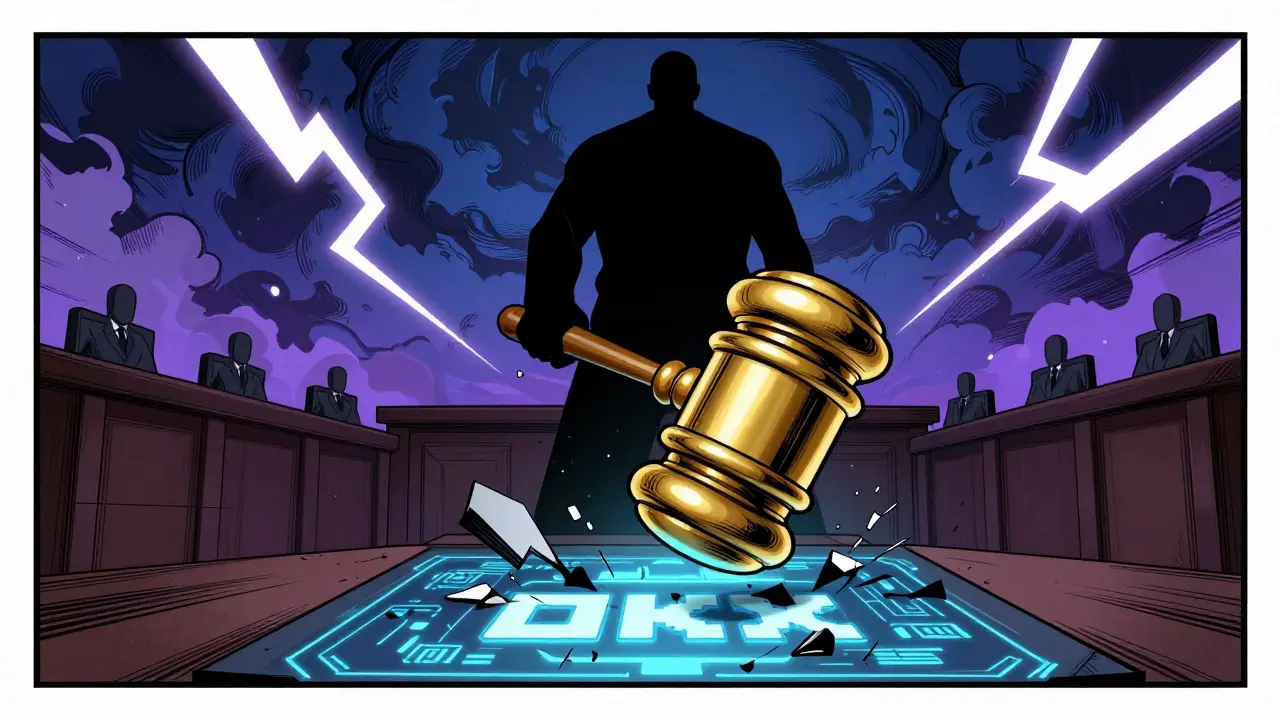
Imagine waking up to news that the cryptocurrency exchange you trust has been hit with a half-billion-dollar fine. In early 2025, this wasn’t a hypothetical scenario-it was reality. The landscape of Crypto exchange enforcement actions is legal penalties and regulatory crackdowns imposed on digital asset platforms for violations like money laundering or fraud has shifted dramatically. Regulators are no longer just watching; they are striking hard.
If you trade digital assets, these headlines matter. They aren't just about big corporations losing money. They signal a new era where compliance is non-negotiable. With over $6 billion in Anti-Money Laundering (AML) fines issued globally in just the first half of 2025, the message from agencies like the Department of Justice (DOJ) and the Securities and Exchange Commission (SEC) is clear: play by the rules, or pay the price.
The Record-Breaking OKX Settlement
To understand the severity of the current climate, look at what happened to OKX, a major global cryptocurrency exchange founded in 2017. On February 24, 2025, the US Department of Justice announced a staggering settlement against the Seychelles-based platform. The total penalty exceeded $500 million.
Here’s why it matters. OKX had officially banned users from the United States. Yet, investigators found internal documents showing staff actively helping American customers bypass these restrictions. They instructed users to falsify identification documents to hide their location. This isn’t just a technical glitch; it’s a deliberate failure of Know Your Customer (KYC) protocols, which are regulatory requirements for verifying the identity of clients.
The breakdown of the fine tells a story of intent:
- $84 million in civil fines paid to the DOJ.
- $420 million forfeited as illegal proceeds.
OKX pleaded guilty to failing to register as a money service business and facilitating over $5 billion in suspicious transactions. For traders, this highlights a critical risk: exchanges that claim to be "global" but lack robust US compliance often cut corners. Those corners can lead to massive legal liabilities that eventually impact user access and funds.
Beyond Money Laundering: Market Manipulation Crackdowns
You might think your main worry is whether an exchange will freeze your account. But regulators are also targeting how prices move. The DOJ has launched aggressive prosecutions against market makers accused of manipulating altcoins and meme coins.
In October 2024, authorities in the District of Massachusetts charged 17 individuals with crypto-related crimes. These defendants allegedly used automated trading bots to engage in "wash trading"-buying and selling assets to themselves to create fake volume. This artificial activity tricks other investors into thinking a coin is popular or stable when it isn’t.
This shift in focus is significant. Previously, enforcement largely centered on who was using the platform (AML/KYC). Now, it’s expanding to *how* the platform operates (market integrity). If you’ve ever bought a token because the chart looked "busy," you were potentially part of the target audience for these manipulation schemes.

SEC Actions: Fraud and Unregistered Securities
While the DOJ handles criminal cases, the Securities and Exchange Commission (SEC) focuses on investor protection and securities laws. Their 2025 actions show a relentless pursuit of fraud in the crypto space.
Consider the case of Ramil Palafox, founder of PGI Global. In April 2025, the SEC charged him with running a Ponzi-like scheme. He promised high returns from crypto trading but instead misappropriated over $57 million from investors. Later that year, in May, the SEC charged Unicoin and its executives for similar anti-fraud violations.
A particularly complex case involved MCC International Corp., CPTLCoin Corp., and Bitchain Exchanges. In August 2025, the court ordered these entities to disgorge nearly $28.5 million and pay millions more in interest. The scheme? They sold mining packages to investors but controlled the underlying platform, blocking withdrawals and hiding the fact that they owned the exchange where profits were supposedly traded.
These cases share a common thread: opaque operations. When an exchange or mining pool doesn’t clearly disclose who controls the backend, it raises red flags for regulators-and should raise them for you too.
Traditional Finance Meets Crypto: FINRA’s Role
It’s not just standalone crypto exchanges facing heat. Traditional financial firms are getting caught in the crossfire too. The Financial Industry Regulatory Authority (FINRA) has stepped up enforcement against broker-dealers offering crypto products.
In July 2025, FINRA settled charges with a broker-dealer for $85,000. Why? The firm failed to disclose that retail crypto offerings were provided through an unregistered affiliate. They also didn’t fairly present the risks. This followed a similar $85,000 settlement in May 2025.
This matters if you buy crypto through traditional brokerage apps. These firms must have proper compliance frameworks. If they don’t, they face fines, and you might face unexpected risks due to lack of transparency.
| Entity | Regulator | Violation Type | Penalty Amount |
|---|---|---|---|
| OKX | US DOJ | AML/KYC Failures, Sanctions Evasion | $500M+ ($84M fine + $420M forfeiture) |
| PGI Global (Ramil Palafox) | SEC | Fraud, Ponzi Scheme | $57M Misappropriated |
| MCC Int'l / Bitchain | SEC | Unregistered Securities, Fraud | $46M Default Judgment |
| Unidentified Broker-Dealer | FINRA | Disclosure Failures | $85,000 |
What This Means for Your Trading Strategy
So, how do you protect yourself in this environment? The surge in fines indicates that regulatory agencies have moved from experimental oversight to systematic prosecution. They have specialized teams and deep pockets.
First, prioritize exchanges with transparent compliance records. Look for platforms that clearly state their registration status with the US Treasury as Money Service Businesses (MSBs). If an exchange encourages you to hide your location or use third-party services to bypass KYC, walk away. As the OKX case shows, those shortcuts cost billions.
Second, be skeptical of "guaranteed returns." Whether it’s a mining pool promising profit-sharing or a fund guaranteeing high yields, remember the PGI Global and MCC cases. Legitimate investments carry risk. Guarantees are often the hallmark of fraud.
Finally, keep an eye on political developments. While enforcement is strong now, there are ongoing debates in Congress regarding SEC budgets and powers. However, until laws change significantly, the current trend of heavy fines and strict scrutiny remains the norm.
Looking Ahead: Project Crypto and Future Regulations
Regulators aren’t slowing down. SEC Chairman Paul Atkins announced "Project Crypto," a commission-wide initiative focused on digital assets. This signals that crypto will remain a top priority for the agency.
However, the landscape is dynamic. Legal challenges, such as the Eleventh Circuit’s decision to strike down certain SEC funding rules, suggest that while enforcement is aggressive, it faces judicial checks. For now, though, the safest bet is to assume full regulatory scrutiny applies to every transaction.
The days of the Wild West are over. Compliance is now the backbone of sustainable crypto business. As a user, your best defense is choosing partners who respect the law, even when it’s inconvenient for them.
Why was OKX fined so heavily?
OKX was fined over $500 million because it facilitated billions in suspicious transactions by failing to implement proper AML and KYC procedures. Crucially, evidence showed staff helped US users bypass bans by falsifying IDs, leading to severe penalties from the DOJ.
What is wash trading in crypto?
Wash trading is a form of market manipulation where traders buy and sell assets to themselves to create artificial volume. This makes a coin appear more active or valuable than it is, misleading other investors. The DOJ has prosecuted multiple individuals for this practice.
How does the SEC differ from the DOJ in crypto enforcement?
The DOJ typically pursues criminal charges for serious offenses like money laundering and market manipulation, which can lead to prison time. The SEC focuses on civil violations related to securities laws, such as fraud and unregistered offerings, aiming to recover funds and impose financial penalties.
Are traditional brokers safe for buying crypto?
Not necessarily. FINRA has fined traditional broker-dealers for failing to properly disclose risks and affiliations when offering crypto products. Always check if your broker has clear disclosures and registered affiliates when handling digital assets.
What should I look for in a compliant crypto exchange?
Look for exchanges that are registered as Money Service Businesses (MSBs) with the US Treasury, have transparent KYC processes, and do not encourage users to bypass geographic restrictions. Avoid platforms that promise guaranteed returns or lack clear ownership disclosure.