Crypto Prohibition Enforcement in Algeria: Law No. 25-10 Explained

Imagine holding a digital wallet on your phone, only to find out that simply possessing it could land you in prison. That is the reality for residents of Algeria, which recently enacted one of the world's strictest bans on cryptocurrency. Since July 24, 2025, Law No. 25-10 has criminalized almost every interaction with digital assets, from buying Bitcoin to mining Ethereum. This isn't just a warning label; it is a full-blown prohibition backed by prison sentences and heavy fines.
You might wonder why a country with a growing tech scene would shut down such a booming industry. The answer lies in a mix of monetary sovereignty concerns, anti-money laundering (AML) efforts, and a desire to control financial flows. If you are an investor, a developer, or just someone curious about how this affects the global blockchain map, understanding the mechanics of this ban is crucial. Let’s break down what the law actually says, who enforces it, and what happens if you get caught.
The Scope of Law No. 25-10
Law No. 25-10 is not a subtle regulation. It is a comprehensive crackdown that targets the entire lifecycle of a digital asset. Unlike previous rules that were vague or poorly enforced, this legislation leaves no gray areas. Article 6 bis explicitly lists prohibited activities, and the list is exhaustive.
If you buy, sell, hold, mine, or even talk about crypto in a promotional capacity, you are potentially breaking the law. The definition of "possession" includes storing assets in a private key, meaning self-custody wallets are not safe harbors. Furthermore, the law extends liability to those who facilitate these transactions. Crypto exchanges, wallet providers, and even influencers who advertise digital tokens face legal scrutiny.
This broad scope distinguishes Algeria from countries like El Salvador, where Bitcoin became legal tender, or Nigeria, which initially banned bank interactions but allowed P2P trading. In Algeria, the state aims to remove crypto from the public sphere entirely. The goal is to protect the Algerian Dinar as the sole legal tender and prevent capital flight through unregulated channels.
Penalties and Legal Consequences
What happens if you violate the ban? The penalties are severe enough to deter casual users. Offenders face imprisonment ranging from two months to one year. Additionally, fines range from 200,000 to 1,000,000 Algerian Dinars (DZD). To put that in perspective, at current exchange rates, this equates to approximately $1,540 to $7,700 USD. For many young professionals in Algiers, that fine represents several months' salary.
The judicial system treats these violations seriously. Prosecutors can seize assets linked to illegal crypto activities. If you mined Bitcoin using subsidized electricity, authorities can confiscate both the hardware and the earnings. The law also targets passive holders. You don't need to be actively trading to be at risk; simply owning the asset constitutes possession under the statute.
| Jurisdiction | Regulatory Status | Primary Focus | Penalty Severity |
|---|---|---|---|
| Algeria | Total Prohibition | Monetary Sovereignty & AML | Prison (up to 1 yr) + High Fines |
| China | Ban on Trading/Mining | Financial Stability | Fines + Asset Seizure |
| European Union | Regulated (MiCA) | Consumer Protection & Innovation | Licensing Revocation |
| United States | Regulated by SEC/CFTC | Securities Compliance | Civil Penalties / Criminal Fraud |
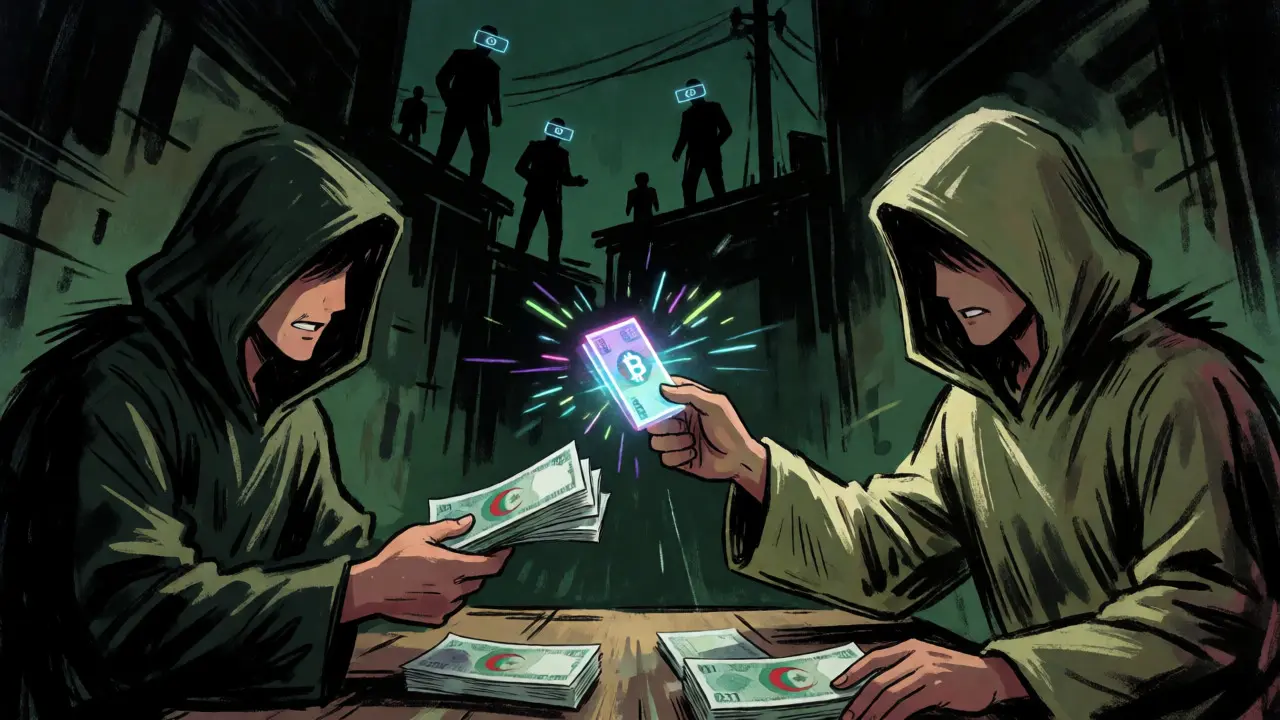
Who Enforces the Ban?
Enforcement in Algeria is a multi-agency effort. It is not left to a single police unit. Instead, four main bodies coordinate to monitor and prosecute violations.
- Bank of Algeria: This central bank oversees the financial system. It ensures that traditional banks do not process crypto-related transactions. If a bank transfers money to a known crypto exchange, it faces regulatory action.
- The Banking Commission: This body regulates banking institutions. It monitors compliance to ensure that no formal financial institution facilitates digital asset services.
- Judicial Authorities: Courts handle the prosecution of individuals. Judges interpret the law and impose sentences. Recent cases show a willingness to apply the maximum penalties for repeat offenders.
- Security Authorities: These agencies focus on digital monitoring. They track online activity related to crypto promotion and mining operations. Their role is critical in detecting underground markets and organized crime links.
This coordinated approach makes evasion difficult. While peer-to-peer (P2P) networks operate outside the banking system, security forces use digital surveillance to identify patterns. If you frequently transfer large sums via mobile payment apps to unknown recipients, you may trigger an audit.
Why Did Algeria Ban Crypto?
The government cites three main reasons for the prohibition. First, they want to stop money laundering. Crypto’s anonymity features make it attractive for hiding illicit funds. Second, they aim to curb terrorism financing. By controlling all financial flows through the Dinar, the state believes it can better monitor suspicious transactions.
Third, there is the issue of monetary sovereignty. The Algerian Dinar is a controlled currency. Allowing citizens to convert their savings into volatile digital assets threatens the central bank’s ability to manage inflation and exchange rates. Officials argue that "uncontrolled speculation" harms ordinary citizens who lack the expertise to navigate market swings.
This stance aligns with guidance from the Financial Action Task Force (FATF). The FATF advises nations on strategies to combat money laundering. Algeria uses this international framework to justify its strict domestic policies, presenting itself as a responsible actor in global finance.

Impact on the Local Market
Before the ban, Algeria was one of the fastest-growing crypto markets in the Middle East and North Africa (MENA) region. Chainalysis data from 2024 ranked Algeria among the top five for adoption growth. Young entrepreneurs used stablecoins to bypass import restrictions and access global freelance platforms.
The ban has dismantled this ecosystem. Blockchain developers have fled to neighboring Tunisia or Europe, creating a talent drain. Mining operations, which thrived due to cheap electricity, have shut down. Investors now hold their assets in foreign custodial accounts, unable to cash out locally without risking arrest.
Peer-to-peer trading still exists, but it operates in the shadows. Traders use WhatsApp groups and local meetups to exchange Dinar for USDT (Tether). However, these transactions carry high risk. Without legal recourse, scams are common, and buyers often pay a premium for the convenience of avoiding the formal banking system.
Future Outlook for Crypto in Algeria
Will the ban last? Given the government’s strong stance on national security, a reversal seems unlikely in the short term. The detailed structure of Law No. 25-10 suggests long-term commitment. Algeria is positioning itself as a fortress against unregulated finance, contrasting sharply with neighbors like the UAE, which has embraced crypto hubs.
For investors, the lesson is clear: regulatory environments matter more than technology. Even if you believe in the underlying tech, operating in a jurisdiction with criminal penalties requires extreme caution. As of September 2026, there are no signs of relaxation. The state continues to prioritize stability over innovation, leaving Algeria isolated from the global blockchain conversation.
Is it illegal to own Bitcoin in Algeria?
Yes, Law No. 25-10 explicitly prohibits the possession of any digital asset. Simply holding Bitcoin in a personal wallet constitutes a violation of the law, subjecting the holder to fines and potential imprisonment.
Can I use a crypto exchange while visiting Algeria?
Technically, yes, because exchanges are hosted abroad. However, accessing them via Algerian internet service providers can be monitored. More importantly, transferring funds to or from an Algerian bank account for crypto purposes is restricted, making practical usage difficult.
Are there exceptions for freelancers paid in crypto?
There are no official exemptions for freelancers. Receiving payment in crypto is considered acquiring a digital asset, which is banned. Many freelancers convert their earnings immediately via informal P2P channels to avoid detection, but this remains a legal gray area with risks.
How does the penalty compare to other crimes?
The penalties are significant. Fines up to 1,000,000 DZD ($7,700) and jail time up to one year are comparable to penalties for minor fraud or tax evasion offenses. This severity reflects the government's view of crypto as a serious threat to financial order.
Does the ban apply to NFTs?
Yes. The law covers all "digital assets." Non-Fungible Tokens (NFTs) fall under this category. Buying, selling, or promoting NFTs is prohibited under the same statutes that govern cryptocurrencies.