Good Tokenomics Examples: Real-World Models That Work (2026)
Most crypto projects fail not because the technology is bad, but because the money math doesn't work. You might have built a brilliant blockchain or a useful app, but if your tokenomics are broken, users will leave and investors will panic. Good tokenomics isn't just about making a chart that goes up; it’s about creating an economic system where holding the token actually makes sense for everyone involved.
In 2026, we’ve moved past the hype of the early days. We know now that vague promises don’t pay bills. According to data from CoinGecko’s 2024 report, projects with well-designed economic models survive market crashes 63% better than those with poor structures. Only about 12% of the 25,000+ tokens in the market today are considered 'robust' by industry standards. So, what does a robust model look like? Let’s break down the best real-world examples that are actually working right now.
Ethereum: The Deflationary Benchmark
If you want to understand modern tokenomics, you start with Ethereum. It is the leading smart contract platform that transitioned to a deflationary model through its EIP-1559 upgrade.
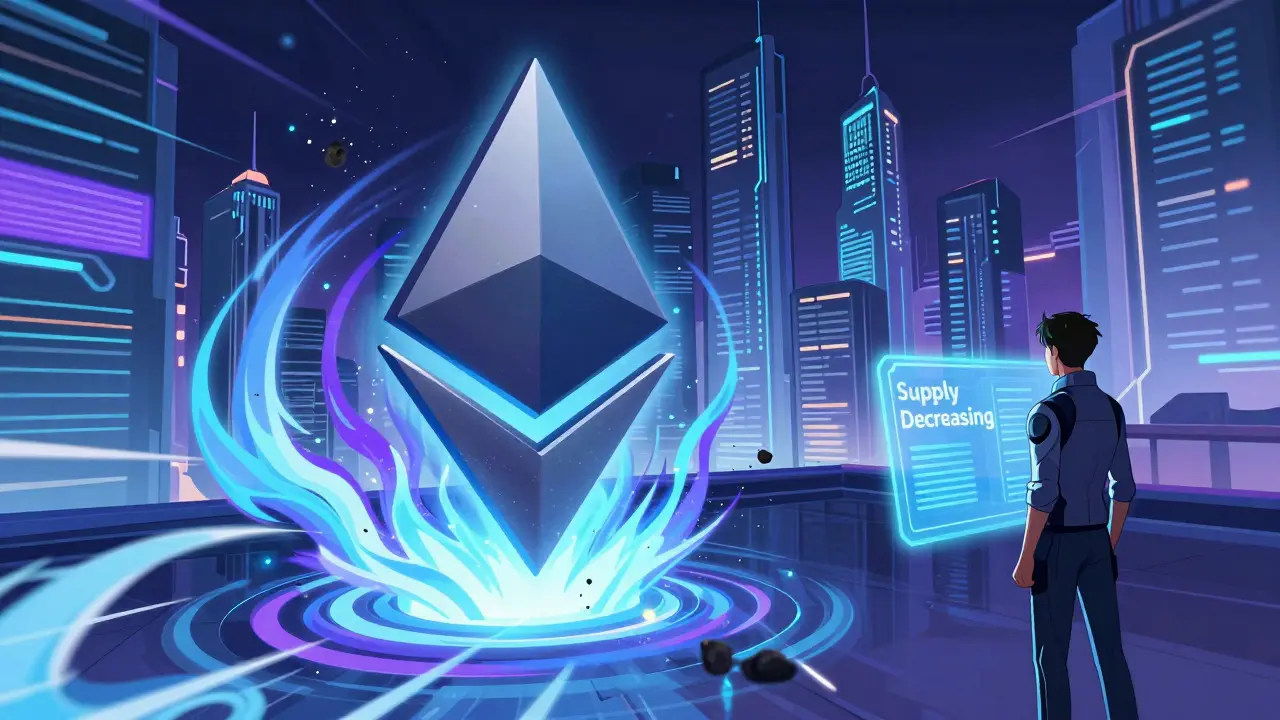
Ethereum used to be purely inflationary-new ETH was constantly created to reward miners. Then came EIP-1559, implemented in August 2021. This change split transaction fees into two parts: a base fee that gets burned (destroyed forever) and a tip that goes to validators. When network activity is high, more ETH is burned than is created. This creates a deflationary pressure.
The results are concrete. As of October 2025, Ethereum has burned over 4.1 million ETH, worth roughly $12.8 billion. This isn't just theory; it's verifiable on-chain data. Why does this matter? Because it aligns the interests of users and holders. When you use the network, you help reduce supply, which can support value. With a Tokenomics Health Score of 92/100, Ethereum sets the bar for how utility can drive scarcity without artificial manipulation.
Binance Coin (BNB): Predictable Scarcity
Sometimes, predictability is more valuable than mystery. Binance Coin, known as BNB, uses a quarterly automated burn mechanism to reduce total supply toward a hard cap of 100 million tokens.
BNB started with a supply of 200 million tokens. Through its 24th burn event in July 2025, the project destroyed over 20.6 million tokens, valued at $10.3 billion at the time. The current supply sits around 128.7 million. Unlike some models that rely on complex algorithms, BNB’s approach is straightforward: every quarter, they calculate the burn amount based on price and block production, then send those tokens to a dead address.
This transparency builds trust. Users know exactly when burns happen and can verify them independently. In a survey from August 2025, 57% of crypto investors prioritized verifiable burn mechanisms when choosing assets. BNB scores 85/100 on Messari’s grading system because it combines clear utility (paying for gas on BNB Chain, trading fee discounts) with a mechanical supply reduction that prevents long-term dilution.
Avalanche (AVAX): Utility-Driven Burns
Avalanche implements a triple-token burn mechanism tied directly to protocol usage, including gas fees, subnet creation, and validator staking.
Avalanche has a hard cap of 720 million AVAX tokens. But what makes its model stand out is how it ties burning to actual network expansion. When developers create new subnets (custom blockchains within Avalanche), they must stake and burn AVAX. Validators also face slashing risks that involve burning. Since launch, about 36% of the initial supply has been burned through these mechanisms.
This creates a direct link between network growth and token scarcity. If more people build on Avalanche, more AVAX is removed from circulation. This avoids the common pitfall where a token burns nothing because no one is using the chain. With an annual circulating supply reduction of 1.2%, Avalanche demonstrates how to make tokenomics work for builders, not just speculators. Its health score of 89/100 reflects this strong alignment.
Solana (SOL): High Throughput, Controlled Inflation
Solana features a declining inflation schedule that drops from 8% to 1.5% over eight years, supporting high-speed transactions at minimal cost.
Solana takes a different approach. Instead of immediate deflation, it uses controlled, decreasing inflation to incentivize validators and secure the network. The maximum supply is 555 million SOL. Currently, inflation sits around 5.1%, but it decays exponentially each year until it hits a 1.5% tail emission. This ensures long-term security while keeping transaction costs incredibly low-around $0.00025 per transaction.
Critics point out that 42.7% of SOL is still held by the foundation and early investors, which raises centralization concerns. However, the sheer volume of usage helps offset this. Solana processes over 65,000 transactions per second and handled 1.2 billion monthly transactions in Q2 2025. The upcoming 'SOL 2.0' proposal aims to introduce fee burning to further reduce inflation. While its health score is 80/100 due to concentration risks, the model proves that high utility can sustain a token even with moderate inflation.
Hyperliquid (HYPE): Community-First Distribution
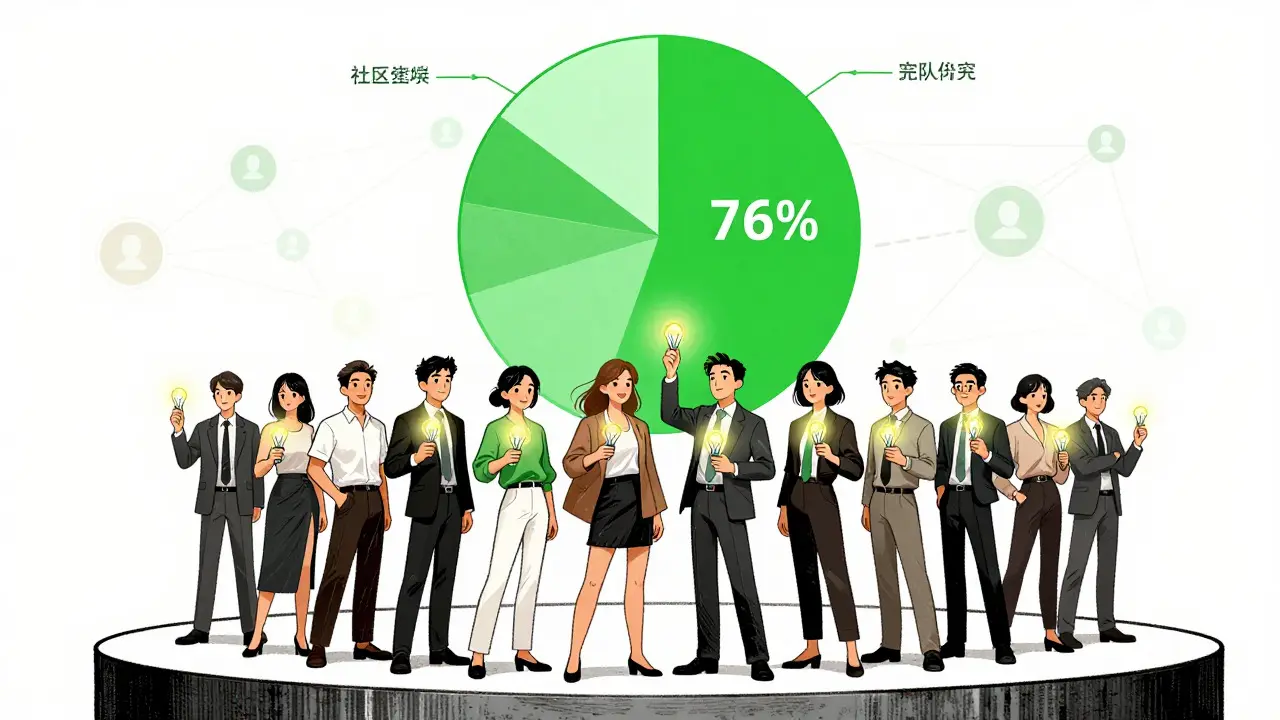
Distribution matters as much as mechanics. Hyperliquid launched with a community-centric distribution model where 76.3% of tokens were allocated to users via airdrop, minimizing venture capital influence.
Many projects fail because teams and VCs hold too much supply, dumping on retail investors later. Hyperliquid flipped this script. Of its 1 billion token cap, 763 million went to users. Only 12% was reserved for the team, and 11.7% for ecosystem development. No VC funding means no pressure to exit quickly.
This structure changed the psychology of the holder base. When most tokens are in the hands of active users rather than distant investors, the community tends to focus on long-term protocol health. This model addresses the #1 complaint from retail investors: unfair vesting schedules. By avoiding heavy VC allocation, Hyperliquid creates a more decentralized power dynamic from day one.
| Token | Health Score | Supply Mechanism | Key Metric |
|---|---|---|---|
| Ethereum (ETH) | 92/100 | Deflationary (Burn Base Fees) | 4.1M ETH Burned |
| Avalanche (AVAX) | 89/100 | Hard Cap + Triple Burn | 36% Supply Burned |
| Binance Coin (BNB) | 85/100 | Quarterly Automated Burns | 20.6M BNB Destroyed |
| Solana (SOL) | 80/100 | Declining Inflation (8% → 1.5%) | 65k TPS / $0.00025 Fee |
| Hyperliquid (HYPE) | N/A | Community Airdrop (76.3%) | Zero VC Allocation |
What Makes Tokenomics "Good"?
Looking at these examples, a pattern emerges. Good tokenomics isn't one-size-fits-all, but it always includes three core elements:
- Transparent Supply Schedules: Users need to know how many tokens exist, how many will be created, and when they unlock. Hidden cliffs or vague vesting periods destroy trust.
- Genuine Utility Loops: The token must be needed to use the product. Whether it’s paying for gas (ETH, SOL), securing the network (AVAX), or accessing services (BNB), demand should come from usage, not speculation.
- Aligned Incentives: Holders, developers, and users should win together. If the team holds 70% of the supply with a 3-month vesting period, they’re incentivized to dump. If 76% goes to users, they’re incentivized to build.
According to Nic Carter of Castle Island Ventures, the industry has shifted from pure inflation control to creating these utility loops. Dr. Garrick Hileman from Blockchain.com adds that burns tied to actual revenue generation are far more sustainable than artificial scarcity.
Pitfalls to Avoid
Not all models succeed. In March 2025, a project collapsed after erasing $850 million in value within 48 hours. Why? Flawed tokenomics: 45% team allocation with only a 3-month vesting period. When tokens unlocked, insiders sold, and the price crashed.
Another red flag is lack of verification. Only 42% of projects provide real-time burn tracking. If you can’t verify the burn yourself, assume it didn’t happen. Always check for:
- Vesting schedules with minimum 12-month cliffs.
- Team allocations under 15% (ideal) or clearly justified larger stakes with long locks.
- Real-time dashboards for burns and emissions.
What is the best tokenomics model for a new project?
There is no single "best" model, but a balanced approach works best. Aim for a hard cap or declining inflation, allocate less than 15% to the team with multi-year vesting, and tie token burns or sinks to actual protocol usage. Hyperliquid’s community-first distribution and Ethereum’s utility-driven burns are excellent references.
Why do some tokens have unlimited supply?
Some tokens, like older versions of Bitcoin or certain stablecoins, may appear uncapped, but most successful modern tokens have caps or strict emission schedules. Unlimited supply often leads to hyperinflation unless there is massive, continuous demand. Projects like Chainlink have uncapped supplies but manage emissions carefully through node operator requirements.
How can I verify if a token burn is real?
Check the blockchain explorer for the specific token. Look for transactions sending tokens to a "burn address" (usually an address starting with 0x000... or ending in 1/dead). Tools like CryptoSlate’s Tokenomics Explorer or project-specific dashboards can also track burn rates in real-time. If a project claims burns but shows no on-chain evidence, be skeptical.
Is deflationary always better than inflationary?
Not necessarily. Deflation can encourage hoarding, reducing liquidity and network activity. Inflation, if controlled (like Solana’s declining rate), rewards validators and keeps the network secure. The key is balance: enough incentive to secure the network, but enough scarcity to maintain value. Ethereum’s hybrid model (burning base fees while emitting rewards) is a prime example of this balance.
What role does vesting play in tokenomics?
Vesting controls when early investors and team members can sell their tokens. Short vesting periods (e.g., 3 months) lead to massive sell pressure and price crashes. Long vesting periods (12+ months with cliffs) align team incentives with long-term project success. Fair distribution, like Hyperliquid’s airdrop, reduces reliance on traditional vesting for community tokens.