Iceland Crypto Mining Energy Crisis: Renewable Power Limits Explained
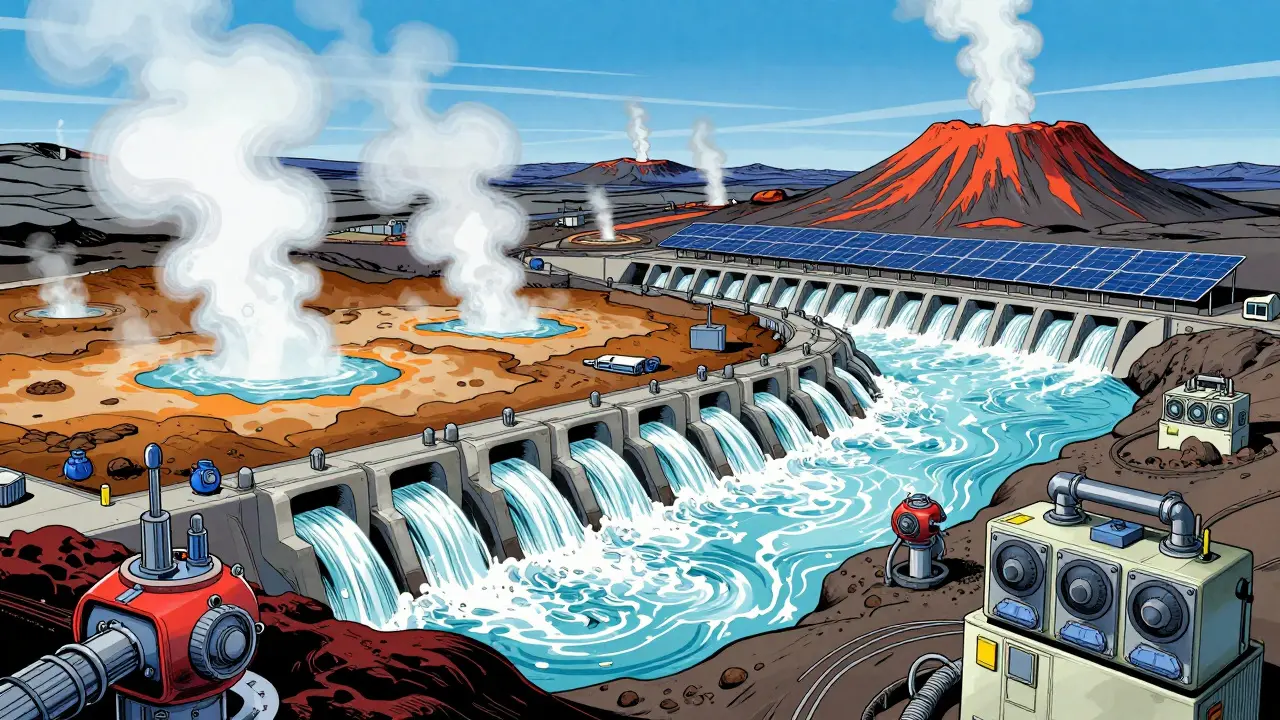
Iceland's National Energy Authority reported that cryptocurrency mining consumed 8% of the nation's total electricity in 2023 - a staggering amount for a country with only 370,000 people. The Iceland crypto mining energy issues have become a critical national dilemma. What happens when a small island nation with abundant renewable energy finds itself stretched thin by a single industry? For Iceland, the answer is clear: the energy allocation issues for crypto mining have reached a breaking point.
Why Iceland became a mining hub
Iceland's natural advantages made it a magnet for crypto miners starting in the early 2010s. Its geothermal energy and hydroelectric power provided 100% renewable electricity at low costs. The cold climate naturally cooled mining equipment, reducing cooling expenses. Plus, Iceland's stable government and transparent regulations offered security. These factors created the perfect storm for crypto mining operations. But now, those same advantages have become limitations as the grid reaches its limits.
Current energy constraints
The National Energy Authority of Iceland confirmed that the country's entire electricity generation capacity is operating near maximum. geothermal energy plants (about 25% of total generation) and hydroelectric power facilities (75%) are running at full tilt. There haven't been any new power plants built in recent years, meaning no new electricity is coming online. According to Hashrate Index analysis from 2024, Bitcoin mining in Iceland is capped at around 120 megawatts. That's a hard ceiling on how much mining can happen. Miners who secured power contracts before 2017 are stuck with their current allocations. New entrants simply can't get enough electricity to start operations.
Government policy shift
Prime Minister Katrín Jakobsdóttir made her stance clear in March 2024: Iceland wants to reduce crypto mining activities. This is a major shift from the country's previous welcoming attitude. The government now sees the energy used by miners as a threat to other priorities. Even though all the mining uses renewable energy, the sheer scale means other sectors lose out. Officials are now focusing on developing the broader blockchain industry - things like secure digital identities or supply chain tracking - instead of energy-heavy Bitcoin mining. This pivot shows policymakers recognize that not all blockchain applications are equal when it comes to energy use.
Impact on mining companies
Existing mining companies like Genesis Mining, Advania Data Centers, and Verne Global are feeling the squeeze. They built their operations during the early days when power was easier to secure. But expansion is nearly impossible. New requests for electricity face indefinite delays. Miners on Reddit and Bitcoin Talk forums report frustration. One miner wrote: "We can't grow, but we also can't shut down - we're stuck." The technical demands of modern ASIC miners like the Antminer S19 XP require consistent high power. With the grid already maxed out, there's simply no room for more. This has turned Iceland from a top mining destination into a place where growth is impossible.
Economic trade-offs
Iceland's government is weighing the costs and benefits of crypto mining versus other industries. aluminum smelting industry - Iceland's traditional energy-intensive industry - uses more electricity than mining but provides stable jobs and predictable revenue. Mining brings in foreign currency but creates few local jobs. Meanwhile, data centers for AI development and hydrogen production for clean energy exports are emerging as alternatives. Government economists point out that every megawatt allocated to mining is a megawatt not used for something else. In a zero-sum game, the choice is clear: prioritize industries that deliver more value per unit of energy.
Future outlook
The future for crypto mining in Iceland looks limited. Industry analysts and government officials agree that significant growth is off the table. Any new electricity capacity, if it arrives before 2030, will likely go to less power-hungry blockchain applications or other industries. Iceland's exploration of a central bank digital currency (CBDC) shows the government's preference for blockchain tech that benefits citizens without massive energy use. Existing mining operations will probably stay profitable due to low energy costs and political stability, but they won't expand. The country is shifting from being a mining hub to a leader in sustainable, low-energy digital innovation.
Why is Iceland restricting cryptocurrency mining?
Iceland's government has shifted its stance due to energy allocation challenges. While cryptocurrency mining contributed 2% to GDP in 2024, the sector consumes 8% of the nation's total electricity. Prime Minister Katrín Jakobsdóttir expressed concerns about the opportunity cost of using renewable energy for mining instead of other industries like aluminum smelting or data centers for AI. The country's power grid is operating at maximum capacity, with no new power plants built in recent years, making it impossible to expand mining operations without sacrificing other critical sectors.
How much electricity does crypto mining use in Iceland?
Cryptocurrency mining consumed approximately 8% of Iceland's total electricity in 2023. With a population of just 370,000, this represents an outsized share of the nation's renewable energy resources. The National Energy Authority confirms this percentage has risen steadily since 2018, with Bitcoin mining alone accounting for 120 megawatts of the grid's capacity.
Can new crypto mining operations start in Iceland today?
Almost no. The grid is operating at full capacity, and the National Energy Authority has halted new power connections for mining operations since 2022. Existing miners with contracts from 2013-2017 can continue, but new entrants face indefinite waiting lists. Industry reports show zero new mining facilities have been approved in Iceland since early 2024 due to grid constraints.
What alternatives is Iceland pursuing for its renewable energy?
Iceland is prioritizing less energy-intensive blockchain applications like central bank digital currencies (CBDCs), supply chain tracking, and digital identity systems. The government also supports data centers for AI research and hydrogen production for clean energy exports. These alternatives create more jobs per megawatt and align better with Iceland's long-term economic goals than Bitcoin mining.
Why is aluminum smelting favored over crypto mining?
Aluminum smelting uses more electricity than crypto mining but provides stable, high-paying jobs and predictable revenue streams. It employs thousands of Icelanders directly and supports related industries like transportation and manufacturing. Crypto mining, by contrast, creates few local jobs and has volatile economics. Government economists calculate that aluminum production delivers 5x more economic value per megawatt than Bitcoin mining.
Michael Sullivan
February 5, 2026 AT 04:318%? Pathetic.
Ryan Chandler
February 6, 2026 AT 23:31Oh my goodness! Iceland's situation is a perfect example of how renewable energy can be both a blessing and a curse! The drama of it all! 🎭
Brittany Coleman
February 8, 2026 AT 06:49Renewable energy allocation is always a tough balance. Iceland's choice makes sense.
Molly Andrejko
February 8, 2026 AT 15:00I think Iceland is making the right choice by focusing on other industries!! Renewable energy is precious, and it's great they're prioritizing sustainable growth!!! :)
Kyle Pearce-O'Brien
February 8, 2026 AT 19:39The very notion of Bitcoin mining in Iceland is a case of 'energy misallocation'-a quintessential example of capitalist inefficiency. We must pivot to quantum blockchain solutions! 💫
Danica Cheney
February 9, 2026 AT 07:07hmm. mining uses energy. but so does everything else. i guess they have to choose. maybe not. 🤷♀️
Paul Gariepy
February 10, 2026 AT 11:17This is such an important issue! Iceland is making the right call by shifting focus to more sustainable industries. I'm so proud of their leadership! But wait, did they consider the environmental impact of aluminum smelting? Hmm... maybe not. But overall, great move! 🌍
Joshua Herder
February 10, 2026 AT 22:19I disagree with the premise. Iceland's mining is sustainable. They're using renewable energy. Why not let them mine? It's their choice. The government is overreacting. This is a classic case of 'not in my backyard' mentality. But I guess they don't get it. It's all about control. Sigh. I'm done.
Reda Adaou
February 11, 2026 AT 07:21I think Iceland's approach is smart. Focusing on blockchain applications that don't use as much energy is the way to go. Let's support innovation without wasting resources.
Nathaniel Okubule
February 11, 2026 AT 17:57Iceland's decision to prioritize other industries over crypto mining is well thought out. It's important to use resources wisely for long-term benefits.
Alex Garnett
February 13, 2026 AT 17:01Iceland's decision is obvious. Crypto mining is a fad. Real nations focus on industries that build real wealth. Aluminum smelting is a proper industry. This is what happens when you let crypto bros take over.
perry jody
February 14, 2026 AT 23:24Awesome article! Let's support Iceland's shift to cleaner tech! 💪
Robin Ødis
February 16, 2026 AT 02:41Well, let me tell you something, folks. Iceland's energy crisis with crypto mining is not just about numbers. It's about values. The government is right to step in. I mean, think about it: 8% of their total electricity for mining? That's insane! And they say it's renewable, but even renewable energy has limits. They should have been more proactive. I've been saying this for years. And the aluminum smelting? Yeah, it's better. It creates jobs. Crypto mining? Just a bunch of people sitting around with computers. Not real industry. But wait, I digress. Let me explain...
Alisha Arora
February 18, 2026 AT 01:338% of Iceland's power for mining? That's ridiculous. They should shut it all down.
Matthew Ryan
February 19, 2026 AT 02:28Makes sense. They need to focus on industries that create more jobs. Aluminum smelting is better for the economy.