Multigame Airdrop Details: Super NFTs, IDO Tickets & Reality Check
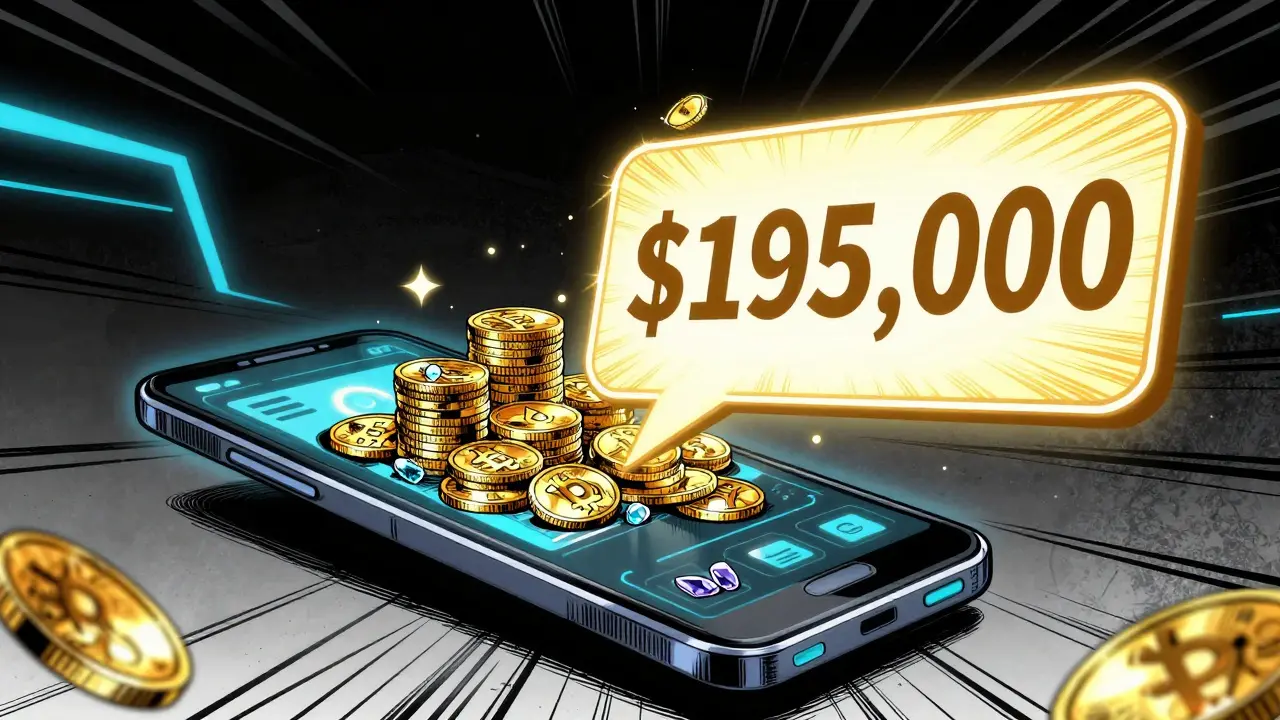
Imagine logging into your wallet and finding a notification that promises you a slice of $195,000 in profits just for holding a specific NFT. It sounds like the dream scenario every crypto gamer has been waiting for. That is exactly what the buzz around the Multigame airdrop suggests. The project claims to offer Super NFTs and Initial DEX Offering (IDO) tickets worth up to 10,000 $BUSD, targeting a select group of 500 participants.
But here is the catch: while the numbers look flashy on paper, the details are dangerously thin. In the world of blockchain gaming, silence from a development team is often louder than their marketing hype. Before you connect your wallet or buy any qualifying assets, we need to strip away the gloss and look at what is actually there-and more importantly, what is missing.
What Is the Multigame Airdrop Really Offering?
To understand if this opportunity is worth your time, we first have to define what Multigame is trying to do. According to listings on platforms like AirdropAlert.com, Multigame positions itself as a blockchain gaming platform. The core of their current promotion revolves around two main assets: Super NFTs and IDO tickets.
The promise is straightforward but aggressive. They claim a total prize pool involving 10,000 $BUSD (a stablecoin pegged to the US Dollar) and an additional potential profit of $195,000 derived from "NFT Boxes." This structure mimics the "loot box" mechanics seen in traditional video games, where users pay for a chance to win rare digital items. In this case, those items could theoretically be traded or used within the Multigame ecosystem to generate further value.
However, the qualification criteria are strict. Only 500 participants can join this specific round. To get in, you reportedly need to own designated IDO-qualifying assets. This creates a barrier to entry that filters out casual players and targets experienced traders who already hold specific tokens or NFTs. But here is the problem: the exact nature of these required assets is not clearly defined in public documentation. Without knowing precisely which token or NFT qualifies you, the risk of buying the wrong asset-and losing money-skyrockets.
The Red Flags: Why Silence Speaks Volumes
In the crypto space, transparency is currency. If a project wants serious investment and user adoption, it provides clear roadmaps, whitepapers, and active community engagement. When we look at Multigame, we see a stark contrast to established projects like Sorare or The Sandbox.
- No Technical Documentation: There is no public smart contract audit, no detailed protocol architecture, and no clear explanation of how the "NFT Boxes" generate the promised $195,000 in profit. How does the math work? What is the source of liquidity?
- Missing Community Presence: Major crypto forums like Reddit and Twitter are quiet regarding Multigame. Unlike projects such as RavenIdle or Bloodloop, which generated substantial discussion and user testimonials, Multigame lacks visible user feedback. No reviews on Trustpilot, no active Discord debates, nothing.
- Absence from Top Lists: Reputable tracking sites like CoinGecko, Gate.com, and Koinly publish comprehensive lists of upcoming airdrops. Multigame is notably absent from these vetted lists. Its presence is limited to aggregator sites like AirdropAlert, which list opportunities but do not necessarily verify their legitimacy.
This lack of information is not just an inconvenience; it is a significant risk factor. In 2025, the regulatory environment for crypto airdrops has tightened considerably. Projects that operate in the shadows without clear utility or team disclosure are often flagged by analysts as high-risk or potentially fraudulent.

Comparing Multigame to Established Gaming Airdrops
To put the Multigame offering into perspective, let's compare it with other well-documented gaming airdrops from the same period. Understanding the difference between a legitimate launch and a speculative gamble requires looking at concrete data points.
| Feature | Multigame | Sorare | The Sandbox |
|---|---|---|---|
| Prize Pool / Value | $10k BUSD + $195k Potential | $400M+ Secondary Sales | Alpha Season Rewards |
| Participant Limit | 500 Users | Open to thousands | Open to thousands |
| Documentation | Limited/Unclear | Extensive Whitepaper | Detailed Roadmap |
| Community Feedback | None Found | Thousands of Reviews | Active Forums |
| Risk Level | High (Speculative) | Medium (Market Volatility) | Low-Medium (Established) |
As you can see, Sorare and The Sandbox have years of operational history, millions of users, and transparent financial metrics. Multigame, by comparison, offers a high-reward promise with zero verifiable track record. The $195,000 "potential profit" figure is particularly suspicious because it relies on future market conditions and unspecified game mechanics that have not been demonstrated to the public.
How Do These Airdrops Typically Work?
If you are still considering participating, it is crucial to understand the standard mechanics of gaming airdrops so you know what to watch out for. Most legitimate airdrops follow a predictable pattern designed to reward early adopters and build liquidity.
- Qualification Phase: Users must perform specific actions, such as holding a certain token, minting an NFT, or playing a testnet version of the game. For Multigame, this involves owning "IDO-qualifying assets," but the specifics are vague.
- Snapshot: The project takes a snapshot of all eligible wallets at a specific block height. This determines who gets rewards.
- Distribution: Tokens or NFTs are sent directly to eligible wallets. In Multigame's case, this might involve receiving Super NFTs or access keys to open NFT boxes.
- Vesting or Unlocking: Often, rewards are not immediately liquid. They may be locked for a period (vesting) to prevent immediate sell-offs that crash the token price. Multigame has not disclosed any vesting schedule.
The danger with Multigame lies in step one. If the requirements are unclear, you might spend money buying assets that never qualify. Furthermore, the "NFT Box" model introduces gambling-like elements. You are not guaranteed the $195,000; you are given a *chance* at it. Without knowing the odds or the underlying asset values, this is pure speculation.
Safety First: Protecting Your Assets
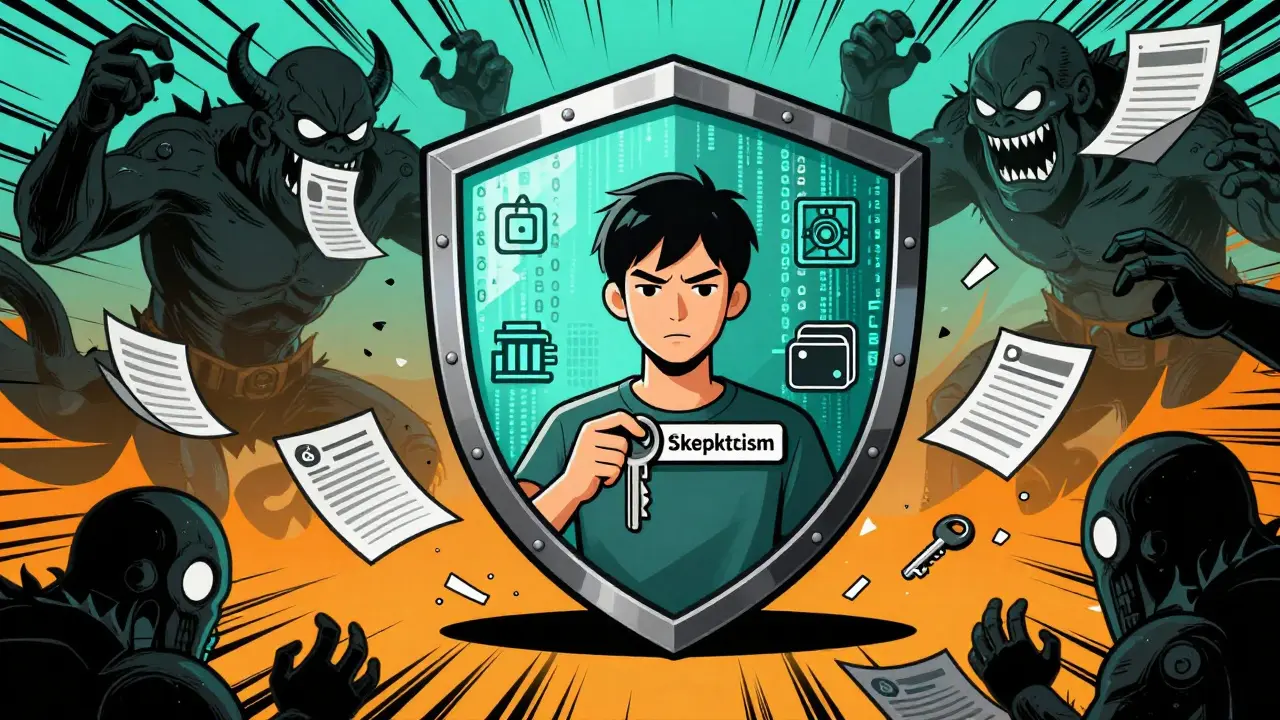
Whether you decide to participate or stay away, protecting your digital assets is non-negotiable. The crypto landscape in 2026 is filled with sophisticated scams designed to exploit FOMO (Fear Of Missing Out). Here are practical steps to ensure your safety.
- Use a Burner Wallet: Never connect your primary wallet-the one holding your life savings-to unknown or unverified dApps. Use a separate hardware wallet or a fresh software wallet with minimal funds.
- Verify Contract Addresses: Always double-check the official contract addresses from multiple trusted sources. Scammers often create fake websites with similar URLs to trick users into sending funds to the wrong address.
- Check Revoked Permissions: After interacting with any new platform, use tools like Revoke.cash to check if you have granted unnecessary spending allowances to their smart contracts. This prevents hackers from draining your wallet later.
- Skepticism is Key: If an offer seems too good to be true-like $195,000 in profit for simply holding an NFT-it probably is. Legitimate projects focus on sustainable growth, not overnight riches.
Is Multigame Worth the Risk?
Let's be direct. Based on the available evidence, Multigame presents a high-risk profile. The combination of limited participant slots, vague qualification criteria, absence from reputable tracking lists, and lack of community engagement raises serious concerns. While the potential payout sounds attractive, the probability of realizing that value is uncertain at best.
In the broader context of the 2025-2026 gaming airdrop market, projects like Parallel Game, Aavegotchi, and even newer entrants like Backwoods have provided clearer roadmaps and more transparent communication. Multigame falls short in these critical areas. For most users, especially those new to crypto gaming, the safer bet is to stick with established platforms that have proven their integrity over time.
If you are an advanced trader willing to gamble small amounts on speculative assets, you might find a niche opportunity here. But remember: you are betting on hope, not data. Always invest only what you can afford to lose completely.
What exactly is the Multigame Super NFT?
The Multigame Super NFT is a digital collectible issued by the Multigame platform. According to promotional materials, owning this NFT grants eligibility for an IDO ticket opportunity. However, specific technical details about its utility, rarity, or secondary market value are not publicly documented in authoritative sources.
How do I qualify for the Multigame airdrop?
Qualification reportedly requires owning specific "IDO-qualifying assets." Unfortunately, the exact type of asset (token or NFT) and the quantity needed are not clearly specified in public documentation. This ambiguity makes it difficult to confirm eligibility without risking funds on unverified purchases.
Is the $195,000 profit guarantee real?
No, it is not a guarantee. The figure represents "potential profit" from NFT boxes, which implies a variable outcome based on luck or market performance. There is no evidence provided by Multigame to substantiate how this profit is generated or distributed, making it a speculative claim rather than a fixed reward.
Why isn't Multigame listed on major crypto sites like CoinGecko?
Major platforms like CoinGecko, Gate.com, and Koinly apply strict vetting processes for listing projects. Multigame's absence suggests it may lack the necessary transparency, security audits, or community traction required for inclusion. This often indicates a higher risk profile compared to listed alternatives.
Can I trust AirdropAlert.com listings for Multigame?
AirdropAlert.com aggregates airdrop opportunities but does not endorse or verify them. Their listing confirms the existence of the promotion but does not validate its legitimacy. Users should always conduct independent due diligence before participating in any airdrop found on aggregator sites.
Terry Hyland
June 16, 2026 AT 05:00These crypto scams are evil. They prey on poor people who want money. It is wrong to make games that are just gambling in disguise. The developers are criminals hiding behind code. We need to shut this down before more families lose their savings. It makes me sick to see how easy it is for bad actors to steal from honest workers.
Monica Pathammavong
June 16, 2026 AT 08:15look at the table again its obvious multigame is a rug pull waiting to happen why would anyone trust them with zero audits? i mean come on even my grandma knows better than to put funds into an unverified contract
you guys are sleeping on the red flags here its not hard to see they have no community presence which means they are probably running this from a basement somewhere trying to drain wallets
Tim Lefebvre
June 16, 2026 AT 13:08hey everyone just wanted to say if you do decide to play around with this make sure you use a burner wallet like the article says
i learned that the hard way back in 2021 when i connected my main wallet to some sketchy dapp and lost everything so yeah keep your main funds safe and dont connect unless you really trust the project which i dont think we should here
Manish Prajapat
June 16, 2026 AT 22:51The comparison with Sorare and The Sandbox is very telling. Established projects have years of data and active communities. Multigame has neither. In philosophy, we often discuss the nature of value. Value comes from consensus and utility. Here there is only hype and silence. Silence is not golden in crypto it is dangerous. One must question the source of the promised liquidity. If the math does not add up publicly then it likely does not add up at all.
John Doe
June 17, 2026 AT 00:34I can feel the frustration in this thread and honestly I get it. It hurts to see people get burned by these vague promises. But let us be clear about what is happening here. This is not investing. This is gambling with extra steps. The $195k figure is a mirage designed to trigger FOMO. Please protect yourselves. Do not let greed blind you to the lack of basic transparency. Your financial health matters more than a speculative NFT box.
Eric Scheinberg
June 18, 2026 AT 21:18It is imperative to analyze the structural deficiencies of this proposal. The absence of a whitepaper or technical documentation is not merely an oversight but a critical failure of due diligence standards. Furthermore the lack of smart contract audits suggests a high probability of malicious intent or incompetence. Investors should exercise extreme caution and avoid allocating capital to entities that fail to meet basic regulatory and transparency benchmarks.
pankaj chawla
June 19, 2026 AT 23:16I agree completely with the analysis here. The risk is too high for such little information. Why would a legitimate project hide their details? It makes no sense. We should support projects that are open and honest. Let the devs know we want transparency not empty promises.
Jessica Lane
June 21, 2026 AT 00:33This is a crucial discussion for our community. We must empower ourselves with knowledge before engaging with any new platform. The article highlights significant gaps in Multigame's disclosure practices. I encourage everyone to review the safety tips provided. Using a burner wallet is a simple yet effective strategy. Let us prioritize security over speculation. Are there other platforms you consider safer alternatives?
Charles Pawlikowski
June 22, 2026 AT 16:26Typical foreign scam targeting americans 😡 These guys need to stay out of our economy. We have enough problems without crypto thieves draining our wallets. Support local businesses not these digital ponzi schemes. It is disgusting how they try to exploit our trust. Ban them all 🚫
Andrea Burd
June 24, 2026 AT 11:35ugh another airdrop post seriously? i already know its a scam why do i have to read all this fluff? the writing is so pretentious and boring. just tell me its trash and move on. i dont have time for your long explanations about nft boxes whatever. typical reddit noise
Akeem Whittaker
June 24, 2026 AT 19:43We need to look at the mechanics closely. The qualification criteria are vague which is a major red flag. As someone who has been in this space for years I can tell you that clarity is key. If they cannot explain how the profit is generated then they are likely lying. Do not fall for the hype. Stick to verified projects with clear roadmaps. Protect your assets at all costs.
Mekz Wheoki
June 25, 2026 AT 16:47Oh look another victim waiting to happen. You people are so gullible. $195k for holding an NFT? Really? Did you forget how economics works? Or did you just skip that part of life? The fact that you are even considering this is pathetic. Wake up sheeple. The dev team is laughing at you right now while counting their profits from your ignorance.
Skm Shubham
June 27, 2026 AT 01:18The data presented clearly indicates a fraudulent operation. The lack of community engagement is statistically anomalous for a project claiming such high rewards. It is evident that the creators are aware of the risks and are deliberately obscuring the truth. This is a classic pump and dump scheme disguised as gaming. Avoid at all costs.
Rob Aronson
June 27, 2026 AT 11:46From a DeFi perspective the tokenomics here are non-existent. There is no vesting schedule no liquidity lock and no audit trail. This is essentially a honeypot waiting to trap users. Always check revokes.cash after interacting with unknown contracts. Do not grant unlimited approvals. Stay safe out there 🛡️💎
Kwon Bill
June 28, 2026 AT 17:56In many Asian markets we see similar patterns with unregulated ICOs. The key difference is that successful projects build trust through consistent communication and verifiable milestones. Multigame fails on both fronts. The cultural expectation of transparency is ignored here. Proceed with extreme caution as the regulatory landscape is tightening globally.
Danna Charris
June 29, 2026 AT 15:16Clearly a waste of time. The presentation is amateurish and the claims are baseless. True value requires substance not hype. I suggest focusing on established platforms with proven track records. Anything less is merely speculation dressed up as opportunity. Save your energy for something worthwhile.
Fede Faith
June 30, 2026 AT 03:06I am glad this article came out. It is so important to shine a light on these shady projects. I always tell my friends to DYOR before connecting their wallets. The advice about using a burner wallet is spot on. Keep calm and stay safe. We got this 💪✨
Josh Dodson
July 1, 2026 AT 04:56great writeup thanks for sharing! i totally agree with the points about transparency. its scary how many scams are out there right now. just remember to keep your keys safe and never share them. lets support good projects and ignore the bad ones. you got this! 🔥