Namibia Banking Restrictions on Crypto: What You Need to Know

Imagine walking into a bank in Windhoek with your Bitcoin wallet open, only to find your account frozen because you tried to buy a coffee with digital currency. Sounds extreme? It’s the reality for many Namibians navigating the country's strict Namibia banking restrictions on crypto transactions. While the rest of the world debates whether crypto is money or property, Namibia has taken a cautious, often confusing path. The central bank doesn't recognize it as legal tender, yet new laws are trying to regulate it. If you're an investor, a trader, or just someone curious about digital assets in this Southern African nation, understanding these rules isn't optional-it's essential to keep your money safe.
The Historical Stance: Why the Bank of Namibia Said "No" Initially
To understand where we are today, you have to look back at 2018. That year, the Bank of Namibia (BON), the country's central bank, issued a stark warning. They declared that cryptocurrency was not legal tender and explicitly stated they did not support trading it on any financial market. The message was clear: if you lose money in crypto, don't come crying to the bank. BON spokespersons noted that members of the public engaging in these transactions had "no recourse" in case of financial loss.
This wasn't just bureaucratic caution; it was a protective measure. In 2018, the global crypto market was volatile, and regulators worldwide were scrambling to catch up. BON opposed using cryptocurrencies as a payment method for goods and services. For years, this stance created a chilling effect. Banks like Nedbank and Standard Bank became wary of accounts linked to crypto activity, sometimes restricting them without much explanation. Individuals involved in investment clubs found their access to traditional banking services suddenly limited. It felt less like regulation and more like prohibition by proxy.
The Shift: The Virtual Assets Act of 2023
Fast forward to June 2023. The political wind shifted. The National Assembly passed the Virtual Assets Act of 2023 (Act No. 10 of 2023). This legislation marked a significant pivot from outright opposition to controlled acceptance. Signed into law in July 2023, this act didn't make crypto legal tender overnight, but it did create a framework for regulating it. The goal was to bring virtual asset service providers (VASPs) under the watchful eye of the Namibia Financial Institutions Supervisory Authority (NAMFISA).
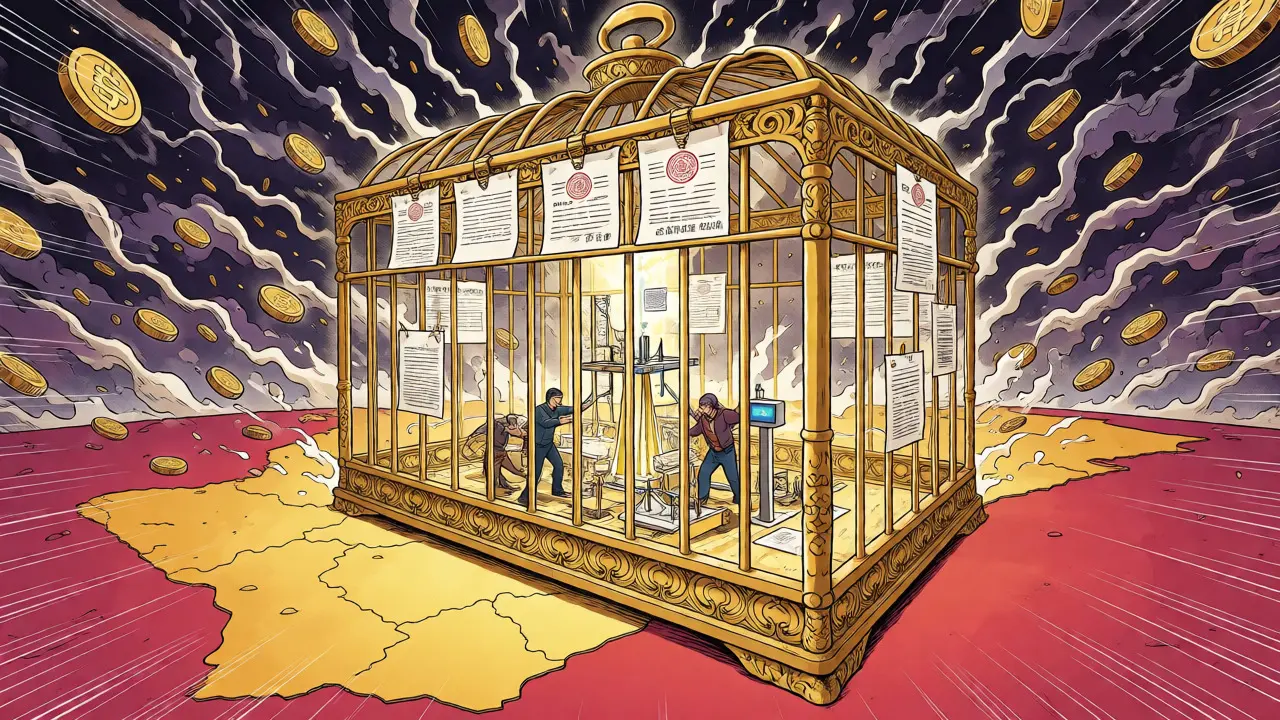
The Act requires all VASPs operating in Namibia to register and obtain a license. It also banned exchanges not based in Namibia, aiming to keep capital within the country and ensure local oversight. But here’s the catch: while the law allows for regulated businesses, it doesn't necessarily legalize the casual use of Bitcoin for daily purchases in the way El Salvador did. It’s a regulatory sandbox approach-letting the industry grow, but only inside a very tight cage.
Licensing Woes: The Provisional Authorization Reality
If you think passing a law means businesses can immediately start trading, think again. The implementation phase has been slow and rigorous. In January 2025, BON granted provisional authorizations to three companies: Landifa Bitcoin Trade CC, United PayPoint (Pty) Ltd, and Mindex Virtual Asset Exchange. These aren't full licenses. They are temporary permissions valid for six months, during which these companies cannot actually conduct business with the public.
Why the delay? BON spokesperson Kazembire Zemburuka explained that these entities must use this time to build infrastructure, hire staff, and implement compliance systems. It’s a due diligence period. Two of these three companies requested extensions beyond their initial deadlines, pushing their potential launch dates into mid-2025. This highlights how seriously the regulator takes the stability of the financial system. They aren't rushing to let unproven entities flood the market.
| Entity Name | Provisional Status | Extension Deadline | Operational Status |
|---|---|---|---|
| Landifa Bitcoin Trade CC | Granted Jan 2025 | July 31, 2025 | Pending Full Approval |
| United PayPoint (Pty) Ltd | Granted Jan 2025 | May 13, 2025 | Pending Full Approval |
| Mindex Virtual Asset Exchange | Granted Jan 2025 | November 21, 2025 | Pending Full Approval |
What This Means for Individual Users
So, what does this mean for you, the average Namibian holding some Bitcoin or Ethereum? Technically, trading remains in a gray area. BON maintains that crypto is not legal tender. However, the existence of the Virtual Assets Act suggests that holding and trading through licensed entities will eventually be safer and more transparent.
But beware of the banking side effects. Legal practitioners have reported cases where individuals’ bank accounts were restricted simply because their transaction patterns looked like crypto activity. Since BON lacks direct law-making powers, it relies on existing financial intelligence laws to monitor flows. If your bank sees frequent transfers to unknown foreign wallets, they might flag your account for further review. This isn't always a ban, but it can cause significant friction when you try to withdraw cash or pay bills.
The key takeaway here is risk management. Don't keep your entire life savings in a bank account that might get flagged. Keep records of your crypto transactions. If you’re part of an investment club, ensure the club operates transparently. Transparency is your best defense against arbitrary banking restrictions.

Compliance and the Travel Rule
Namibia hasn't gone rogue; it’s aligning with international standards. A major component of the new regulatory framework is the implementation of the Travel Rule. This rule, recommended by the Financial Action Task Force (FATF), requires VASPs to collect and share sender and receiver information for transactions exceeding NAD 20,000 (roughly USD 1,000).
Under this rule, if you send more than NAD 20,000 in crypto, the exchange must know who you are sending it to and who sent it to you. This includes names, ID numbers, and account details. It’s designed to combat money laundering and terrorist financing. For users, this means anonymity is largely dead for larger transactions. You can’t just hop on a peer-to-peer network and move large sums without leaving a paper trail that ends up with NAMFISA.
Future Outlook: Is Namibia Ready for Crypto?
As of late 2025, Namibia stands at a crossroads. The regulatory framework is in place, but the operational reality is still being built. The success of the provisional licensing system will determine if Namibia becomes a regional hub for regulated crypto activity or remains a restrictive outlier.
The Payment System Management Act of 2023 works alongside the Virtual Assets Act to provide comprehensive oversight. This dual approach shows that the government wants to integrate fintech innovations without losing control over monetary policy. They are reluctant to allow blockchain technology broadly, preferring a supervised entry.
For investors, patience is required. The market isn't fully open yet. The banks are watching closely. And the central bank is testing the waters with a few selected players. If these companies succeed in meeting compliance standards, we might see a gradual easing of restrictions. If they fail, expect tighter controls.
Is Bitcoin legal tender in Namibia?
No, the Bank of Namibia does not recognize Bitcoin or other cryptocurrencies as legal tender. While merchants may accept it voluntarily, it is not officially backed by the state as a medium of exchange for settling debts.
Can I use my Namibian bank account for crypto trading?
Yes, but with caution. Some banks may restrict accounts if they detect high volumes of crypto-related transactions. It is advisable to inform your bank of your activities and maintain clear records to avoid sudden freezes.
What is the Virtual Assets Act of 2023?
It is legislation that establishes a regulatory framework for virtual asset service providers (VASPs) in Namibia. It requires these providers to register with NAMFISA and comply with anti-money laundering laws.
Are crypto exchanges banned in Namibia?
Exchanges not based in Namibia are banned from offering services to Namibian residents. Local exchanges must obtain a license from NAMFISA to operate legally.
What happens if I lose money in crypto in Namibia?
The Bank of Namibia has stated that consumers engaging in crypto transactions do so at their own risk. There is no central bank guarantee or insurance for losses incurred through cryptocurrency investments.