PolkaWar (PWAR) Airdrop on CoinMarketCap: Details, History, and Current Status
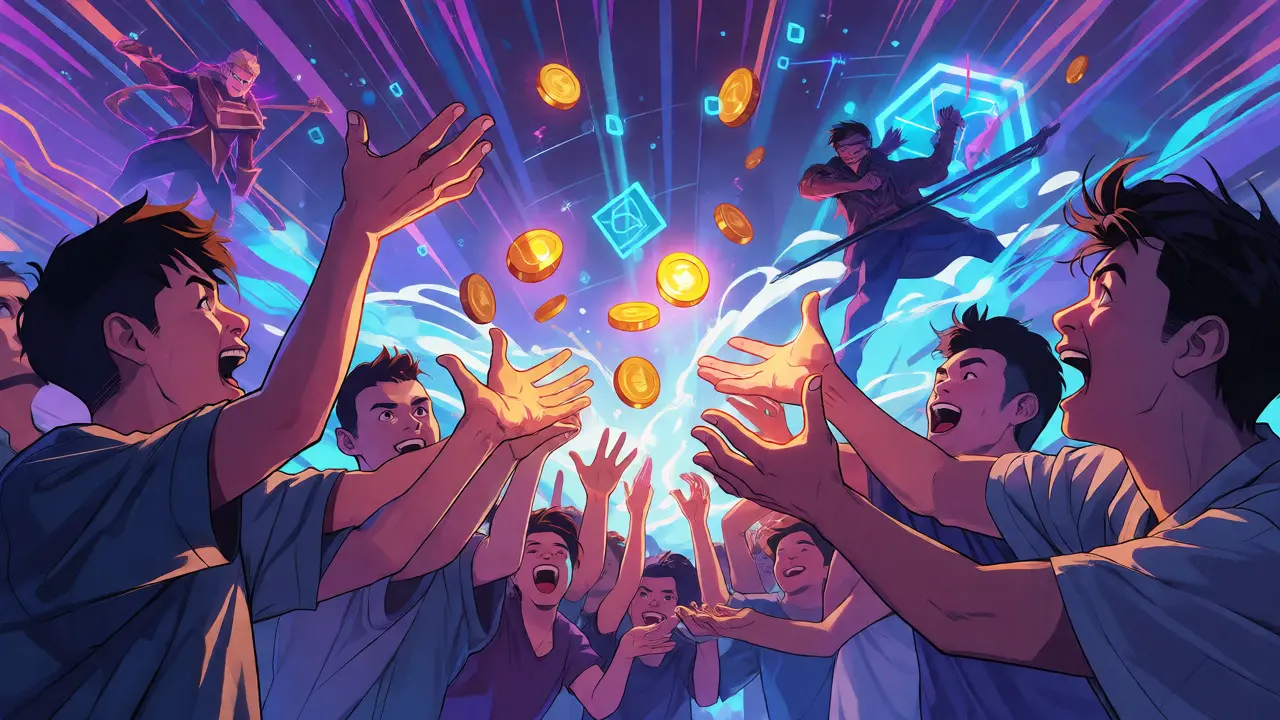
Remember the rush of free crypto? For many, that thrill peaked around 2021-2022 when platforms like CoinMarketCap hosted high-profile airdrops. One such event featured PolkaWar, a cross-chain fighting game trying to carve out its niche in the crowded GameFi sector. If you missed it or are wondering what happened to those tokens, you're not alone. The story of the PolkaWar airdrop is a classic case study in crypto hype versus long-term reality.
The PolkaWar Project Overview
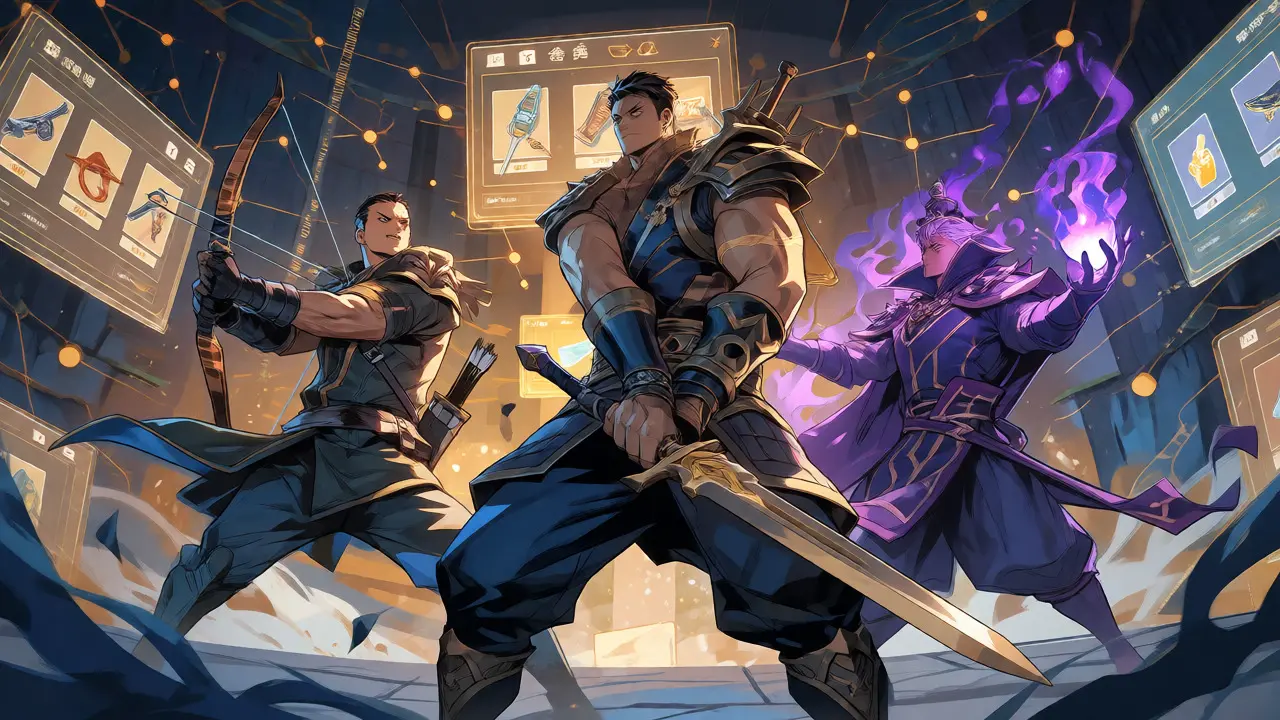
PolkaWar is a decentralized, cross-chain NFT-based competitive fighting game. It launched initially on the Binance Smart Chain (BSC) to leverage low transaction fees and fast processing times, with ambitious plans to expand into the Polkadot ecosystem. The game lets players develop characters-Warriors, Archers, or Magicians-and engage in combat using various weapons like Swords, Bows, Guns, and Magic Vases.
The project wasn't just about fighting; it integrated three core components:
- PolkaWar Realm: The main gameplay area where users battle and level up.
- PolkaWar NFT Marketplace: A hub for trading in-game items, equipment, and characters as non-fungible tokens.
- PolkaWar Logistics: An innovative service offering physical delivery of real-world replicas of digital NFT assets.
This structure aimed to bridge the gap between digital ownership and tangible rewards, a concept that sounded promising during the height of the NFT boom.
Details of the CoinMarketCap Airdrop Campaign
The specific airdrop you’re asking about was a promotional initiative hosted by CoinMarketCap. These campaigns were designed to boost visibility for projects by distributing free tokens to engaged users. The PolkaWar campaign offered participants the chance to win up to 75 PWAR tokens each.
While exact dates can be fuzzy due to the rapid pace of crypto news cycles, this campaign occurred roughly 3-4 years ago, placing it squarely in the era of aggressive marketing for new blockchain games. The total value of the airdrop pool was estimated at $30,000. This might sound small now, but in the context of early-stage project marketing, it was a strategic move to build an initial community and drive traffic to the project’s website and social channels.
Participation usually required simple tasks: following social media accounts, joining Telegram groups, or verifying wallet addresses. It was a low-barrier entry point for retail investors looking to get exposure to emerging GameFi tokens without risking capital.
Current Market Performance and Tokenomics
Fast forward to today, September 15, 2026. How did those free tokens fare? The picture is stark. PWAR currently trades at extremely low valuations, hovering around $0.00204 USD according to CoinMarketCap data. This represents a massive decline from its all-time high of approximately $1.19, meaning the token has lost over 99% of its peak value.
Here’s a snapshot of the current market state:
| Metric | Value | Notes |
|---|---|---|
| Live Price | $0.00204 USD | Subject to high volatility |
| 24-Hour Volume | ~$40,670 USD | Indicates limited active trading |
| Circulating Supply | 82.82 Million PWAR | 82.82% of max supply |
| Max Supply | 100 Million PWAR | Fixed cap |
| All-Time High | $1.199606 | Down >99% from ATH |
| Market Rank | #2931 (CMC) | Low liquidity tier |
The circulating supply stands at 82.82 million tokens out of a maximum of 100 million. While most tokens are already in circulation, the low market capitalization (ranging between $50k and $160k depending on the source) suggests that the project has struggled to maintain sustained investor interest. Trading volumes are thin, often fluctuating between $20k and $40k daily, which makes large trades prone to significant slippage.
Why Did the Price Drop So Dramatically?
You might wonder why a project with a functioning game and NFT marketplace saw such a steep decline. Several factors contributed to this outcome:
- Market Cycles: The broader cryptocurrency market went through severe bearish phases after 2021. Gaming tokens, being speculative assets, often suffered disproportionately during downturns.
- Competition: The GameFi sector exploded with competitors. Projects like Axie Infinity, StepN, and later, more sophisticated RPGs, captured user attention and capital, leaving smaller projects like PolkaWar struggling for visibility.
- Execution Challenges: While the roadmap promised cross-chain expansion to Polkadot, delays in full deployment or lack of major updates can erode community trust. Investors tend to exit if they don't see consistent development milestones.
- Sustainability Issues: Many early play-to-earn models relied on new player inflows to pay existing players. When growth slowed, token emissions outpaced demand, leading to inflationary pressure and price drops.
It’s worth noting that data discrepancies exist across exchanges. Some regional Binance platforms report slightly different prices ($0.000599 to $0.001948), highlighting the fragmented nature of low-cap asset trading.
Is PolkaWar Still Relevant in 2026?
Relevance in crypto isn't just about price; it's about utility and community. Does PolkaWar still have a pulse? The project continues to operate, maintaining its presence on BSC and attempting to integrate further into the Polkadot ecosystem. However, the activity levels suggest it has moved from a "hot new thing" to a niche community project.
The integration of NFTs remains a key feature. Players can still trade equipment and characters on the marketplace. The logistics component, offering physical replicas, is a unique angle that few competitors replicate effectively. But without major breakthroughs in gameplay quality or new partnerships, it faces an uphill battle to regain its former glory.
For those who received the airdrop, holding onto the tokens has been a lesson in patience-or perhaps regret. Those who sold near the highs likely secured profits, while holders have seen their portfolios shrink significantly. This underscores a critical rule in crypto: airdrops are marketing tools, not guaranteed investments.
Lessons from the PolkaWar Airdrop
If you’re participating in future airdrops, keep these takeaways in mind:
- Do Your Own Research (DYOR): Don’t just grab free tokens. Look at the team, the whitepaper, and the actual product. Was the game fun? Were the mechanics sustainable?
- Understand Vesting Schedules: Sometimes, airdropped tokens are locked or released gradually. Check the terms to avoid surprises.
- Consider Tax Implications: In many jurisdictions, airdropped tokens are taxable income upon receipt. Keep records of the fair market value on the day you received them.
- Diversify: Don’t put all your eggs in one basket. Airdrops should complement a diversified portfolio, not define it.
The PolkaWar story serves as a reminder that hype fades, but fundamentals matter. Projects that survive long-term are those that deliver continuous value, whether through engaging gameplay, strong communities, or robust technology.
Frequently Asked Questions
How many PWAR tokens could I win in the CoinMarketCap airdrop?
Participants in the CoinMarketCap PolkaWar airdrop campaign had the opportunity to win up to 75 PWAR tokens each. The total value of the prize pool was approximately $30,000.
What is the current price of PolkaWar (PWAR)?
As of September 2026, PolkaWar (PWAR) trades at approximately $0.00204 USD on CoinMarketCap. Prices may vary slightly across different exchanges due to lower liquidity and regional differences.
Did PolkaWar reach its all-time high?
Yes, PolkaWar reached an all-time high of approximately $1.199606. Since then, the token has experienced a significant decline, losing over 99% of its peak value due to market conditions and project-specific challenges.
Is PolkaWar still active?
Yes, PolkaWar remains active with its game, NFT marketplace, and logistics services. However, trading volumes and community engagement are significantly lower compared to its peak periods, indicating a shift to a niche status within the GameFi sector.
Where is PolkaWar deployed?
PolkaWar was initially launched on the Binance Smart Chain (BSC) for low fees and fast transactions. The project has plans for deployment on Polkadot and other blockchains to enhance cross-chain compatibility, though BSC remains the primary operational chain.
Jacquelyn Miller
September 17, 2026 AT 07:13Oh, the sweet scent of nostalgia... and regret. It’s fascinating how we cling to these digital artifacts as if they hold some profound truth about our worth. We were promised a revolution in gaming, a cross-chain utopia where swords and magic vases held tangible value, yet here we are, staring at a chart that looks like a cliff dive into oblivion. Is it the market? The execution? Or was it simply the hubris of believing that 'free' meant 'valuable'? I suspect it’s the latter. We traded our attention for tokens that evaporated like morning dew, leaving us with nothing but empty wallets and full hearts of cynicism. It’s almost poetic, in a tragic, capitalist sort of way.
Zayda Hayes
September 18, 2026 AT 02:45I completely agree with the sentiment regarding the educational aspect of this experience.
It is crucial for newcomers to understand that airdrops are primarily marketing strategies rather than investment opportunities.
If you look closely at the tokenomics, the inflationary pressure caused by new player inflows drying up is a classic failure mode in Play-to-Earn models.
I would recommend checking the vesting schedules carefully next time, as locked tokens can sometimes create artificial scarcity that disappears once unlocked.
Also, please remember to keep records of the fair market value on the day of receipt for tax purposes, as this often catches people off guard during filing season.
Let's continue to learn from these cycles together!
Gary Schneeberger
September 19, 2026 AT 11:39Wow, another GameFi project that thought slapping an NFT logo on a mediocre RPG would print money. Groundbreaking. The fact that anyone actually held onto this for three years shows either incredible patience or a severe lack of reading comprehension regarding whitepapers. "Cross-chain expansion" usually translates to "we ran out of money before finishing the code." But hey, at least the physical delivery service was a cute gimmick while the ship sank. Truly inspiring stuff for the discerning investor who knows better than to follow the herd into a slaughterhouse.
vanessa bulos
September 19, 2026 AT 17:53LITERALLY CRYING right now. 😭😭😭 Who remembers when $30k was considered a "strategic move"?? That was peanuts then and it’s crumbs now! I feel so betrayed by the universe. Why do we always fall for the shiny objects?? I followed the Telegram, I joined the Discord, I did ALL the tasks for my 75 PWAR and what did I get?? A lesson in humility wrapped in a rug pull disguise. Ugh. I hate crypto. I love crypto. I want to die. 📉💀
Wanda Terral
September 21, 2026 AT 09:19The liquidity fragmentation across regional exchanges is the real story here.
We see price discrepancies between Binance platforms ranging from $0.000599 to $0.001948, which indicates a complete breakdown in arbitrage efficiency.
This suggests that the order books are thin enough that a single whale could manipulate the spot price without significant resistance.
From a macroeconomic perspective, this reflects the broader contraction in speculative capital flows post-2022.
The circulating supply metrics show 82.82% released, meaning the dilution shock has already occurred, yet demand remains absent.
Without a catalyst for utility beyond the niche logistics component, this asset will likely remain in the low-cap purgatory indefinitely.
John Failla
September 21, 2026 AT 17:34People need to stop treating gambling like investing. You didn't lose money because the market crashed; you lost money because you bought into a hype cycle without understanding the fundamentals. If the game wasn't fun before the token had value, it wouldn't be fun after. Period. Discipline matters more than diamond hands.
Gary Schneeberger
September 22, 2026 AT 07:19@John Failla Oh, here comes the moralist. Tell me, John, did you sell your Bitcoin at $10k because you understood the fundamentals, or did you just panic? Hypocrisy is a disease, and you seem immune only to self-awareness.
John Failla
September 23, 2026 AT 06:45@Gary Schneeberger At least I didn't buy a token named after a war I couldn't win. Stick to your sarcasm, it's easier than admitting you were wrong too.
Abby Walker
September 24, 2026 AT 07:25This entire article reeks of American-centric financial illiteracy. While the US market bleeds over micro-caps, other jurisdictions have regulated these assets properly. The chaos seen here is a direct result of deregulatory negligence and the unchecked greed of retail speculators who think they are geniuses because they clicked a button. It is pathetic, really. One should expect such incompetence from a sector that prioritizes memes over mathematics.
Frances Schnepfleitner
September 25, 2026 AT 23:47i feel so bad for everyone holding these bags honestly its heartbreaking to see numbers drop 99 percent and know those people probably needed that money for rent or groceries not just some speculative gamble i hope they find peace eventually cause carrying this kind of loss is heavy emotionally and financially i just wish the devs had communicated better instead of going silent during the bear market
Newman Thurairatnam
September 27, 2026 AT 04:22Do not be fooled by the narrative of "market cycles." This was a coordinated exit strategy.
Notice how the volume dried up exactly when the Polkadot integration was supposed to happen?
Convenient timing, isn't it?
The insiders dumped their bags on retail holders who were busy following social media accounts.
They told us to DYOR, but they hid the true vesting schedules in the fine print.
Now we sit here, holding worthless paper, while the whales laugh all the way to fiat banks.
Wake up sheeple! 🐑👀
Justine Jones
September 27, 2026 AT 09:13Great summary! I learned a lot about the risks of P2E games from this. Thanks for sharing! 👍
Lorena Fernández Amores
September 27, 2026 AT 23:50It hurts physically to read this, doesn't it? Like a phantom limb pain for your wallet. I remember checking the price every hour, refreshing CoinMarketCap until my eyes burned, hoping for a bounce that never came. The silence from the team was louder than any crash. It wasn't just a financial loss; it was an emotional betrayal. You trusted them with your time, your data, your hope. And they gave you dust. Dust that you still sweep up every time you open your portfolio, reminding you of how naive you were, how easily manipulated you felt, and how much you wanted to believe in something bigger than yourself. It’s exhausting, really, caring this much about pixels.
Bruce Percival
September 28, 2026 AT 05:43Hey guys, interesting discussion. I'm curious though, did anyone actually try the physical delivery service? I wonder if the logistics part added any real value or if it was just a marketing fluff piece. Seems like the community engagement dropped off pretty hard after the initial hype died down. Just trying to understand the user experience side of things.
Taylor Szalaiy
September 28, 2026 AT 20:33Dude, the logistics thing was wild! 🤯 My buddy got a tiny plastic sword shipped to his house. It cost him more in shipping than the token was worth at the time, lol. But yeah, the vibe shifted fast. Once the APYs dropped, the tourists left. No shame in it, that's just how the casino works. You gotta know when to fold 'em.
Joseph Brink
September 29, 2026 AT 09:43Existence precedes essence, but in crypto, price precedes value. We created a reality based on collective delusion, and when the illusion shattered, we were left confronting the void. PolkaWar was merely a mirror reflecting our own desperation for easy wealth. The tragedy is not the loss of money, but the loss of faith in the decentralized dream itself. We sought autonomy, but found only dependency on centralized exchanges and fleeting trends.
keanu macasieb
September 30, 2026 AT 08:39Scam. End of story. They printed money and ran. Simple as that. Don't overthink it with philosophy. It was a pump and dump. Wake up.
Curtis Scott
October 2, 2026 AT 02:51I held. Didn't sell. Still holding. Not looking at the charts anymore. Peace out.