Russian Sanctions and Crypto Exchange Access: The Garantex & Grinex Saga
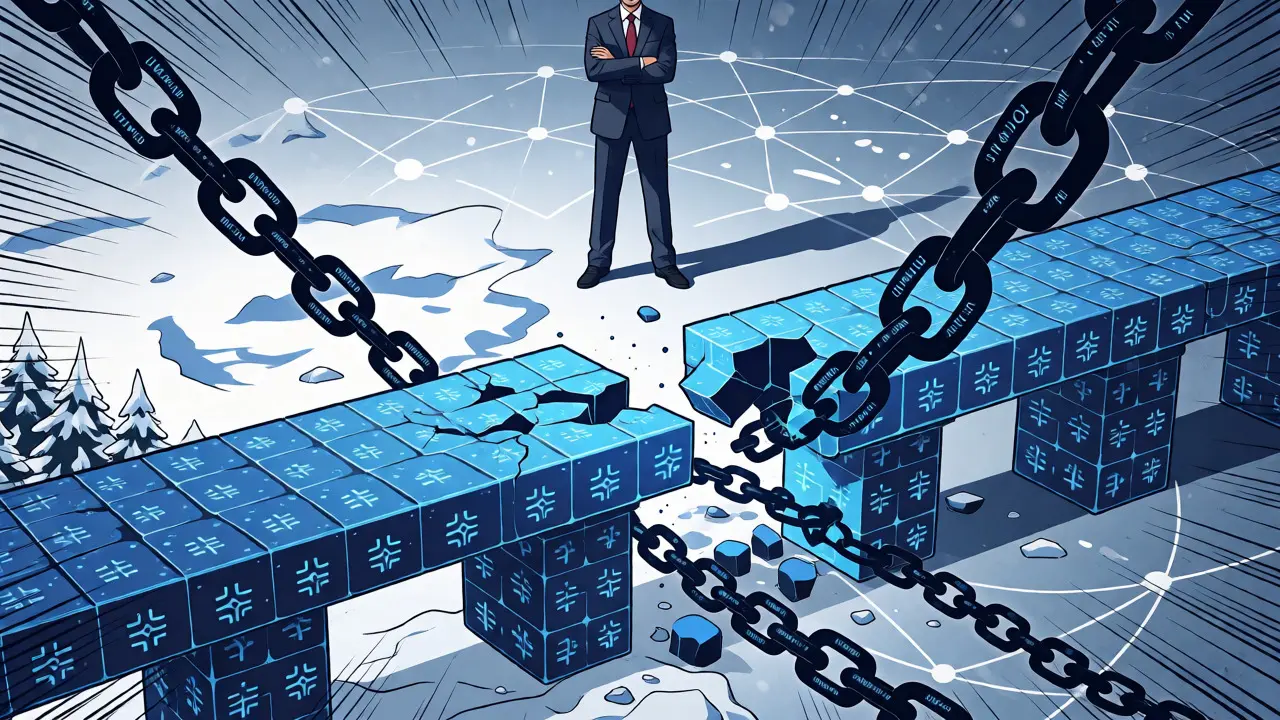
Imagine trying to move your money, only to find the digital door slammed shut because a government agency decided your preferred platform was too helpful to sanctioned entities. That is the reality for many cryptocurrency users caught in the crossfire of U.S. sanctions against Russia. It’s not just about politics; it’s about liquidity, access, and the constant game of cat-and-mouse between regulators and blockchain innovators. If you’ve ever wondered how Russian sanctions actually hit the crypto market, look no further than the saga of Garantex and its successor, Grinex.
This isn’t some abstract policy debate. In August 2025, the U.S. Treasury’s Office of Foreign Assets Control (OFAC) made a bold move that sent shockwaves through the industry. They didn’t just sanction an exchange; they targeted the entire ecosystem designed to keep Russian funds moving when traditional banking channels froze over. Here is what you need to know about why this matters for anyone touching digital assets today.
The Rise and Fall of Garantex
To understand where we are, you have to look back at Garantex, which served as a critical bridge for Russian capital escaping economic isolation. Founded by Sergey Mendelev, Aleksandr Mira Serda, and Pavel Karavatsky, this exchange became the go-to hub for converting rubles into stablecoins like USDT. But in April 2022, right after the invasion of Ukraine, OFAC slapped Garantex with sanctions under Executive Order 14024. The reason? It operated in the financial services sector of the Russian Federation economy.
You might think one designation would end it. Nope. By March 2025, things got physical. The U.S. Secret Service led an international operation that seized three Garantex domains, confiscated servers, and froze over $26 million in cryptocurrency. They even arrested co-founder Aleksej Besciokov while he was vacationing in India. This wasn’t just a paperwork exercise; it was a coordinated takedown of infrastructure. Yet, the flow of money didn’t stop. It just changed shape.
Grinex: The Sanction-Evasion Successor
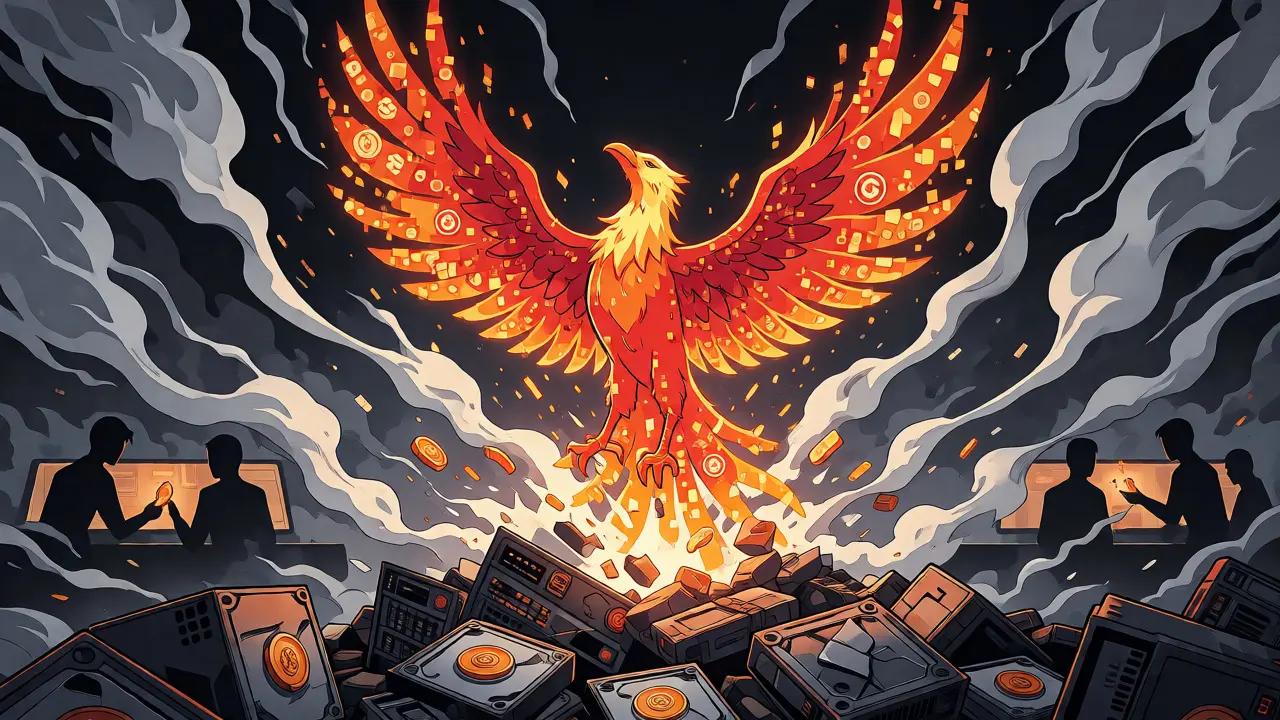
When Garantex went offline, its employees didn’t pack up and go home. They launched Grinex. Think of it as a phoenix rising from the ashes, but with a specific purpose: to bypass the very sanctions that killed its predecessor. Grinex’s own promotional materials admitted it was "formed in response to sanctions and asset freezes."
How did they try to pull off this trick? They introduced the A7A5 token, a ruble-backed digital asset issued by a Kyrgyzstani firm. This allowed former Garantex customers to regain access to their accounts. It was a clever workaround, using a new entity and a new token to obscure the trail. But regulators weren’t fooled for long. On August 14, 2025, OFAC re-designated Garantex and simultaneously sanctioned Grinex, alleging it facilitated billions of dollars in transactions linked to illicit activities.
The A7 Network and the Billion Question
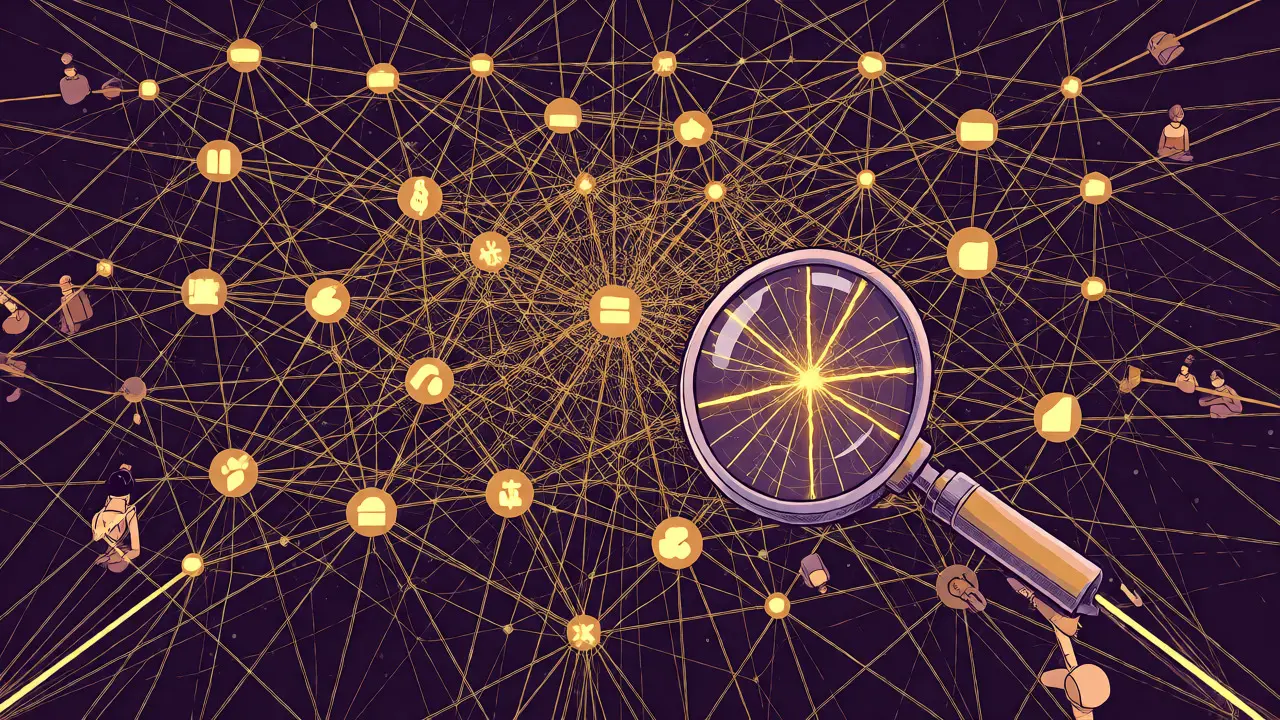
The real story here isn’t just two exchanges; it’s the network behind them. Blockchain analytics firm Elliptic identified a web of companies known as the "A7" network. This includes entities like A7, A71, Old Vector, and InDeFi Bank. Since early 2024, these linked wallets processed roughly $8 billion in cryptocurrency transactions. That is a conservative estimate, meaning the actual figure could be higher.
Why does this matter? Because it shows scale. We aren’t talking about small-time traders dodging rules. We are talking about institutional-level flows moving through specialized infrastructure. The A7 leaks in mid-2025 revealed how these wallets were linked, giving investigators the keys to the kingdom. When the U.S. government acted, they weren’t guessing; they had data. Elliptic’s analysis helped freeze those $26 million in USDT earlier in the year, proving that on-chain transparency can beat obfuscation techniques if you know where to look.
| Feature | Garantex | Grinex |
|---|---|---|
| Status | Sanctioned (April 2022, Aug 2025) | Sanctioned (Aug 2025) |
| Key Asset | USDT, BTC | A7A5 Token, USDT |
| Enforcement Action | Domain seizure, $26M frozen | Entity designation, leadership sanctions |
| Role | Primary Exchange | Successor Platform |
The Role of Stablecoins in Evasion
Stablecoins are usually seen as safe havens. For Russians cut off from SWIFT, USDT became a lifeline. It offered price stability compared to the volatile Ruble and broad payment utility. But there was a catch: centralized control. Tether, the issuer of USDT, can freeze wallets. When Garantex was disrupted, users realized their funds weren’t truly theirs if the issuer decided to block them.
This vulnerability drove the creation of alternatives like A7A5. The goal was resilience. However, as Elliptic noted, the game continues. Even with a new token, the underlying infrastructure remained tied to sanctioned entities. The August 2025 actions included sanctions against three Garantex executives and six associated companies across Russia and the Kyrgyz Republic. This holistic approach means you can’t just swap logos and expect to escape scrutiny.
What This Means for Global Crypto Users
If you trade crypto globally, these events ripple out. Exchanges like Binance or Coinbase often restrict services based on compliance risks. When a major player like Garantex gets taken down, it raises the bar for everyone. Compliance teams get stricter. Withdrawals take longer. KYC (Know Your Customer) checks become more invasive.
For users in sanctioned jurisdictions, the options narrow. You might rely on peer-to-peer (P2P) trades or smaller, less regulated platforms. But each option carries risk. P2P trades can involve fraud. Smaller platforms might disappear overnight, taking your funds with them. The era of easy, anonymous access to global liquidity for Russian users is fading. Instead, they face a fragmented landscape where every transaction leaves a traceable fingerprint.
The Future of Sanctions Enforcement
The U.S. strategy has evolved. It’s no longer enough to sanction a bank. Now, they target the tech stack-the exchanges, the tokens, and the people running them. The State Department even offered rewards of up to $6 million for information leading to arrests. This multi-pronged approach combines legal pressure, financial freezing, and public incentives.
We will likely see more of this. As crypto infrastructure matures, so do enforcement tools. AI-driven analytics make it harder to hide. The "cat-and-mouse" game favors the mouse less each year. For investors and traders, staying informed about regulatory developments in key jurisdictions is no longer optional-it’s essential for protecting your portfolio.
Why was Garantex sanctioned again in 2025?
Garantex was re-sanctioned in August 2025 because OFAC determined it continued to facilitate cybercriminals and process illicit transactions despite earlier restrictions. The Treasury alleged it handled over $100 million in suspicious activity since 2019.
What is Grinex and why does it exist?
Grinex is a cryptocurrency exchange created by former Garantex employees to continue operations after Garantex faced severe sanctions and asset freezes. It serves as a successor platform intended to help Russian users bypass restrictions.
What is the A7A5 token?
A7A5 is a ruble-backed stablecoin issued by a Kyrgyzstani firm. It was developed to allow Garantex customers to regain account access and serve as an alternative to USDT for Russian users seeking to evade sanctions.
How much money flowed through the A7 network?
According to blockchain analytics firm Elliptic, approximately $8 billion in cryptocurrency transactions flowed through wallets linked to the A7 network since early 2024. This figure represents a conservative lower bound.
Can I still use Garantex or Grinex?
Access is highly restricted. Both entities are under U.S. sanctions, meaning most compliant global exchanges and banks will avoid transacting with them. Users may face frozen funds or inability to withdraw assets to mainstream platforms.