Social Tokens and Creator Rewards: How Blockchain Is Changing How Artists Get Paid
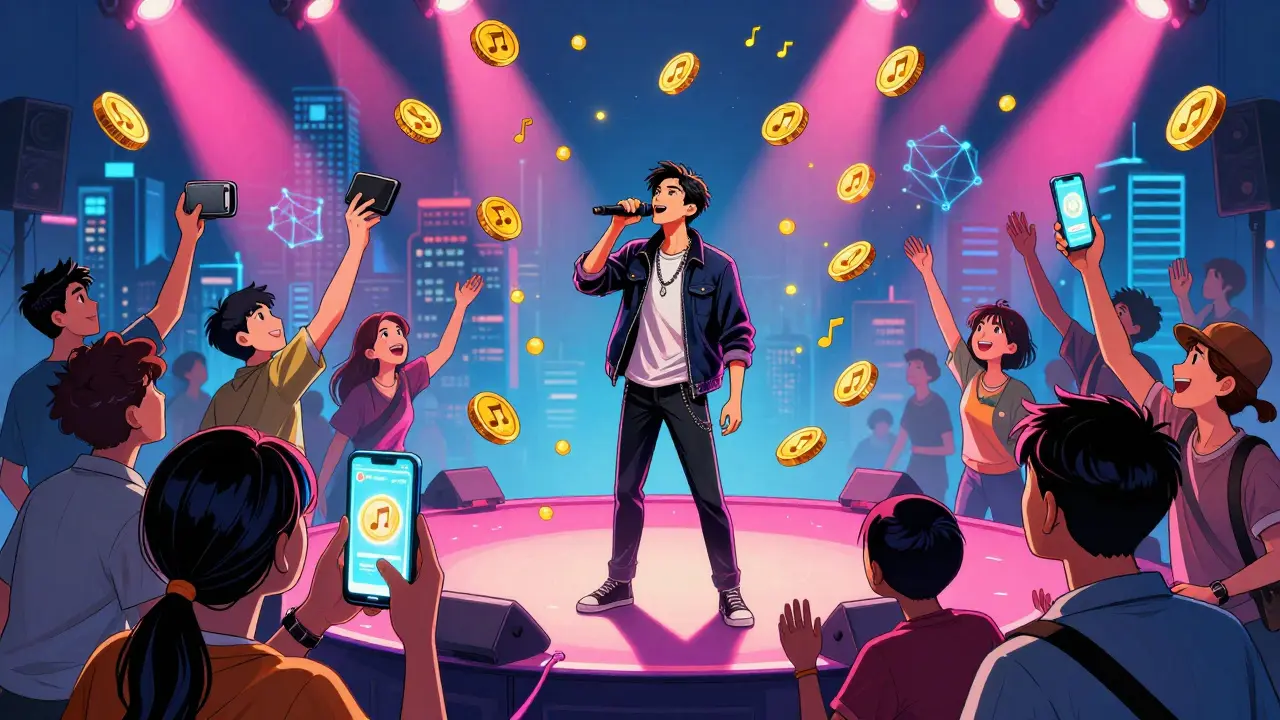
For years, creators have been stuck in a broken system. You make content-videos, music, art, podcasts-and platforms like YouTube, Instagram, or Patreon take 30%, 50%, even 70% of your earnings. Meanwhile, your biggest fans get nothing but access. No ownership. No stake. Just a subscription they can cancel anytime. But what if your fans could actually own a piece of your success? That’s where social tokens come in.
What Are Social Tokens, Really?
Social tokens are digital assets built on blockchains like Ethereum, Polygon, or Solana. They’re not NFTs-those are unique, one-of-a-kind items. Social tokens are like coins you can hold in any amount. Think of them as membership passes that also have value. When a musician, artist, or influencer launches a social token, they’re giving their community a way to invest directly in their work.
It’s not magic. It’s code. These tokens run on smart contracts-self-executing programs on a blockchain. They can be programmed to do things like:
- Unlock private Discord servers or Telegram groups
- Grant voting rights on future projects (like album themes or tour locations)
- Give early access to releases or exclusive merchandise
- Reward holders with cash payouts or a share of future sales
Creators like DJ Steve Aoki launched his $AOKI token in 2021 and sold over $1 million worth in less than a day. Writer Austin Rief raised $150,000 for his fitness community using a similar model. These aren’t outliers-they’re proof that fans will pay real money to be more than just spectators.
Why This Is Different From Patreon or Substack
Patreon lets you subscribe to a creator. You get content. That’s it. With social tokens, you own something. If the creator grows, your token could go up in value. If they release a hit song or sell out a tour, you benefit-not just from access, but from appreciation.
According to Social Chain’s 2023 report, creators using social tokens see 3 to 5 times higher lifetime value from their most loyal fans compared to standard subscriptions. Why? Because ownership changes behavior. People who hold tokens don’t just watch-they promote. They defend. They help build the brand.
One creator, Valeria, turned her $VAL token community from 500 members to 15,000 in 18 months. How? She didn’t just post content. She held weekly live Q&As, exclusive studio tours, and voting sessions for new artwork-all for token holders. Her fans weren’t customers. They were co-creators.
The Dark Side: Volatility, Scams, and Regulatory Risk
But it’s not all upside. Social tokens are still wild west territory.
Price swings are brutal. The average social token loses 40-60% of its value in the first 30 days after launch, according to CoinDesk. One fan on Twitter lost 80% of their investment when a musician stopped delivering promised perks. That’s not a bug-it’s a feature of speculation.
And then there’s the scam problem. In 2022, the SEC issued 17 warning letters to creators whose tokens looked too much like unregistered securities. If a token promises returns based on the creator’s efforts, it could be classified as a security under U.S. law. That means legal trouble, fines, even lawsuits.
Platforms are trying to fix this. Roll launched ‘Roll Verified’ in August 2023, requiring creators to verify their identity and publish a clear utility roadmap. Fraudulent launches on their platform dropped by 63% in one month. Rally added ‘Rally Pay,’ letting holders convert tokens to cash without needing a crypto exchange-a major pain point for non-crypto users.
Who Actually Benefits From This?
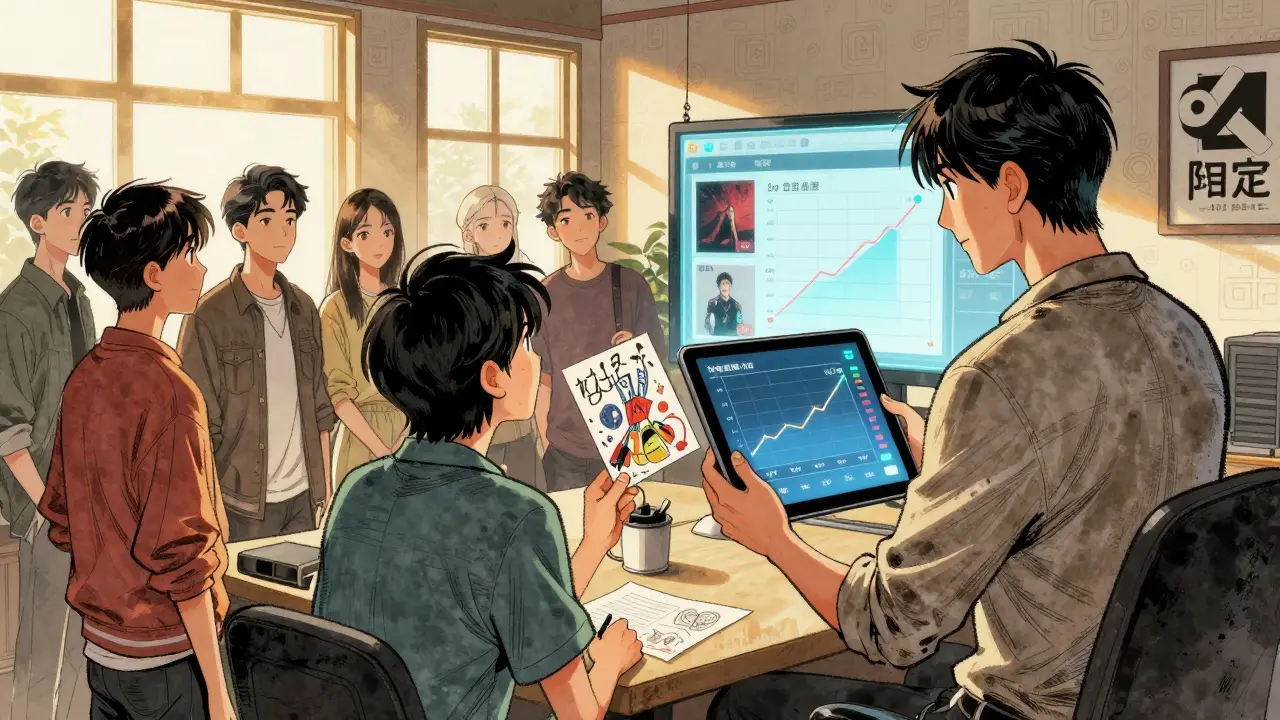
Not everyone. Social tokens work best for creators with a dedicated, active fanbase-think 10,000+ followers who comment, share, and show up daily. Data from Roll shows creators with under 10,000 engaged followers have only a 22% success rate launching tokens. Those with 50,000+? 78% succeed.
Why? Liquidity. If only 50 people hold your token, there’s no market. No buyers. No value. But if 5,000 people hold it, trade it, and believe in it-that’s a real economy.
Successful token launches don’t come from hype. They come from consistency. TokenSniffer’s Q3 2023 report found that projects with weekly content updates kept 65% higher token value than those posting monthly. Fans don’t care about your whitepaper. They care if you show up.
How to Get Started (Without Getting Scammed)
If you’re a creator thinking about launching a token, here’s what actually works:
- Start small, not big. Don’t try to build a whole economy overnight. Launch a simple token with one clear perk-say, access to a private Discord channel.
- Use a trusted platform. Rally and Roll handle the technical stuff. You don’t need to write smart contracts. They charge fees (1.5% on sales, $29/month), but they also protect you from common mistakes.
- Explain it like you’re talking to your mom. 82% of creators say their biggest challenge is helping non-crypto fans understand wallets and tokens. Make a 5-minute video. Use analogies. Compare it to a VIP pass.
- Deliver, then deliver again. Your token’s value lives or dies by what you give back. If you promise a monthly call and skip it? The price crashes. No exceptions.
- Don’t promise returns. Never say, ‘Buy my token and get rich.’ Say, ‘Buy my token and get early access, voting rights, and a seat at the table.’ That’s utility. Not speculation.
Austin Rief, who kept 90% of his token’s value after six months, made 12 tutorial videos before launch. He didn’t just sell a token-he taught a community how to use it.
The Future: Token-Gated Worlds
The next big shift isn’t just individual creators using tokens. It’s ecosystems.
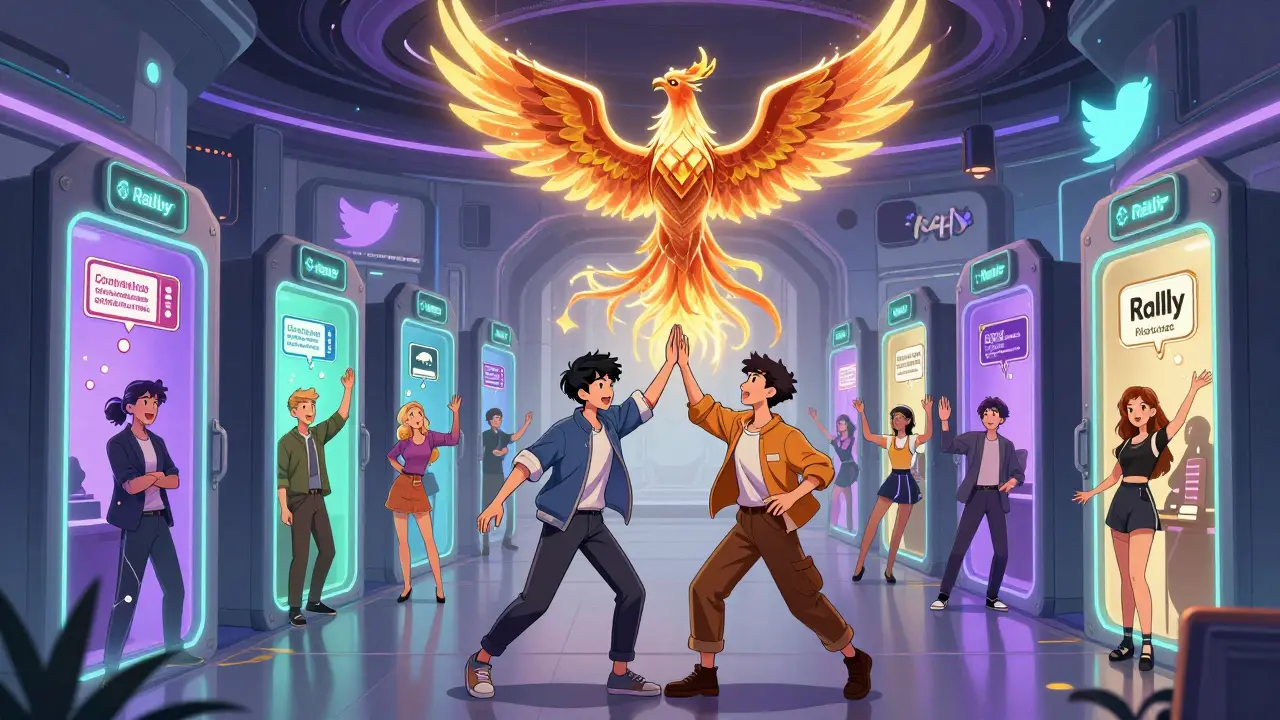
Think of Friends With Benefits (FWB), a DAO with 10,000 members that started as a social token community. Holders don’t just follow one person-they belong to a network of artists, writers, and developers who collaborate, host events, and build tools together. Your token isn’t just for one creator. It’s your key to a whole world.
Twitter is testing ‘Tokens for Creators’ with 2,500 creators in beta. It lets you issue tokens directly through your profile. No extra app. No wallet setup. Just tap a button.
By 2025, Deloitte and Circle predict 60% of major token launches will include real-world perks: concert tickets, limited-edition merch, studio visits. The line between digital and physical is disappearing.
Final Thought: Ownership Is the New Subscription
The old model was: You pay for access. The new model is: You pay to belong.
Social tokens aren’t about making money from fans. They’re about building something with them. It’s not just a payment system. It’s a new kind of relationship.
For creators, it’s the first real chance to escape the platform middlemen. For fans, it’s the first time their loyalty has been rewarded with something real-not just a thank-you message, but actual ownership.
It’s messy. It’s risky. It’s early. But if you’re a creator with a tribe that shows up every day, this isn’t a gamble. It’s the next step.
Are social tokens the same as NFTs?
No. NFTs are unique digital collectibles-like a one-of-a-kind digital painting. Social tokens are fungible, meaning each one is identical to another, like dollars or Bitcoin. You can hold 10 or 10,000 of the same social token. They’re designed for access, voting, and rewards, not collectibility.
Can I lose money with social tokens?
Yes, absolutely. Social tokens are volatile. If a creator stops posting, breaks promises, or the market turns, the token’s value can drop fast-sometimes by 80% or more. Many early token launches failed because creators didn’t deliver on their promises. Treat it like investing in a small business, not a lottery ticket.
Do I need a crypto wallet to buy social tokens?
Yes, right now. You’ll need a wallet like MetaMask (for Ethereum or Polygon) or Phantom (for Solana). But platforms like Rally and Twitter’s new tool are working to simplify this. Soon, you may be able to buy tokens with a credit card directly through a creator’s page-no wallet needed.
Is it legal to launch a social token?
It depends. If your token offers financial returns or profit-sharing based on the creator’s efforts, the SEC may classify it as an unregistered security-which is illegal without proper registration. The safest approach is to tie the token to clear, non-financial utility: access, voting, or exclusive content. Avoid any language that sounds like an investment promise.
Which blockchains are best for social tokens?
Ethereum is the most established but has high gas fees ($1.50-$5 per transaction). Polygon is cheaper ($0.01 or less) and fully compatible with Ethereum, making it popular for creators. Solana is even faster and cheaper (under $0.00025 per transaction), but less familiar to average users. For most creators starting out, Polygon is the sweet spot.
How much does it cost to launch a social token?
If you use Rally or Roll, you pay nothing upfront. Rally takes 1.5% of sales. Roll charges $29/month for premium tools. If you code your own smart contract, you’ll need a developer and pay Ethereum gas fees-easily $500-$2,000 in testing and deployment. For beginners, stick with platforms. Don’t code it yourself.
What’s the biggest mistake creators make with social tokens?
Thinking the token launch is the end goal. It’s not. It’s the beginning. The real work starts after: delivering consistent value, managing community expectations, and updating perks. Creators who treat it like a one-time fundraiser fail. Those who treat it like a long-term relationship succeed.
Can fans sell their tokens later?
Yes, if the token is listed on a decentralized exchange (DEX) like Uniswap or Raydium. But liquidity matters. If no one’s buying, you can’t sell. That’s why creators with large, active communities have tokens that hold value. Small, inactive communities? Their tokens often become worthless.
Raju Bhagat
January 29, 2026 AT 12:50bro i bought a token from some guy who promised me a vinyl and a shoutout and then he ghosted after 2 weeks lmao
Jerry Ogah
January 30, 2026 AT 01:28Oh wow another crypto bro thinking he’s the next Warhol. You don’t own anything. You just gave someone money hoping they won’t scam you. And now you’re gonna cry when it’s worth 5 cents. Pathetic.
Elizabeth Jones
January 31, 2026 AT 01:30This is fundamentally about shifting power from intermediaries to communities-but only if the token’s utility is real, not speculative. Ownership without responsibility is just capitalism with a blockchain veneer. The real innovation isn’t the token-it’s the social contract it enforces. If creators treat it as a transaction, it fails. If they treat it as a covenant, it transforms.
Edward Drawde
February 1, 2026 AT 21:25crypto is a scam and you’re all suckers
Will Pimblett
February 2, 2026 AT 17:22Oh so now we’re gonna tokenize creativity? Next they’ll sell you shares in your therapist’s emotional labor. 😏
Raymond Pute
February 3, 2026 AT 12:40Look, I get it-you think this is some revolutionary democratization of art. But let’s be real: this is just another way for influencers to monetize their cult of personality. You’re not building a community, you’re building a Ponzi scheme with Discord channels. The fact that people are okay with this says more about our cultural decay than any blockchain innovation. And don’t even get me started on the environmental cost of these tokens. You think Polygon is ‘green’? Please. It’s still mining. Just less visible.
Meenal Sharma
February 5, 2026 AT 01:58Who is really behind these platforms? Are we sure this isn’t a covert attempt to replace traditional financial systems with decentralized control structures that bypass regulatory oversight entirely? The SEC warnings aren’t random-they’re a signal. And if you think your ‘token-gated world’ is safe, you’re ignoring the fact that every decentralized system eventually gets co-opted by capital. History always repeats.
laurence watson
February 6, 2026 AT 04:07I launched a token for my art last year and honestly? It changed everything. I didn’t just get money-I got real feedback, people showing up to help me brainstorm, even a few helping me design merch. It felt like I had a team, not just customers. I didn’t promise returns. I just showed up. And they showed up too. It’s not about the price. It’s about the people.
Richard Kemp
February 6, 2026 AT 23:37my wallet got hacked trying to buy one of these… now i just use patreon. less stress. more sleep.
Brianne Hurley
February 7, 2026 AT 19:58Oh so now you’re a ‘co-creator’ because you bought a token? Sweet. Meanwhile, real artists are still working 3 jobs to afford rent while you’re bragging about your Discord role. This isn’t empowerment-it’s performative solidarity for people who think crypto is a personality trait.
Calvin Tucker
February 8, 2026 AT 04:22There’s a deeper philosophical layer here: if ownership is the new subscription, then what does it mean to be a fan in the 21st century? Are we consumers, participants, or investors? The answer shapes not just art, but identity. Social tokens force us to ask: Do we love the art, or the asset? And if we can’t answer that, we’re not ready for this future.
Wayne mutunga
February 8, 2026 AT 11:42the idea is cool but i dont trust any of these platforms. i’ve seen too many ‘verified’ creators vanish. i’d rather support people directly, even if it’s less ‘innovative’.
Gavin Francis
February 8, 2026 AT 13:56just start small. one perk. one community. one week at a time. you got this 💪