Turkish Lira and Cryptocurrency Trading Restrictions: What You Need to Know in 2026

Turkey’s crypto scene is caught between opportunity and control. On one hand, millions of Turks use Bitcoin and Ethereum to protect their savings from the Turkish lira’s wild swings. On the other, the government has built one of the strictest crypto frameworks in the world-legalizing trading but banning payments, forcing users into a gray zone where convenience clashes with compliance.
Trading is legal. Paying with crypto is not.
In April 2021, Turkey made it clear: you can buy, sell, and hold cryptocurrencies. But you can’t use them to pay for coffee, rent, or groceries. The Central Bank of Turkey (TCMB) banned crypto payments outright, making the Turkish lira the only legal tender for daily transactions. That rule hasn’t changed. And it won’t.
Why? Because the government fears losing control over money flow. When people use Bitcoin to buy goods, it bypasses banks, tax tracking, and currency controls. The lira’s value has dropped over 60% since 2021. Many Turks turned to crypto not for speculation, but survival. But the state doesn’t want that escape hatch to become a highway.
The new rules hitting in February 2025
Starting February 2025, everything changes-for businesses, not individuals. The Turkish Capital Markets Board (CMB) is enforcing a new licensing system under the July 2024 amendments to the Capital Markets Law. If you run a crypto exchange or custody service in Turkey, you must now prove you have serious money behind you.
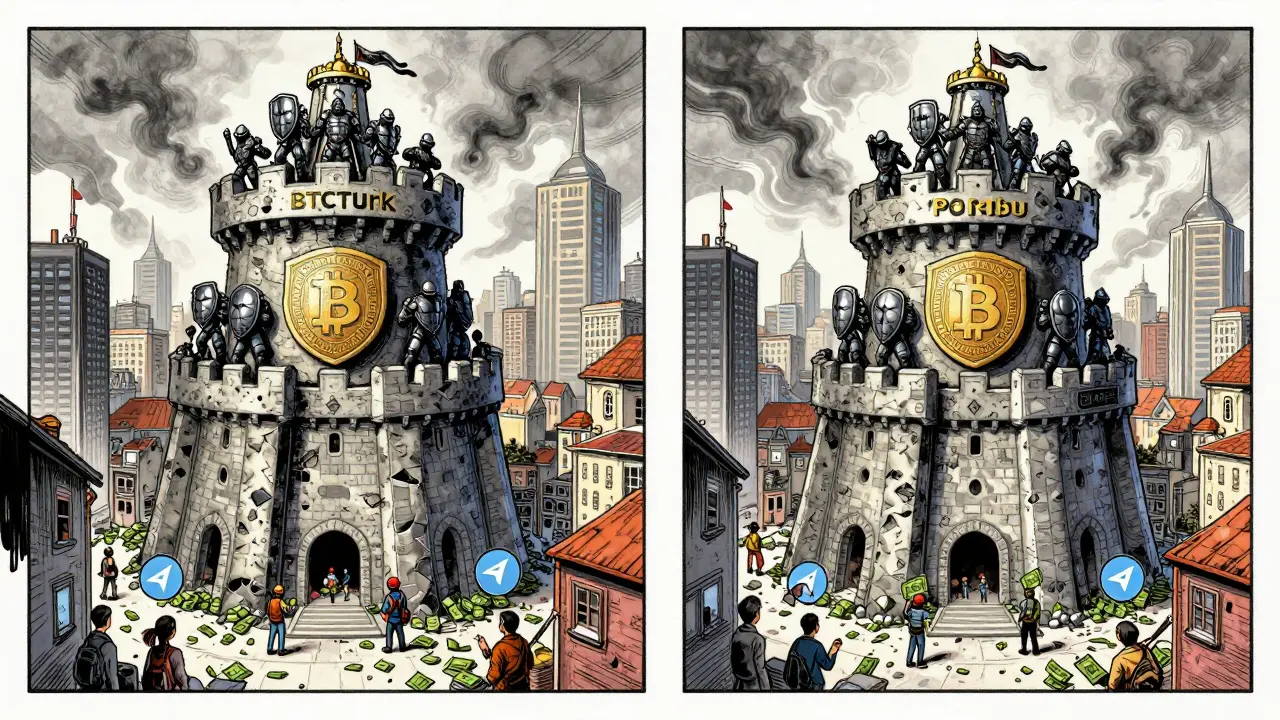
Exchanges need at least 150 million Turkish lira ($4.1 million) in capital. Custodians? 500 million lira ($13.7 million). That’s not just a hurdle-it’s a wall. Most small local platforms can’t meet it. BTCTurk and Paribu, the two biggest exchanges, already have the resources. Smaller players? They’re either shutting down or leaving the market.
It’s not just about cash. Every crypto firm must pass audits by TÜBİTAK, Turkey’s science and tech council. They check security, infrastructure, and whether systems can track every transaction in real time. Then there’s MASAK-the Financial Crimes Investigation Board. They demand full KYC: ID verification for anyone trading over 15,000 lira ($425). Unregistered wallets? They’re flagged. Suspicious activity? They’re frozen.
The coming power grab: MASAK can freeze your crypto
The biggest shock isn’t in the current rules-it’s what’s coming next. Bloomberg reports that Turkey’s Grand National Assembly is preparing legislation that will let MASAK freeze crypto accounts without a court order.
That means if MASAK suspects you’re involved in money laundering, gambling fraud, or renting out your wallet to criminals, they can shut down your access to Bitcoin, Ethereum, or any other coin-on the spot. This applies to exchanges, banks, and even electronic money providers. They’ll also be able to blacklist wallets linked to crime and block transfers between them.
This move targets what Turks call "rented accounts"-people who get paid to let fraudsters use their wallets. It’s a growing problem. Criminals pay ordinary users 500-1,000 lira to open accounts, then use them to launder money. The new law makes those users legally liable. And it gives MASAK sweeping power to act fast.
How Turkey’s rules compare to the EU and US
Europe’s MiCA law lets regulated crypto firms process payments. The U.S. lets states decide. Turkey does neither. It’s a middle path: open for trading, closed for spending.
Capital requirements in Turkey are higher than in most EU countries. Germany and France don’t require exchanges to hold millions in capital just to operate. The U.S. has no federal minimum. Turkey’s approach is more like China’s old model-strict control, no gray zones for payments.
But unlike China, Turkey hasn’t banned crypto. It’s trying to cage it. The goal? Keep the lira alive as the dominant currency, while letting crypto serve as a savings tool under heavy surveillance.
What this means for everyday users
If you’re a Turkish citizen, you can still buy crypto. You can still sell it. But you can’t use it to pay your phone bill. So you convert it back to lira-through an exchange, or through a peer-to-peer trader.
That’s where things get messy. Many users now rely on unofficial P2P platforms or Telegram groups to trade crypto for cash. It’s faster, but riskier. No KYC means no protection. If you get scammed, there’s no recourse. And with new identity checks coming, even these workarounds may become harder.
Reddit threads in Turkish crypto groups are full of complaints: "I can’t buy groceries with Bitcoin, but I can’t trust the lira either." Others worry the new verification rules will expose their financial habits to the state. Privacy is shrinking.

Who wins? Who loses?
Big exchanges win. They have the money, the legal teams, the tech to comply. They’ll absorb the cost and keep operating.
Small traders and startups lose. The cost of compliance is too high. Many won’t survive. That means fewer choices for users, less innovation, and more centralized control.
Even the government loses a little. By forcing crypto into a narrow lane, they’re pushing activity underground. The grey market for crypto-to-lira swaps is thriving. And while the state collects data on big exchanges, it can’t track every Telegram deal.
And then there’s the tax question. Right now, crypto profits are untaxed in Turkey. That’s a big reason people hold onto it. But with the new rules and rising government debt, that could change. If the Finance Ministry starts taxing gains, the appeal of crypto as a savings tool could drop.
What’s next for Turkey’s crypto market?
By mid-2026, expect fewer exchanges. The market will consolidate around three or four licensed giants. Trading volumes may dip slightly, but adoption won’t disappear. The lira’s instability isn’t going away. People still need a way to preserve value.
Stablecoins? They’re getting tighter scrutiny. New rules are coming to limit how much you can transfer in USDT or USDC. The goal? Stop capital flight. But that also limits a key tool for people trying to hedge against inflation.
And the CMB’s move to block unlicensed platforms like PancakeSwap shows they’re serious. No more anonymous DeFi trading. If you want to trade crypto in Turkey, you do it through a licensed gatekeeper.
Final thoughts: Control over freedom
Turkey isn’t banning crypto. It’s trying to own it. The state wants the benefits-tax revenue, financial oversight, control over capital flows-without giving up its power over the lira.
For users, it’s a trade-off: you get legal clarity on ownership, but lose practical use. You can’t spend your crypto, but you can’t ignore it either. The system is designed to make crypto a savings asset, not a currency.
It’s a bold experiment. No other country has tried to separate crypto’s investment function from its payment function so cleanly. Whether it works depends on one thing: can the lira stabilize? If it doesn’t, people will keep finding ways around the rules. And the government will keep chasing them.
katie gibson
January 25, 2026 AT 04:15Ashok Sharma
January 25, 2026 AT 08:21Margaret Roberts
January 26, 2026 AT 11:34Jonny Lindva
January 27, 2026 AT 09:53Darrell Cole
January 28, 2026 AT 18:13Adam Fularz
January 29, 2026 AT 02:45Barbara Rousseau-Osborn
January 29, 2026 AT 18:50Kevin Pivko
January 30, 2026 AT 10:18Andy Simms
January 31, 2026 AT 06:03Shamari Harrison
January 31, 2026 AT 06:12