Underground Crypto Trading in Afghanistan: Survival Under Taliban Bans
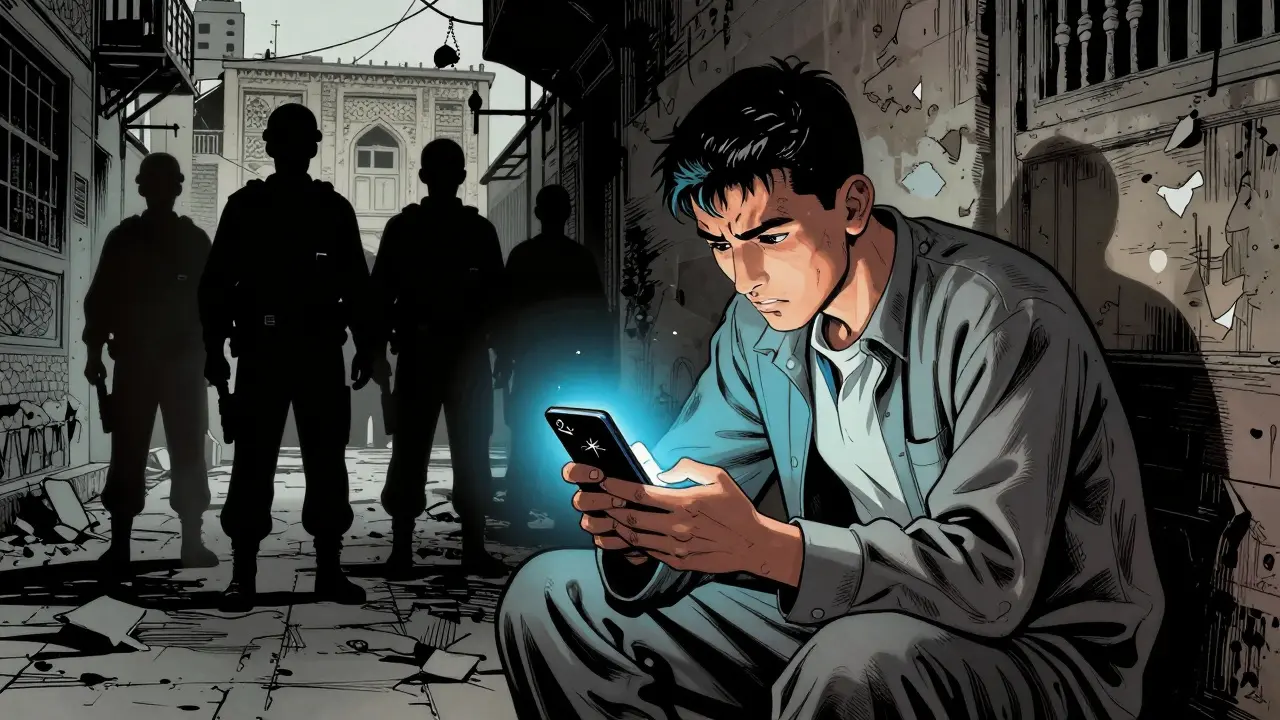
Imagine trying to send money to your family back home, but every bank account is frozen, every wire transfer is blocked, and the government says digital currency is a sin. This isn't a dystopian novel; it is the daily reality for millions of Afghans since the Taliban returned to power in August 2021. While the world debates the environmental impact of mining or the volatility of Bitcoin prices, people in Kabul and Kandahar are using cryptocurrency as a lifeline to keep their families fed.
The Taliban banned all forms of cryptocurrency trading is financial activity involving digital assets like Bitcoin and Tether, declared forbidden under Islamic law by the Afghan interim government in August 2022, labeling it haram (forbidden). Yet, despite arrests, internet blackouts, and severe religious prohibitions, an underground economy has not only survived-it has adapted. As of mid-2026, peer-to-peer (P2P) crypto networks remain the primary way many Afghans receive life-saving remittances from abroad.
Why the Ban? The Clash Between Sharia and Digital Finance
To understand why this trade is so dangerous, you have to look at how the Taliban views money. For them, value must be tangible. Gold, silver, land-these are real. Cryptocurrencies, which exist only as code on a decentralized ledger, are seen as speculative gambling. The Taliban’s interpretation of Sharia law is Islamic legal framework used by the Taliban to justify the prohibition of cryptocurrencies due to lack of asset backing argues that because Bitcoin has no physical form and its price fluctuates wildly, it violates principles against gharar (excessive uncertainty) and maysir (gambling).
This wasn’t always the case. In the chaotic months following the 2021 takeover, before the ban was fully enforced, there was a surge in adoption. Apps like HesabPay popped up, allowing users to transfer funds between mobile phones. It gained over 380,000 users in just three months. But once the regime stabilized its control, the crackdown began. By August 2022, all exchange licenses were revoked. The message was clear: if you want to use crypto, you are operating outside the law.
How the Underground Market Actually Works
You might wonder, how do you trade something illegal when the internet is spotty and banks are closed? The answer is trust and decentralization. The underground market doesn’t rely on big exchanges like Binance or Coinbase, which would be easy targets for regulators. Instead, it relies on Peer-to-Peer (P2P) trading is direct exchange of cryptocurrencies between individuals without intermediaries, commonly used in Afghanistan to bypass banking sanctions.
Here is what a typical transaction looks like:
- The Connection: An Afghan living in Dubai or London wants to send money to a relative in Mazar-i-Sharif. They buy USDT (Tether) or Bitcoin on a global platform.
- The Bridge: They contact a local trader in Afghanistan via encrypted messaging apps like Telegram or Signal. These traders act as informal brokers.
- The Swap: The sender transfers the crypto to the broker’s wallet. The broker verifies the transaction on the blockchain.
- The Cash Out: The broker sends Afghan Afghani (AFN) or US Dollars to the recipient via local hawala networks or cash-in-hand meetings in discreet locations.
USDT is particularly popular because its value is pegged to the US dollar. In a country where the local currency can feel unstable, holding stablecoins offers a sense of security. Forex dealers, who traditionally dealt in paper money, have pivoted to become crypto liquidity providers. They now help customers convert these digital assets into hard cash, often charging higher fees to cover the risk of arrest.

The Internet Blackout Problem
If you think the ban is bad, wait until you hear about the internet. The Taliban has increasingly viewed the internet as a source of "vice" and immorality. In September 2024, Supreme Leader Hibatullah Akhundzada ordered sweeping internet restrictions across northern provinces like Kunduz, Badakhshan, and Balkh. Connectivity dropped to less than 1% of normal levels in some areas.
For underground crypto traders, this is a nightmare. You cannot check a blockchain wallet or communicate with a buyer if you have no signal. Afghan traders operating near the border in Pakistan’s Peshawar report being unable to verify product images or process payments because their connections are cut off. This has forced the market to evolve further. Some groups are experimenting with mesh networking solutions-local Wi-Fi networks that don’t require cellular towers-to maintain basic connectivity for transactions.
Yet, even with these hurdles, the demand remains. Why? Because the alternative is starvation. The United Nations warned that 97% of Afghans fell below the poverty line in 2022. When traditional banking channels are frozen by international sanctions, crypto becomes the only pipe through which foreign aid and family support can flow.
Risks and Realities: What Happens If You Get Caught?
Let’s be clear: this is not a hobby. It is high-stakes survival. The Taliban enforces the ban with varying intensity, but the consequences are real. Arrests of miners and traders were documented as early as late 2022. Recorded crypto transaction values plummeted from millions to roughly $80,000 per month by November 2022, showing that fear works to some extent.
However, enforcement is inconsistent. The Taliban lacks the technical infrastructure to monitor every blockchain transaction effectively. With only 8.64 million out of 40 million people having regular internet access, surveillance is naturally limited. Most crackdowns happen through informants or visible operations, like seizing mining rigs, rather than sophisticated cyber-police work.
Despite the risks, digital literacy courses within the country have quietly pivoted. Instead of teaching general computer skills, some underground tutors offer advice on how to secure wallets and navigate P2P platforms. It is a paradoxical education system: learning how to break the law to survive the economy.
| Channel | Legal Status | Accessibility | Primary Risk |
|---|---|---|---|
| Traditional Banks | Legal | Low (Sanctions/Frozen Reserves) | Funds frozen or inaccessible |
| Hawala (Informal Value Transfer) | Tolerated/Grey Area | High | No legal recourse if cheated |
| Cryptocurrency (P2P) | Illegal (Haram) | Medium (Requires Internet) | Arrest, confiscation, religious penalty |
| International Wire Transfers | Restricted | Very Low | Blocked by SWIFT sanctions |

The Human Cost: More Than Just Money
This isn’t just about finance; it’s about autonomy. The Taliban’s restrictions extend beyond money. In 2025, they purged books written by women from universities and banned courses on human rights and democracy. The internet bans were justified as preventing "immoral activities," but they also cut off access to information and global connection.
In this context, using cryptocurrency is an act of resistance. It allows Afghans to maintain a link to the global economy and their diaspora communities without going through state-controlled channels. It preserves a sliver of financial freedom in a society where almost every other aspect of life is heavily regulated. For a mother in Herat receiving support from her son in Canada, that Bitcoin transaction isn’t speculation-it’s dinner.
What Does the Future Hold?
As we move through 2026, the situation remains precarious. The Taliban is getting better at controlling the digital space. Targeted provincial bans and nationwide service disruptions show they are learning how to choke off digital commerce. However, the structural drivers haven’t changed. International sanctions persist. The banking system remains isolated. Poverty is widespread.
Unless the geopolitical landscape shifts dramatically, the underground crypto market will likely continue to exist. It may become more fragmented, relying more on offline verification and trusted local networks. But the need for a parallel financial system is too great to disappear entirely. The resilience of Afghan traders proves one thing: when you block the official doors, people will find a way through the walls.
Is cryptocurrency completely banned in Afghanistan?
Yes, officially. The Taliban government declared all cryptocurrency trading, mining, and usage as 'haram' (forbidden) in August 2022 based on their interpretation of Islamic law. All exchange licenses were revoked, and engaging in crypto activities is illegal.
Which cryptocurrencies are most used in the underground market?
Bitcoin (BTC) and Tether (USDT) are the most common. USDT is preferred for remittances because its value is stable and pegged to the US dollar, reducing the risk of price volatility during the transfer process.
How do people trade crypto without reliable internet?
Traders use encrypted messaging apps like Telegram or Signal when connectivity is available. In areas with severe blackouts, some are experimenting with mesh networks. Transactions often involve offline verification methods, such as meeting in person to confirm wallet balances before exchanging cash.
What happens if you are caught trading crypto?
Penalties can include arrest, confiscation of devices and funds, and potential imprisonment. The severity depends on the scale of the operation and the discretion of local authorities. There have been documented arrests of miners and traders since 2022.
Why do Afghans use crypto if it's illegal?
It is primarily a survival mechanism. With traditional banking systems frozen due to international sanctions and the domestic economy collapsing, crypto provides one of the few ways to receive remittances from family members abroad. It acts as a critical financial lifeline for households facing extreme poverty.