What is BUSD Crypto? Status, Risks, and Alternatives in 2026
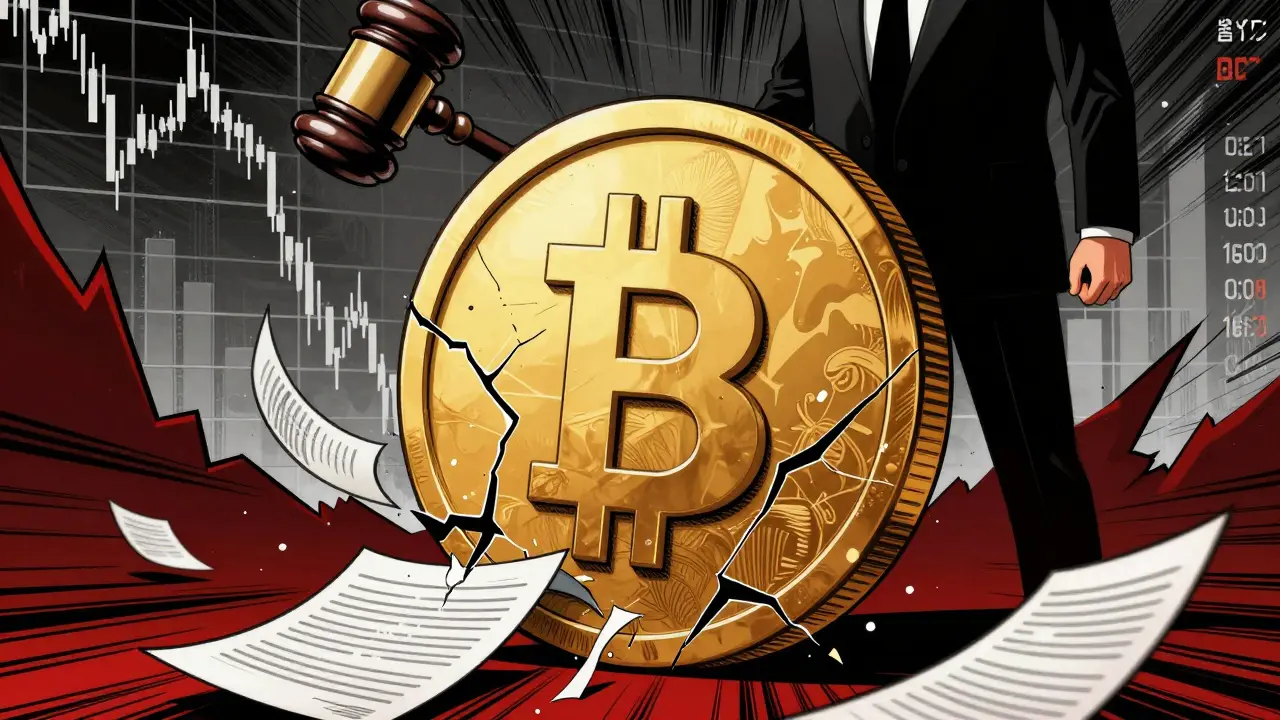
You might still see BUSD listed on your favorite exchange or DeFi dashboard. It looks like a normal stablecoin. The price sits at $1.00. But there is a catch you need to know before you deposit another dollar into it. As of early 2024, the issuer behind this token stopped creating new coins. This changes everything about how you should use-or avoid-this asset today.
If you are reading this because you hold BUSD or are considering buying it, you are likely trying to figure out if it is safe. You want to know why a major coin suddenly froze its supply. And most importantly, you need to know what to do with your funds right now. This guide breaks down the history, the regulatory shutdown, and the practical steps for navigating the current landscape of stablecoins in 2026.
The Short Story: What Happened to BUSD?
Binance USD (BUSD) was once one of the biggest names in crypto. Launched in September 2019, it was a joint venture between Binance, the world’s largest cryptocurrency exchange, and Paxos Trust Company, a New York-based regulated financial institution. The goal was simple: create a stablecoin that was as reliable as the U.S. dollar but moved as fast as blockchain technology.
For several years, BUSD worked exactly as promised. It maintained a strict 1:1 peg to the U.S. dollar. Every token in circulation was backed by cash or short-term U.S. Treasury bills held in reserve by Paxos. Because Paxos was regulated by the New York State Department of Financial Services (NYDFS), BUSD offered a level of transparency and compliance that many other stablecoins lacked. Monthly audits proved the reserves were real, which gave traders and institutions confidence.
However, the story changed dramatically in 2023. Following legal pressure from the U.S. Commodity Futures Trading Commission (CFTC) against Binance regarding market manipulation, Paxos announced it would stop minting new BUSD tokens. By March 2024, Paxos officially ceased all issuance. Today, no new BUSD can be created. Existing holders can still redeem their tokens for USD or convert them to Paxos’s other product, USDP, but the ecosystem has effectively shrunk to a closed loop.
How BUSD Worked (And Why It Mattered)
To understand the impact of BUSD’s decline, you have to look at what made it special when it was active. Unlike some competitors that relied on complex algorithmic mechanisms or opaque collateral baskets, BUSD used a straightforward fiat-backed model.
- Fiat Backing: Each BUSD represented one U.S. dollar held in segregated accounts.
- Regulatory Oversight: The NYDFS approval meant Paxos had to follow strict capital requirements and reporting standards.
- Multi-Chain Support: BUSD operated on multiple blockchains, including Ethereum (as an ERC-20 token), BNB Chain (as BEP-20), and others. This allowed users to move value quickly across different networks without high fees.
This structure made BUSD incredibly popular for trading pairs. On Binance, BUSD served as the base currency for hundreds of cryptocurrencies. Traders could move from Bitcoin to BUSD instantly to lock in profits without converting to actual bank dollars, avoiding withdrawal delays and fees. In the decentralized finance (DeFi) sector, BUSD was a preferred asset for lending platforms because its regulatory status reduced counterparty risk.
The Regulatory Crackdown: Why It Ended
The end of BUSD wasn’t due to a technical failure or a hack. It was a direct result of evolving global financial regulations. In recent years, regulators in the United States and Europe have scrutinized stablecoins more closely, demanding clearer proof of reserves and stricter adherence to banking laws.
Binance faced significant legal challenges from U.S. authorities. The CFTC alleged that Binance manipulated markets using bots, which undermined trust in assets tied to the exchange. Although Paxos is an independent entity, the close association with Binance became a liability. To protect its own license and reputation, Paxos decided to cut ties with the project. They stopped issuing new tokens to prevent further regulatory exposure.
This event serves as a critical lesson for crypto investors: even regulated assets are not immune to political and legal risks. When a major partner faces scrutiny, the entire ecosystem can freeze. For BUSD, this meant going from a growing market leader to a legacy asset with a fixed supply.

Current Status of BUSD in 2026
So, what happens if you hold BUSD today? You are not stranded, but your options are limited compared to other stablecoins.
- Redemption: You can still send your BUSD back to Paxos to receive U.S. dollars. However, this process requires interacting with Paxos directly or through supported exchanges, which may involve higher fees than standard transfers.
- Conversion to USDP: Paxos offers USDP as its primary stablecoin now. Users can swap their BUSD for USDP. USDP operates under similar regulatory frameworks but lacks the massive liquidity and integration that BUSD once enjoyed.
- Trading: Some exchanges still list BUSD pairs, but liquidity has dried up significantly. Spreads are wider, meaning you lose more money when buying or selling. Major platforms have largely delisted BUSD in favor of competitors.
For new users, BUSD is no longer a recommended choice. The lack of new issuance means the circulating supply is slowly decreasing as people redeem their tokens. This deflationary pressure makes it less useful as a medium of exchange. If you need a stablecoin for daily transactions, savings, or DeFi yield farming, there are better alternatives available.
BUSD vs. Top Stablecoin Alternatives
Since BUSD is winding down, where should you put your capital instead? The stablecoin market has consolidated around a few key players that offer robust backing, high liquidity, and regulatory clarity. Here is how they compare.
| Stablecoin | Issuer | Backing | Regulatory Status | Best For |
|---|---|---|---|---|
| USDC | Circle | Cash & Treasuries | Highly Regulated | Institutional use, DeFi |
| USDT | Tether | Cash Equivalents | Controversial | Trading volume, Emerging markets |
| DAI | MakerDAO | Crypto Collateral | Decentralized | Censorship-resistant DeFi |
| FDUSD | First Digital USD | Cash Reserves | Regulated | Binance ecosystem users |
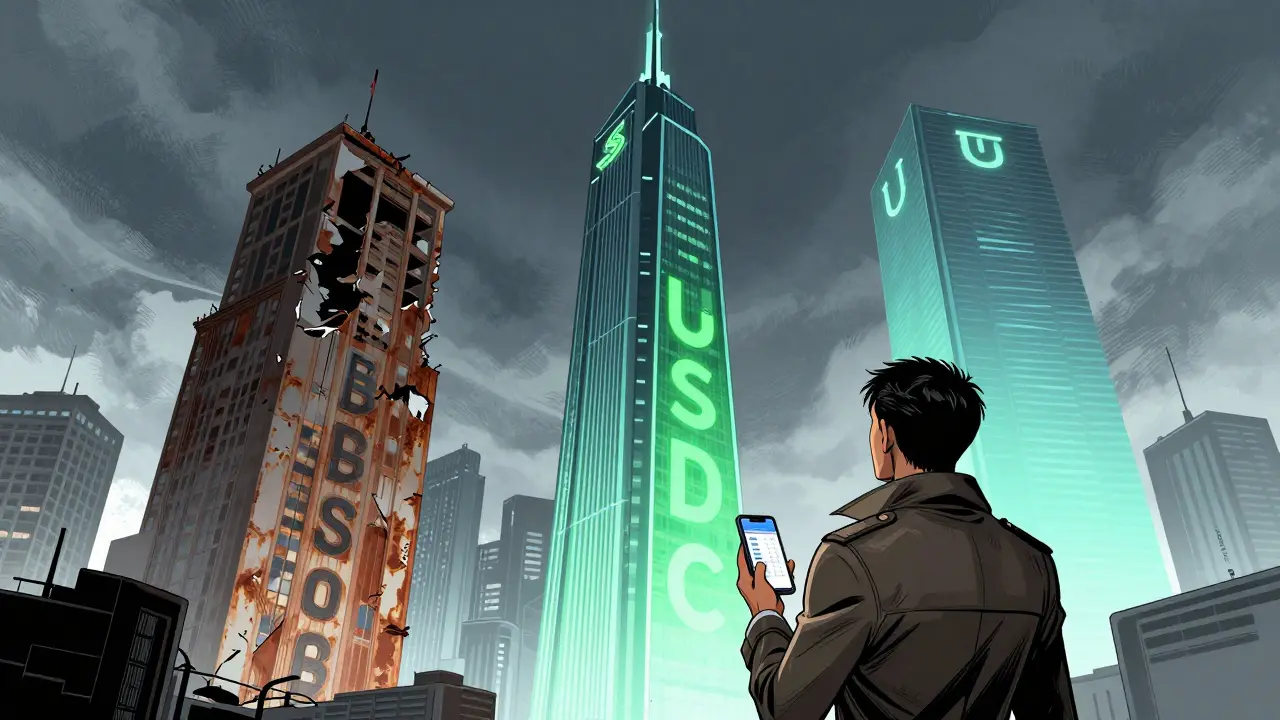
USDC (USD Coin) is the most direct replacement for BUSD. Issued by Circle, it maintains full regulatory compliance in the U.S. and holds reserves in cash and short-term government bonds. It is widely accepted in DeFi protocols and by traditional financial institutions. If you liked BUSD for its safety and transparency, USDC is the logical next step.
USDT (Tether) remains the largest stablecoin by market cap. While it has faced criticism over reserve transparency in the past, its dominance ensures unparalleled liquidity. For traders who need to move large amounts quickly without slippage, USDT is often the only viable option, despite the regulatory gray areas.
DAI offers a different approach. It is not backed by fiat dollars held in a bank account. Instead, it is an algorithmic stablecoin collateralized by other cryptocurrencies locked in smart contracts. This makes it fully decentralized and resistant to censorship, though it carries slightly higher complexity risks during extreme market crashes.
FDUSD has emerged as a newer competitor within the Binance ecosystem. Since BUSD’s decline, Binance has promoted FDUSD as its preferred stablecoin. It is issued by First Digital Bank and aims to provide similar utility to BUSD but with a fresh regulatory start. Keep an eye on its adoption rates, as it is still building trust compared to established giants.
Practical Steps for BUSD Holders
If you currently hold BUSD, here is what you should do to secure your position and minimize friction.
- Audit Your Holdings: Check every wallet and exchange where you store BUSD. Small amounts left in forgotten DeFi pools can become difficult to access if liquidity dries up completely.
- Migrate to USDC or FDUSD: Use major exchanges to swap your BUSD for USDC or FDUSD. These swaps are usually instant and low-cost. Avoid holding BUSD long-term unless you have a specific reason to wait for redemption.
- Check Redemption Fees: If you plan to cash out to fiat, verify the fees charged by your exchange for withdrawing BUSD. Some platforms charge higher withdrawal fees for legacy stablecoins.
- Monitor Network Compatibility: Ensure you are sending BUSD on the correct network. Sending ERC-20 BUSD to a BNB Chain address will result in lost funds. Always double-check the network type before initiating any transfer.
Why Stablecoin Regulation Matters
The rise and fall of BUSD highlights a broader trend in the crypto industry: regulation is becoming the primary driver of asset viability. In the early days, anyone could launch a stablecoin with minimal oversight. Today, regulators demand proof of reserves, regular audits, and clear governance structures.
This shift benefits consumers. It reduces the risk of runs on stablecoins caused by hidden losses or fraudulent backing. However, it also creates barriers to entry. Smaller issuers struggle to meet compliance costs, leading to market consolidation around a few large, compliant players like Circle and Tether.
For investors, this means doing your own due diligence is more important than ever. Look for stablecoins that publish monthly attestations from reputable accounting firms. Avoid projects that promise high yields on stablecoin holdings, as these often indicate risky underlying strategies. Stick to assets with transparent reserve compositions and clear legal frameworks.
Is BUSD still safe to use in 2026?
BUSD is technically safe in terms of backing, as existing tokens are still fully reserved by Paxos. However, it is not practical for new users. Liquidity is low, and no new tokens are being issued. For everyday transactions or trading, it is better to use USDC, USDT, or FDUSD, which have deeper markets and better support.
Can I still buy BUSD?
You cannot buy newly minted BUSD because Paxos has ceased issuance. You can only purchase existing BUSD from other users on secondary markets. Due to low liquidity, spreads may be wide, meaning you might pay more than $1.00 per token. It is generally advised against buying BUSD for new investments.
What is the difference between BUSD and USDC?
Both are fiat-backed stablecoins regulated in the U.S. However, BUSD is no longer actively issued, while USDC continues to grow. USDC has broader adoption in DeFi and institutional finance. BUSD was originally tied to Binance, whereas USDC is issued by Circle and has partnerships with various tech companies.
Will BUSD go to zero?
It is unlikely to go to zero as long as Paxos honors redemptions. Each BUSD is backed by $1 in reserves. However, its value as a liquid asset may decrease if exchanges delist it or if liquidity dries up completely. The price should remain near $1.00, but usability will decline.
How do I convert BUSD to USDP?
Paxos allows users to convert BUSD to USDP directly through their platform or supported partners. Alternatively, you can sell BUSD for USDC or USDT on a major exchange and then swap to USDP if needed. Check Paxos’s official documentation for the most current conversion procedures and fees.
Sudarshan Anbazhagan
May 13, 2026 AT 09:27It is truly disheartening to observe the sheer lack of due diligence displayed by the masses when engaging with digital assets that have clearly been flagged for regulatory termination one must understand that the cessation of issuance by Paxos is not merely a technicality but a definitive signal of market exit and yet people continue to hoard these tokens as if they were bearer bonds from a solvent institution the reality is that liquidity dries up quickly in such scenarios and those who fail to migrate their holdings to more robust alternatives like USDC or even FDUSD are simply gambling with their own financial stability it is imperative that individuals take responsibility for their portfolios rather than relying on the inertia of legacy systems that are actively being dismantled by regulatory bodies across the globe
John Gonzalez Bentham
May 13, 2026 AT 17:01everyone is panicking about busd but honestly i think its fine why do we need new coins if the ones we have work? seems like fear mongering to me. i still hold some and im not moving them anywhere near usdc because circle is just as shady.
Ellie Riddell
May 13, 2026 AT 20:24I find it fascinating how we treat stablecoins like currency when they are really just IOUs wrapped in blockchain technology, don't you? It's almost poetic that BUSD died not because it broke, but because the people who made it got into trouble with the law, which reminds us that money is ultimately a social construct backed by trust, and trust is fragile thing indeed. I suppose we should all just laugh at the absurdity of trying to digitize value while ignoring the very real legal frameworks that govern physical wealth, isn't that right?
Destiny Kilby
May 14, 2026 AT 14:14i feel for everyone who lost access to their funds during the transition period it was such a stressful time and many people did not know where to turn i hope everyone has found a safe place for their money now and that they are taking the time to read the terms of service before investing again because understanding the risks is so important for our peace of mind
Jerry CUNNINGHAM SR
May 15, 2026 AT 06:58It is important to respect the decisions made by regulatory bodies as they aim to protect the integrity of the financial system, and while it may be inconvenient for users of BUSD, the migration to compliant stablecoins is a necessary step forward. We should engage in constructive dialogue about the future of decentralized finance without resorting to hostility or misinformation, ensuring that all participants feel heard and valued in this evolving landscape.
Shelby Cantu
May 15, 2026 AT 11:31Just swap to USDC today! You will thank me later!
Tobias Gjerlufsen
May 16, 2026 AT 12:02you idiots are holding onto busd like its gold meanwhile the smart money moved to fdusc or dai years ago stop crying about regulation and start learning how markets actually work if you cant handle the heat get out of the kitchen its simple economics you are just too lazy to read the whitepapers
Ruben Michel
May 17, 2026 AT 22:17The decline of BUSD serves as a stark reminder of the necessity for rigorous adherence to established financial protocols, and those who dismiss the importance of regulatory compliance are demonstrating a profound ignorance of the complexities involved in modern monetary systems. One must appreciate the elegance of a well-regulated market structure, where transparency and accountability are not merely buzzwords but foundational elements that ensure the longevity and stability of any financial instrument, regardless of its technological underpinnings.
Gavin Wonnacott
May 18, 2026 AT 02:25Look at you lot squawking over a dead token while I sit here enjoying my properly regulated assets, you really think your little crypto stash matters when the big players are consolidating power? It’s pathetic how you cling to these outdated narratives instead of adapting to the new order where only the strong survive, so perhaps you should consider whether your emotional attachment to BUSD is costing you more than just money, it’s costing you dignity.
Samara McCallum
May 19, 2026 AT 21:28i mean sure busd is gone but what is really dying is the idea that we can ever truly control our own money in this digital age isn't it? maybe we should all just burn our wallets and go back to bartering chickens for bread sounds simpler doesn't it? anyway i guess we are all just pawns in a larger game played by suits who don't care about us poor plebeians
Sheldon Friesen
May 20, 2026 AT 02:07You’re doing great by reading this article! It’s super important to stay informed; don’t let the haters get you down!!! Just remember to check your network types carefully!!
Tricia Alach
May 20, 2026 AT 12:41im not sure if i should move my busd to usdp or just leave it there since i dont really use it anymore but it feels weird to sell something that used to be worth exactly one dollar now its just confusing and i might make a mistake so ill probably just wait and see what happens next year
Jan Gilmore
May 22, 2026 AT 07:45Folks, let me tell you something about stablecoins: they are only as good as the bank behind them, and when that bank gets sued, you better run! I’ve been trading since the early days and I can tell you that liquidity is king, and BUSD lost its crown long before Paxos stopped minting. Don’t be the last person standing holding a bag of worthless tokens while everyone else moves to USDC or DAI, trust me on this one!
Caique Muniz
May 23, 2026 AT 21:56lol another dead coin story why do we keep making these mistakes? i guess humans love losing money its like a sport or something. anyway im off to buy some memecoins instead because at least those are honest about being garbage.
Bradley Geldenhuys
May 24, 2026 AT 11:55hey guys lets look at the bright side! even though busd is winding down it taught us a lot about risk management and now we have better options like fdusd which is growing fast so dont be sad be proactive and learn from this experience because every setback is just a setup for a comeback if we believe in ourselves and the tech
robert Whitehead
May 25, 2026 AT 05:17The moral failure here is clear: investors failed to exercise proper diligence and allowed themselves to be misled by marketing hype rather than scrutinizing the underlying legal structures, and now they pay the price for their negligence. It is high time we demand higher standards from issuers and reject any asset that does not meet strict ethical and regulatory criteria, otherwise we are complicit in the continued erosion of financial integrity.
H F
May 25, 2026 AT 23:56Oh wow, what a dramatic end for BUSD! But hey, look on the bright side, at least we have FDUSD now, which is basically the same thing but with a fresh coat of paint and less baggage, so why not give it a shot? Let’s all cheer for progress, even if it comes with a side of regulatory headaches!
Michael Berggren
May 27, 2026 AT 21:50Great post! 🌟 It’s always helpful to have clear guides like this. Remember, knowledge is power! 💪 If you have questions, feel free to ask, but always double-check official sources first. Happy trading! 🚀📈
Kiran CS
May 29, 2026 AT 10:25How utterly tedious to witness the common man struggle with concepts that are elementary to anyone with a basic understanding of macroeconomic principles, yet here we are, explaining the obvious demise of a poorly managed asset class. One would think that after years of exposure to the crypto space, individuals would have developed the intellectual capacity to recognize red flags before they become black swans, but alas, we are stuck in a cycle of ignorance and repetition.
Bijan Das
May 30, 2026 AT 00:48who cares about busd its dead meat bro. just use usdt or whatever the trend is this week. stop overthinking it and make money or go home. simple as that.