What is Emirex Token (EMRX)? Utility, Risks & 2026 Outlook
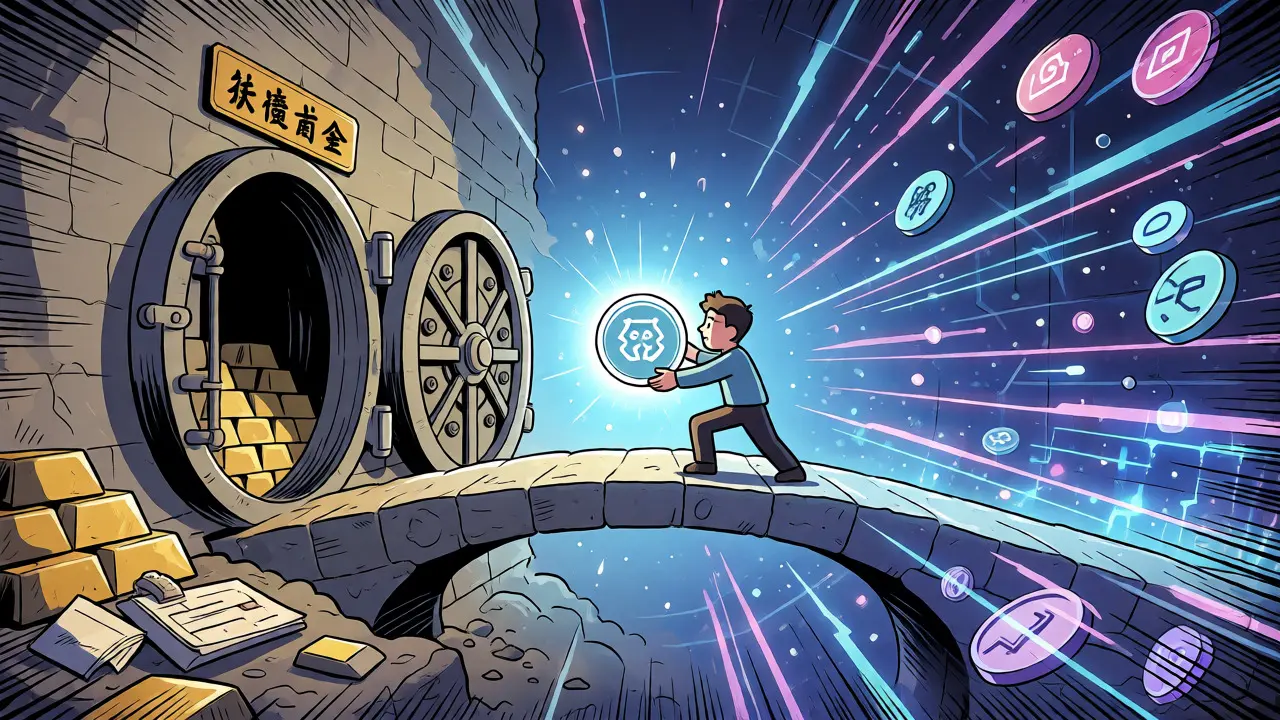
You’ve probably heard the hype about asset tokenization. It’s supposed to be the bridge between traditional finance and blockchain. But while giants like BlackRock are dipping their toes in, smaller players are fighting for survival in the trenches. Enter Emirex Token (EMRX), a utility token that promises to power a niche ecosystem for trading tokenized real-world assets. If you’re wondering what this coin actually does, why its price has plummeted over 90% from its highs, and whether it’s worth your attention in late 2026, you’re in the right place. We aren’t here to sell you on moonshots; we’re here to look at the cold, hard data behind EMRX.
Key Takeaways
- Utility First: EMRX is not just a speculative asset; it’s the fuel for the Emirex platform, offering fee discounts and governance rights.
- Ethereum Native: As an ERC-20 token, it relies on Ethereum infrastructure, meaning gas fees and network congestion directly impact user experience.
- Liquidity Warning: Trading volume is extremely low (<$50k daily), making large buys or sells difficult without moving the price.
- Niche Market: Emirex targets specific asset classes like bonds and shares, competing with larger platforms like Securitize rather than general exchanges like Binance.
- Risk Profile: With only ~5% of total supply circulating and limited exchange listings, EMRX carries high volatility and ecosystem dependency risks.
Decoding the Emirex Ecosystem
At its core, Emirex Group is a blockchain infrastructure provider focused on tokenizing tangible and intangible assets. Think of it as a specialized marketplace where you can buy fractional ownership in things that usually require huge capital-like commercial real estate, government bonds, or even art. The Emirex Token (EMRX) is the glue holding this system together. Launched in 2019, it was designed to facilitate transactions within this closed loop.
Why do they need a token? Instead of paying fees in fiat currency or volatile stablecoins, users pay in EMRX. This creates demand for the token every time someone trades on the platform. It’s a classic utility model, similar to how BNB works on Binance but on a much smaller scale. The platform allows businesses to convert traditional financial instruments into digital tokens, enabling peer-to-peer trading without the friction of traditional banking rails. For the average investor, this means EMRX isn’t meant to replace Bitcoin; it’s meant to be used on the Emirex exchange.
Tokenomics: Scarcity vs. Reality
When you look at the numbers, EMRX presents a confusing picture. On paper, it looks deflationary and scarce. In practice, the market cap tells a different story.
| Metric | Value | Implication |
|---|---|---|
| Circulating Supply | ~27.2 Million | Only ~5.4% of total supply is active in the market. |
| Total Max Supply | 500 Million | Hard cap set; no new tokens will ever be minted. |
| Current Price | $0.235 USD | Down ~90% from All-Time High ($2.39). |
| Market Cap | $6.4 Million | Micro-cap status; highly susceptible to manipulation. |
| Fully Diluted Valuation | $117.4 Million | Theoretical value if all tokens were released today. |
Notice the gap between circulating supply and total supply. Most EMRX tokens are locked up or held by long-term investors. According to Etherscan data, nearly 99% of the circulating supply is held by wallets that haven’t moved recently. This suggests strong holder conviction-or simply illiquidity. Because so few tokens are actively traded, a small buy order can spike the price, and a small sell order can crash it. This is the double-edged sword of micro-cap cryptocurrencies.

Utility: What Can You Actually Do With EMRX?
Owning EMRX isn’t just about hoping the chart goes up. It grants you specific privileges within the Emirex environment. Here is the breakdown of actual use cases:
- Fee Discounts: Active traders can save up to 25% on transaction fees by using EMRX instead of other currencies. For high-frequency traders, this ROI alone might justify holding some tokens.
- Governance Rights: Holders get a say in platform upgrades and new asset listings. While the voting power is weighted by holdings, it adds a layer of community control absent in centralized exchanges.
- Access to Offerings: Early access to initial exchange offerings (IEOs) often requires holding or staking EMRX. This gives holders a first-mover advantage on new tokenized assets.
However, context matters. These utilities only have value if people use the Emirex platform. Unlike Ethereum, which powers thousands of apps, EMRX is tied to one ecosystem. If Emirex fails to attract more users, the utility-and thus the demand for the token-stagnates.
The Competition: Where Does EMRX Fit?
To understand EMRX’s risk, you have to look at who else is playing in the Real World Asset (RWA) space. The sector is growing, projected to hit billions in valuation by 2030, but Emirex is a tiny fish in a big pond.
| Platform | Primary Focus | Market Share (Est.) | Token Type |
|---|---|---|---|
| Securitize | Institutional Compliance | ~32% | Private/Partnerships |
| TokenSoft | Regulatory Solutions | ~25% | B2B Services |
| Emirex (EMRX) | P2P Retail Trading | <0.1% | Public Utility Token |
Competitors like Securitize dominate because they partner with major banks and handle complex regulatory compliance. Emirex targets retail users who want easier access to tokenized assets. This niche strategy avoids direct competition with institutional giants but limits growth potential. The lack of integration with major DeFi protocols also isolates EMRX from the broader liquidity pools that drive other altcoins.
Investment Risks and Red Flags
If you’re considering buying EMRX, you need to be aware of the serious downsides. This isn’t a "set it and forget it" investment.
Liquidity is the biggest killer. Daily trading volumes hover around $40,000 to $50,000 across all exchanges combined. Try selling $10,000 worth of EMRX, and you might spend days filling orders at worse prices. Reddit users frequently complain about slippage and thin order books. One user reported taking three days to offload 5,000 tokens without crashing the local price.
Exchange Availability. EMRX is listed on only three major venues: Bitget, CoinTiger, and Hotbit. It’s missing from Coinbase, Kraken, and Binance. This limits exit strategies. If those three exchanges delist the token, liquidity evaporates overnight.
Regulatory Uncertainty. The SEC has been cracking down on unregistered securities. Since EMRX facilitates the trade of tokenized stocks and bonds, regulators could classify it differently than a simple payment token. While Emirex hasn’t faced direct enforcement actions yet, the shadow of regulation hangs over the entire RWA sector.
Future Roadmap: Can EMRX Survive?
Despite the gloomy stats, Emirex isn’t dead. They are actively trying to pivot. In late 2025, they announced a partnership with Tradewill AG, a Swiss firm, to expand into European markets. Switzerland is known for its crypto-friendly laws, so this could provide a regulatory safe harbor and boost credibility.
Technically, they plan to migrate to a multi-chain architecture by mid-2026. Moving away from Ethereum-only deployment would reduce gas fees, making small trades more viable for retail users. If executed well, this could lower the barrier to entry and increase transaction volume. However, migrations are risky and often lead to temporary technical issues.
Analysts remain skeptical. Delphi Digital notes that single-platform tokens face a 78% higher failure rate than multi-platform ones. For EMRX to succeed, it needs more than just tech updates; it needs massive user adoption. Until then, it remains a speculative play on the growth of retail asset tokenization.
Is Emirex Token (EMRX) a good investment for beginners?
Generally, no. EMRX is a micro-cap cryptocurrency with very low liquidity and high volatility. Beginners should typically start with established assets like Bitcoin or Ethereum. EMRX is better suited for experienced traders who understand the risks of low-volume tokens and are specifically interested in the Emirex platform's services.
Where can I buy Emirex Token (EMRX)?
As of late 2026, EMRX is primarily available on Bitget, CoinTiger, and Hotbit. It is not listed on major US-centric exchanges like Coinbase or Kraken. Always verify the contract address on Etherscan before purchasing to avoid scams.
What makes EMRX different from other utility tokens?
Unlike general-purpose utility tokens, EMRX is strictly tied to the Emirex ecosystem's asset tokenization platform. Its primary value comes from fee discounts and governance within that specific marketplace, rather than broad interoperability across multiple blockchains or applications.
Why did EMRX price drop so much from its all-time high?
The 90% decline is largely due to the broader crypto bear market following the 2021 peak, combined with low adoption rates for the Emirex platform itself. Additionally, the token's limited liquidity means it suffered disproportionately during market downturns compared to more liquid assets.
Does holding EMRX give me dividends?
No, EMRX does not pay traditional dividends. Instead, holders benefit from reduced trading fees (up to 25%) and potential appreciation in token value. Some staking mechanisms may offer yield, but these depend on current platform promotions and smart contract terms.