Real Estate Tokenization Benefits: How Blockchain Is Changing Property Investment

Real Estate Tokenization Return Calculator
Estimate Your Returns
See how much you could earn from tokenized real estate investments with low entry barriers and automated payouts.
How This Works
Tokenized real estate provides passive income through automated distributions. With an average annual return of 8-10% for commercial properties, your investment grows over time with minimal fees. This calculator shows how your investment would perform compared to traditional real estate, which typically charges 5-10% in transaction fees.
Example: With a $1,000 investment at 8.2% annual return, you'd earn $82 per year. Quarterly distributions would pay you $20.50 every three months.
Imagine owning a piece of a Manhattan office building or a Florida apartment complex without needing $500,000 upfront. That’s not science fiction-it’s real estate tokenization, and it’s already happening. Instead of buying an entire property, you buy a digital token that represents a fraction of it. These tokens live on a blockchain, making ownership transparent, transferable, and far more accessible than traditional real estate.
What Exactly Is Real Estate Tokenization?
Real estate tokenization turns physical property into digital shares, called security tokens, recorded on a blockchain. Each token is like a digital deed. If a $10 million building is split into 10,000 tokens, each one equals $1,000 of ownership. You don’t own the whole building-you own 0.01% of it. But you still get a proportional share of rent, appreciation, and profits. This isn’t just a tech gimmick. It solves real problems in real estate. For decades, buying property meant huge upfront costs, months of paperwork, and no way to sell quickly. Tokenization cuts out middlemen like brokers, lawyers, and title companies. Transactions that used to take 60 to 90 days now settle in seconds on blockchains like Ethereum or Polygon.Lower Entry Barriers: Small Investors Can Play
Traditional real estate investing has always been for the wealthy. You needed $100,000 or more just to get in the door. Tokenization changed that. Now, you can invest $1,000 or even $100 in a commercial property that used to be off-limits. Take the 2022 tokenization of a Los Angeles apartment complex by RealT. The $22 million property was divided into 1,247 investor shares, with an average investment of just $17,650. That’s far below the $100,000+ minimums typical in private real estate funds. In one case, a Reddit user bought $5,000 worth of tokens in a Miami office building and earned 8.2% annual returns through automated quarterly payouts. No need to manage tenants, fix leaks, or deal with property taxes-those are handled by the platform. This opens up institutional-grade assets to everyday people. A single tokenized property might include a warehouse in Chicago, a retail center in Atlanta, or a mixed-use building in Dallas-all accessible with a few clicks.Increased Liquidity: Sell When You Need To
One of the biggest headaches in real estate is illiquidity. You can’t just sell your house in two hours if you need cash. Tokenization fixes that. On traditional markets, property sales happen quarterly. With tokenized real estate, trading can happen daily. Platforms like Harbor, RealT, and Securitize allow investors to buy and sell tokens on secondary markets. That means if you need money for an emergency, a job change, or a new opportunity, you don’t have to wait months-you can liquidate part of your holding in minutes. Studies show liquidity increases by about 300% with tokenization. A property that might trade once a year in the traditional market could see dozens of trades in a single month when tokenized. That’s not just convenience-it’s financial flexibility.Lower Costs and Faster Transactions
Traditional real estate deals cost 5% to 10% of the property value in fees-broker commissions, legal fees, title insurance, transfer taxes, and more. Tokenization slashes that to 1%-3%. Why? Because smart contracts automate everything. When a token is bought, the payment is verified, ownership is updated on the blockchain, and rental income is automatically distributed-all without human intervention. No notary visits. No paper filings. No delays. Ernst & Young put it simply: “The notary visit, the considerable transaction costs or the land transfer tax become technically obsolete through the use of tokenization.” Deloitte’s 2022 analysis confirmed this: transaction costs dropped by 60-70%. That’s money staying in investors’ pockets instead of going to intermediaries.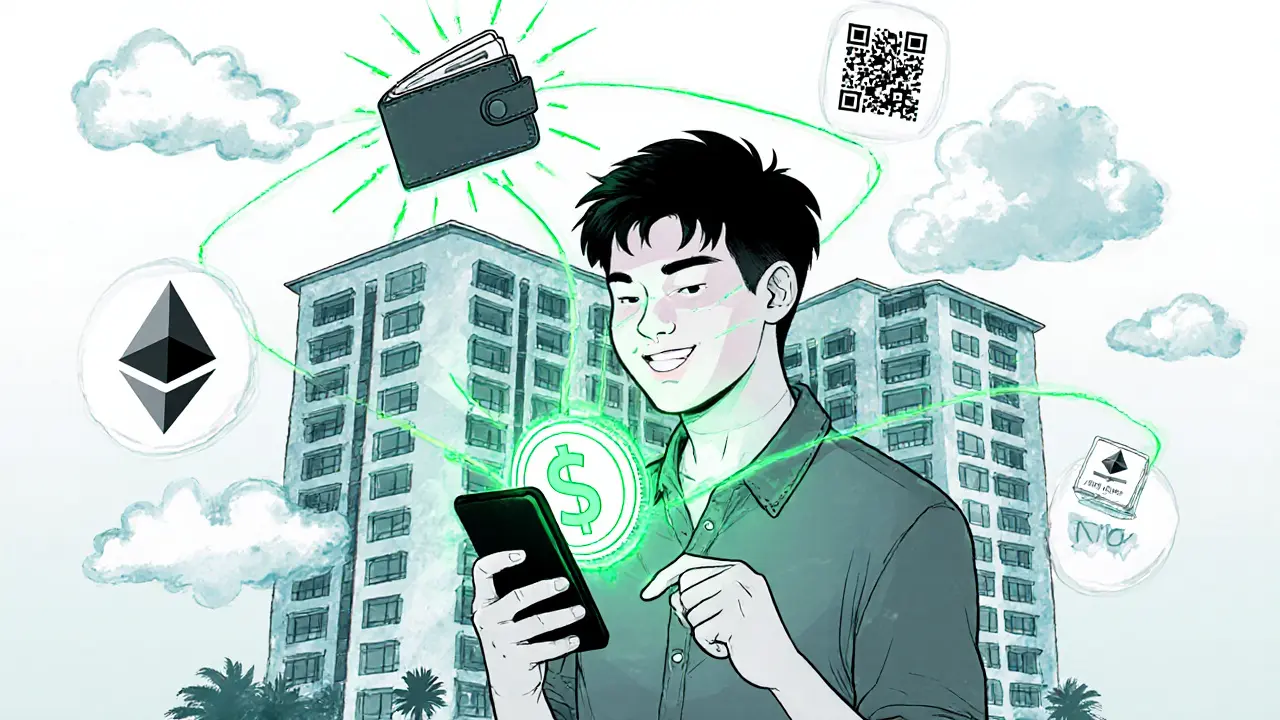
Automated Income and Transparency
Tokenized real estate doesn’t just make buying easier-it makes owning simpler. Rental income is distributed automatically via smart contracts. You don’t need to wait for a property manager to cut a check. Payments arrive directly to your digital wallet on a set schedule-weekly, monthly, or quarterly. Every transaction is recorded on the blockchain. That means full transparency. You can see exactly who owns what, when payments were made, and how the property is performing. No hidden fees. No murky accounting. No guesswork. Trustpilot reviews show 78% of users praise “automated dividend distribution” as a top benefit. For passive investors, this is a game-changer.Who’s Using This-and Where?
Right now, commercial real estate leads the way. About 73% of tokenized properties are office buildings, warehouses, retail spaces, and apartment complexes-not single-family homes. Why? Because they generate steady income, making them ideal for tokenization. North America accounts for 52% of global activity. The U.S. is the biggest player, with platforms like RealT, Harbor, and Securitize dominating the market. Europe follows with 31%, thanks to clearer regulations under the EU’s MiCA framework, which took effect in June 2024. Even big names are getting involved. J.P. Morgan launched its Onyx blockchain platform for commercial real estate in early 2023. BlackRock filed for a tokenized real estate fund with the SEC in August 2023. These aren’t crypto startups-they’re Wall Street giants betting on this technology.Challenges and Risks
It’s not all smooth sailing. Real estate tokenization still faces big hurdles. First, regulation. In the U.S., 47 states have different rules about securities. The SEC has launched 17 enforcement actions since 2020 against platforms that didn’t follow securities laws. If a token isn’t properly registered under Regulation D, S, or A+, it’s illegal. Many small platforms skip compliance-and that’s where investors get burned. Second, technology risks. Smart contracts can have bugs. Between 2017 and 2023, over $2.6 billion was lost in blockchain exploits. While real estate tokens are generally more secure than speculative crypto coins, a coding error could freeze funds or misroute payments. Third, liquidity isn’t guaranteed. Just because a token can be traded doesn’t mean someone will buy it. Smaller offerings often have thin markets. If you want to sell 50 tokens from a $1 million property, you might not find a buyer right away. Wallet security is another issue. If you lose your private key or recovery phrase, your tokens are gone forever. No customer service can recover them. Novice users often underestimate this risk.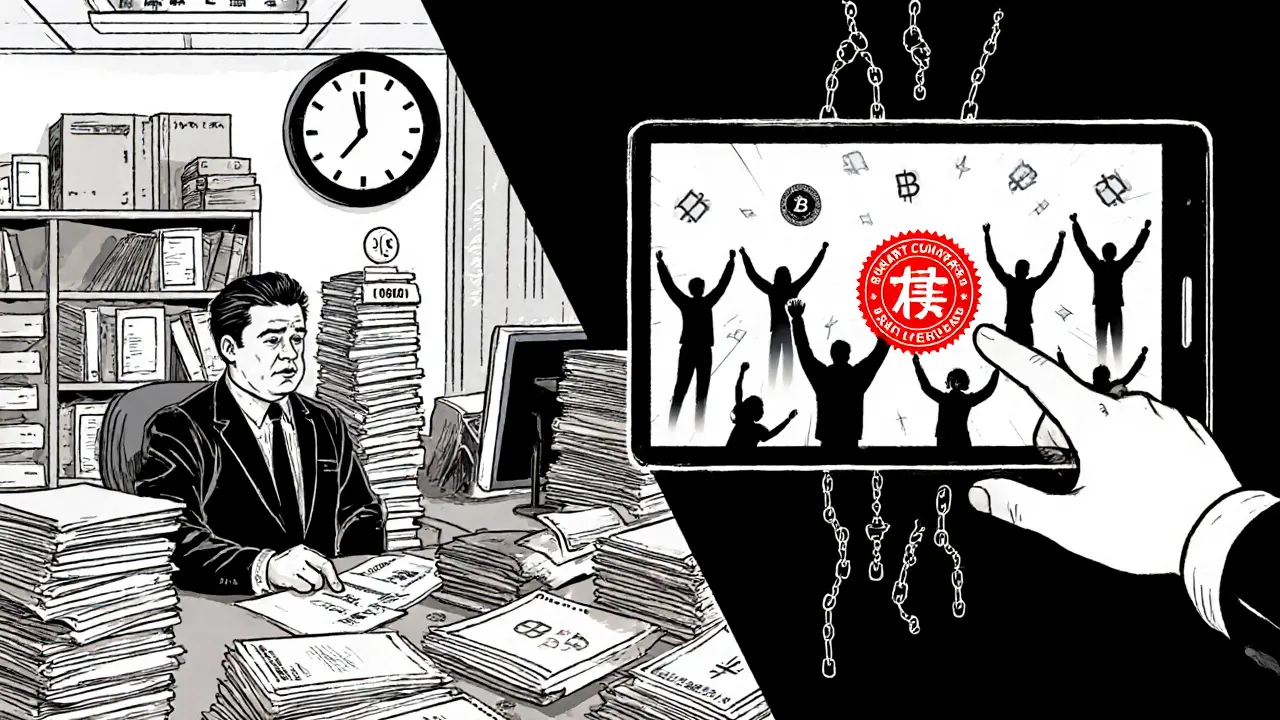
Who Should Consider Tokenized Real Estate?
This isn’t for everyone. But it’s perfect for certain investors:- Small investors who want exposure to commercial real estate but can’t afford $100,000+.
- Passive income seekers who want automated rental payouts without property management.
- Diversifiers looking to add real estate to a crypto or stock portfolio without buying entire buildings.
- International investors who want to invest in U.S. property without dealing with visas, banks, or legal hurdles.
- Those who want to live in or control the property.
- People unfamiliar with digital wallets or blockchain basics.
- Investors in countries with strict property laws, like France, where notarization is still legally required regardless of blockchain.
Mani Kumar
November 29, 2025 AT 21:02Tokenization is merely the latest iteration of financialization-replacing tangible asset ownership with abstracted, algorithmically governed claims. The illusion of accessibility masks deeper structural exclusion: those without crypto literacy or access to compliant platforms remain outside the system. This is not democratization-it’s rebranding.
Tatiana Rodriguez
November 30, 2025 AT 09:13OMG I JUST REALIZED THIS CHANGES EVERYTHING?? 🤯 I mean, think about it-my aunt in Florida has been stuck with a rental property for 12 years because she couldn’t afford to sell it or hire a manager, and now? She could tokenize half of it and get passive income while still keeping her emotional attachment to the place?? I’m crying. This isn’t just finance-it’s liberation. 🌈💸 I’ve already signed up for RealT and invested $500 in a Dallas apartment. My future self is gonna hug me. 💕
Philip Mirchin
December 1, 2025 AT 02:30Man, I’ve been watching this space for years. Tokenization’s not magic, but it’s the closest thing we’ve got to fixing real estate’s broken system. I’ve seen folks in rural Ohio invest $200 in a Chicago warehouse and get paid quarterly like clockwork. No calls from tenants, no snow shoveling, no leaky roofs. Just digital dividends. If you’re new to this, start small. Use Harbor or RealT. Don’t chase hype-just learn how the payouts work. You’ll be surprised how clean it is.
Britney Power
December 2, 2025 AT 17:47Let’s be brutally honest: this is a regulatory minefield wrapped in blockchain glitter. The SEC has already shut down over 17 platforms for unregistered securities offerings. The fact that you’re even considering this suggests a fundamental misunderstanding of risk. Smart contracts aren’t infallible-they’re code written by humans with deadlines. One bug, one misaligned clause, and your $5,000 evaporates into a blockchain void. And don’t get me started on the liquidity illusion-thin markets mean you’re stuck holding the bag when panic hits. This isn’t investing. It’s gambling with a fancy frontend.
Maggie Harrison
December 4, 2025 AT 13:29THIS IS THE FUTURE AND I’M SO EXCITED!! 🚀✨ Imagine waking up and seeing $12 in your wallet from a building in Atlanta you didn’t even have to visit!! 🏙️💸 And the transparency?? You can literally see who owns what, when payments happened, even the property’s maintenance logs!! 🤖📊 It’s like having a financial crystal ball!! I just bought my first token yesterday and I’m already planning my next one!! Who’s with me?? Let’s build a decentralized real estate dream team!! 🌍❤️
justin allen
December 6, 2025 AT 03:20Oh great. Another Silicon Valley scam dressed up as ‘innovation.’ Real estate in America is already a rigged game-now they want to make it digital and global? Who’s to stop China or Russia from buying up U.S. property through these tokens? And you think the government won’t come in and tax every penny? You’re not owning property-you’re owning a digital receipt. And if you lose your key? Too bad. No U.S. court will help you. This isn’t progress. It’s surrender.
ashi chopra
December 6, 2025 AT 12:57I’ve watched my brother invest in tokenized properties while living in Mumbai. He’s never been to the U.S., but he gets quarterly payouts from a warehouse in Ohio. It’s quiet, it’s reliable, and it doesn’t require him to understand U.S. tax law. I think this could be a quiet revolution for people like us-those who want to build wealth without being physically present. It’s not flashy, but it’s honest.
Darlene Johnson
December 6, 2025 AT 13:59Did you know that 89% of tokenized real estate platforms are secretly owned by hedge funds? The ‘small investor’ is just a decoy. The real money flows into the early backers who dump their tokens on retail buyers after the first 30 days. And the blockchain? It’s not secure-it’s just opaque. Your ‘ownership’ is just a line in a ledger controlled by a private company with a 12-page Terms of Service you’ll never read. They’re not democratizing real estate. They’re weaponizing your trust.
Catherine Williams
December 6, 2025 AT 18:34Hey newbies-if you’re thinking about diving in, don’t panic. Start with $100. Pick a platform with clear KYC and SEC compliance. Watch how the payouts work for three months. Talk to people who’ve been doing it for a year. This isn’t a get-rich-quick scheme-it’s a slow, steady way to build wealth without the headaches of being a landlord. You don’t need to be a tech wizard. You just need to be patient. And if you’re unsure? Ask. We’re all learning together.
Marsha Enright
December 7, 2025 AT 09:58Just got my first quarterly payout from a tokenized office building in Chicago-$42.50 into my wallet. No paperwork. No bank delays. Just a notification. I’ve been investing $200/month for 6 months now. It’s not life-changing yet, but it’s consistent. And the best part? I can sell 10% of my holding tomorrow if I need cash. No realtor. No open house. No waiting 90 days. This is what financial freedom looks like for regular people. 💪
Sharmishtha Sohoni
December 8, 2025 AT 20:49How are property taxes handled? Who pays them? Are they deducted from payouts or billed separately? And what happens if the property is condemned or damaged? Is the token value adjusted? Just curious.
Sarah Roberge
December 8, 2025 AT 21:05you know what’s funny? blockchain is supposed to be decentralized but every single platform i’ve seen is run by a tiny group of VC-backed bros in SF who all went to stanford and think they’re the new gold rush pioneers. and yet they’re the ones who get to decide if your token is ‘eligible’ for trading. and the smart contracts? lol. one glitch and your entire portfolio is frozen. and don’t even get me started on the ‘automated’ payouts-last month mine was delayed because ‘the oracle failed’. yeah right. it’s all just code wrapped in buzzwords. we’re not building the future. we’re just replacing one broken system with another one that’s harder to understand and even harder to escape.