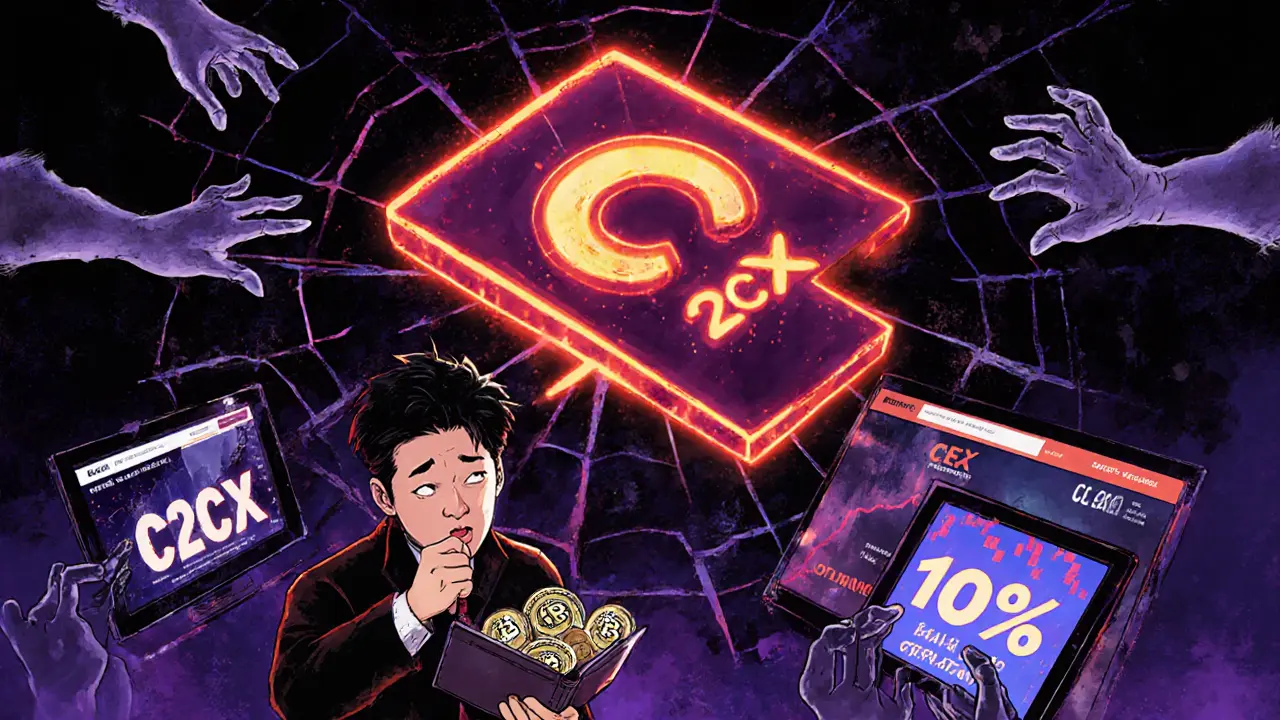
C2CX Crypto Exchange Review: What You Need to Know Before Trading
C2CX crypto exchange doesn't exist - it's a scam. Learn how fake exchanges trick users, what real platforms look like, and how to protect your funds from crypto fraud.
When you look at crypto archives, a curated collection of real-world crypto analysis published over time. Also known as crypto content history, it helps you spot trends, avoid traps, and understand what actually mattered in a given month. November 2025’s archive isn’t just a list of posts—it’s a snapshot of crypto’s wild duality: on one side, serious innovation in property and payments; on the other, a flood of meme coins with no future and fake exchanges designed to steal your money.
Crypto scams, fraudulent platforms pretending to be legitimate exchanges. Also known as fake crypto platforms, it dominated this month’s headlines. Posts on C2CX and Lucent exposed how these sites copy real UIs, promise fast profits, then vanish with deposits. Meanwhile, real estate tokenization, using blockchain to split property ownership into tradable digital shares. Also known as fractional property investment, it showed real progress—smart contracts cutting closing times, lowering entry costs, and letting global investors buy into Miami condos or Berlin offices without lawyers or big bank fees. These aren’t theory pieces. They’re reports from people using it now.
Then there’s the meme coin chaos. Tokens like Pengycoin, FRED, Hachiko, and Vortex aren’t investments—they’re social experiments, sometimes with rap albums or AI-generated dogs, built on Solana and Base. Most have zero team, no utility, and market caps under $100K. Yet people still buy them, chasing the next Dogecoin. This archive doesn’t sugarcoat it: these are high-risk gambles, not assets. And if you’re looking for real value, you’ll find it in posts about blockchain remittances, using crypto and stablecoins to send money across borders cheaply and fast. Also known as crypto-based cross-border payments, it—where fees dropped from 6% to under 1%, helping millions in Vietnam and Myanmar bypass broken banking systems.
This collection gives you the full picture: how North Korea uses mixers to launder $3 billion, why Mexico’s FinTech Law blocks banks but not users, and how DAO voting models actually work in practice. You’ll see why Stader ETHx is a smart tool for stakers, why wrapped tokens like WBTC carry hidden risks, and how DCA beats lump sum in volatile markets. There’s no fluff. No hype. Just clear breakdowns of what’s working, what’s broken, and what to avoid.
If you want to know which crypto projects are real, which exchanges to trust, and how to spot a scam before you lose money—this archive has the answers. Below are the posts that made November 2025 matter.
C2CX crypto exchange doesn't exist - it's a scam. Learn how fake exchanges trick users, what real platforms look like, and how to protect your funds from crypto fraud.
Real estate tokenization lets investors own fractions of properties via blockchain, lowering entry costs, increasing liquidity, and automating income. Discover how it's changing property investment today.

Cryptocurrency and stablecoins are cutting remittance costs from over 6% to under 1%. Learn how blockchain is changing cross-border payments, where it works, and why regulators are still catching up.
Vietnam ranks #6 in global crypto adoption despite strict laws banning stablecoins and requiring massive capital to operate legally. Millions use crypto anyway-for remittances, e-commerce, and savings-bypassing the system entirely.

DAO governance tokens let holders vote on decentralized organization decisions. Learn how token-based, reputation, and hybrid voting models work, their real-world use cases, and how to participate without getting locked out by high fees or complexity.

BAG is a metaverse gaming token launched in 2024 with an 8 billion supply cap, but it struggles with low liquidity, fragmented pricing across blockchains, and declining user adoption. Learn why most experts consider it a high-risk asset.

Learn how to qualify for the DeHero HEROES campaign airdrop in 2025, what actions earn you tokens, how to avoid scams, and when you'll receive your $HEROES tokens.
BloctoSwap is a cross-chain decentralized exchange built into the Blocto wallet, letting users swap tokens across Ethereum, Solana, BSC, and more without needing separate wallets or gas tokens. Simple, secure, and ideal for beginners.
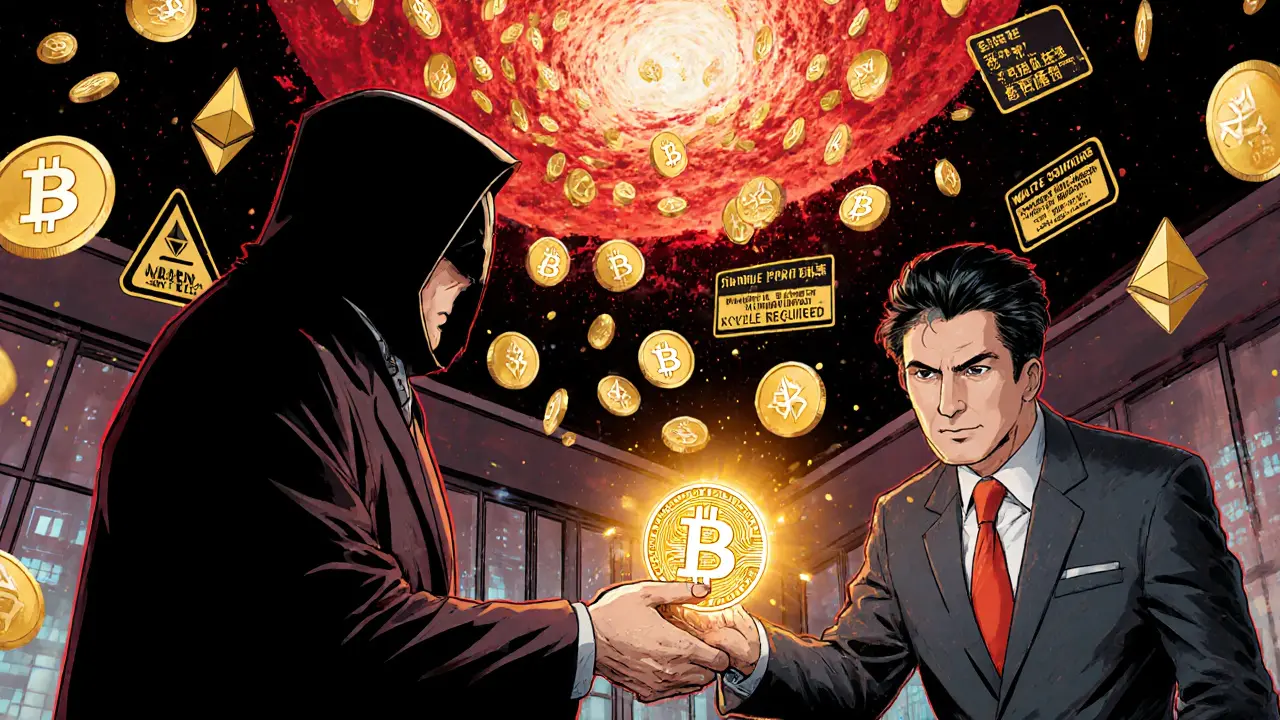
Wrapped tokens like WBTC let Bitcoin enter DeFi, but they rely on centralized custodians that can freeze, lose, or steal your assets. Understand the risks before using them.

Learn how to qualify for the NFTLaunch (NFTL) IDO airdrop in 2025, earn your NFTLaunch Pass NFT, and secure your token allocation. Avoid scams and maximize your rewards with verified steps.
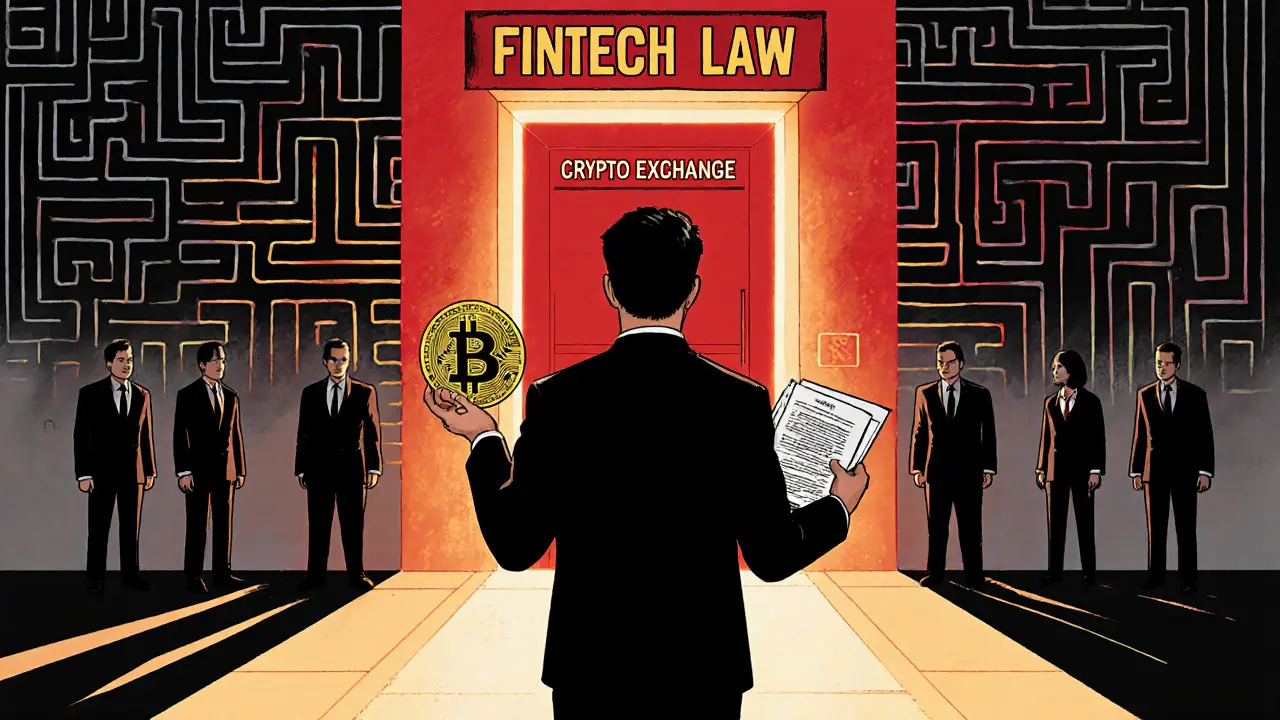
Mexico's FinTech Law lets individuals use crypto but blocks banks from offering it. Startups struggle with compliance costs, and cross-border crypto remains restricted. Here's what's legal, what's not, and what's coming in 2025.

Pengycoin (PENGY) is a Solana-based meme coin that doubles as a browser-based operating system with apps, games, AI, and even a rap album. It's not a traditional investment - it's a quirky, community-driven experiment in crypto culture.